At 6 p.m. on the 13th, HYNN will release a new mini album called Summer Texture.
The standout detail is that both title tracks are ballads, a choice that leans into summer feeling in an unexpected way.
When music follows the season, listeners often follow it too.
This album feels like an attempt to translate summer into sound.
A mini album can be brief, but it can still leave a sharp impression.
HYNN's voice fits the lyricism of ballads especially well.
So Summer Texture is more than a new release; it is an emotional proposal.
It shows how pop music can hold on to a season and turn it into mood.
Turning summer into song
HYNN's new mini album, Summer Texture, arrives with two things that matter right away: a release time and a clear mood.
Dropping at 6 p.m. on the 13th, it is set to meet listeners right in the heart of summer, not at the edge of it.
According to Yonhap News, the album comes through New Order Entertainment, and the fact that it is built around double title tracks says a lot about its direction.
Even in an age of quick clicks and faster skips, music still knows how to use a season to reach people.
The title itself is telling.
Summer is bright, hot, and immediate.
Texture means something softer, finer, almost something you feel with your fingertips.
Put them together and the result is not just a sunny image.
It suggests a deeper layer of feeling, the kind that lives under the surface of a season.

Ballads have always worked well with the seasons.
Spring brings the thrill of beginning, autumn brings wistfulness, and winter often leans into stillness.
Summer, on the other hand, is usually linked to upbeat rhythms and bright hooks.
That is exactly why a summer ballad can feel so striking.
When the world outside is loud and hot, the emotions inside can become even easier to hear.
Why ballads in summer?
Feelings do not follow the calendar
Short answer: they do not.
When people think of summer music, they usually imagine cheerful beats, cool choruses, and vacation songs.
However, that formula only covers one side of the season.
Loss, longing, patience, and healing do not disappear just because the weather changes.
A ballad released in summer is not a strange move at all.
It can be the most direct way to face the season's hidden side.
From a supportive angle, Summer Texture uses seasonal music in a smart way.
The title sets the tone before the first note even plays.
The phrase double title tracks tells listeners to expect a focused emotional message.
In a crowded release landscape, that kind of clear identity matters.
For a singer like HYNN, whose strength lies in tone, breath, and emotional control, ballads give the voice room to do the heavy lifting.
Meanwhile, seasonality can also lower the barrier for listeners.
People often remember the songs that match the time of year they heard them first.
A slow song on a hot summer night can cling to memory in a way a louder track sometimes cannot.
The heat outside makes the quiet inside feel even more vivid.
That is one reason seasonal albums can become emotional time capsules, not just playlists.
There is also a practical side.
A mini album is compact, which makes it easier to create one strong listening arc.
With two title tracks, the album can present its core idea from two angles without spreading itself too thin.
For fans, that can mean more room for interpretation.
For casual listeners, it can mean a smoother entry point.
In that sense, this release is not only about mood. It is also about structure.
HYNN has already built a reputation as a vocalist first.
That matters, because audiences tend to trust artists whose identity feels consistent.
When a new release extends that identity rather than replacing it, the result can feel both familiar and fresh.
Summer Texture seems to aim for exactly that balance.
It does not chase reinvention for its own sake. Instead, it adds a seasonal layer to an already recognizable sound.
The limits of seasonal branding
However, there is another side to this choice.
For critics, a strong seasonal concept can sometimes overshadow the songs themselves.
The word summer is vivid, but it also locks in expectations.
Many listeners assume a summer album should feel light, fast, and breezy.
When the lead idea is a ballad, some may feel a disconnect before they have even heard the full record.
The clearer the season, the stronger the risk of mismatch.
There is also the danger that an album becomes a mood package instead of a musical statement.
In pop culture, titles and release timing often get attention before the songs do.
If that happens here, Summer Texture could be seen as seasonal branding rather than a deeper artistic move.
Then the music would have to work harder to prove that it has substance beyond the concept.
Mini albums carry their own limits as well.
The format is focused, but it can also feel brief.
Compared with a full-length album, there is less space for narrative growth and musical variety.
That means the songs have to do more in less time.
For a ballad project, that can be a strength or a weakness depending on how much movement the tracks offer.
Summer ballads also face a quiet challenge in the marketplace.
They do not usually shout for attention with huge drops or dance-ready hooks.
Instead, they depend on vocal performance and emotional detail.
That can be powerful, but it also raises the bar.
Without strong writing and careful arrangement, the songs can fade into the background.
So the concern is not that ballads do not belong in summer.
The concern is whether the seasonal frame might get ahead of the music itself.
If the concept is stronger than the songs, the album may feel stylish but forgettable.
If the songs are strong enough to stand on their own, the season becomes a bonus rather than a crutch.
Why listeners remember mood first
Clearer still: memory works through atmosphere.
People often remember where they were when they heard a song, not just what the song sounded like.
A specific afternoon, a car ride, a humid night, a room with the fan on.
That is why seasonal albums matter so much.
They are not only collections of tracks.
They are ways of attaching music to a moment in time.
Summer is especially good at holding contradiction.
It is energetic, but it can also be exhausting.
It is bright, but it can also feel lonely.
It is full of motion, but it can also make people want to slow down.
Ballads can step into that space and ask quiet questions: What are you carrying right now? What are you waiting for? What do you need to hear?
Those questions do not have to be religious to feel deep.
They are simply human.
Music has a way of helping people sit with their feelings instead of running past them.
That may be the real value of a project like this.
It takes the speed of the season and replaces it with reflection.
In the end, the album's center is not just summer as a season.
It is summer as a passing emotional state.
A double-title ballad album can show that state from more than one angle.
Summer Texture is really a proposal for how to hear the season.
That is why releases like this are interesting.
They sit between strategy and sincerity.
HYNN's new mini album likely depends on both.
Listeners will notice the timing, the title, and the format, but they will stay for the feeling inside the songs.
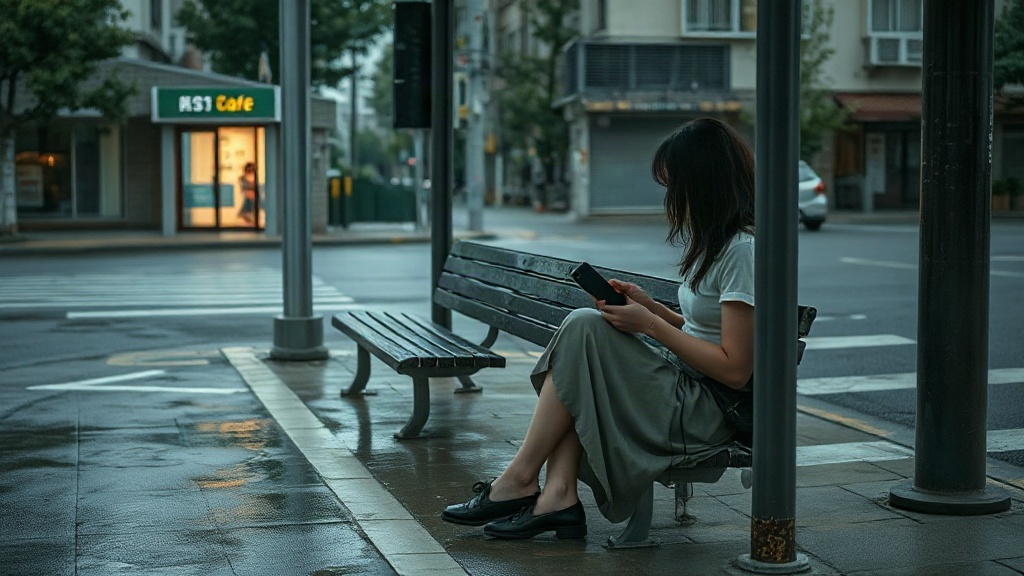
Summer Texture is not just a product announcement.
It asks what happens when a ballad meets the hottest part of the year.
It also asks how a single season can become a memory that keeps replaying long after the weather changes.
If the answer lands, the album will outlast its release date.
What stays after the season
Put simply, HYNN's Summer Texture is a mini album that reimagines summer through ballads.
The release timing, the double title tracks, and the seasonal title all point in the same direction.
Supporters will see a carefully focused project that highlights vocal strength and emotional clarity.
Cautious listeners may worry that the seasonal concept could overshadow the music.
In the end, the real test is simple: do the songs stay with you after the season moves on?
This kind of release also reminds us why pop music leans on the calendar so often.
People want songs that match the weather, the light, and the mood they are living in.
But the best songs do more than match a season.
They give that season a memory.
They slow it down, hold it still, and let it speak.
Summer Texture feels less like music made to consume summer and more like music made to remember it.
If that is true, then this album has a reason to return, even after August fades into fall.
Do you prefer songs that fit summer perfectly, or songs that feel beautifully out of place?
