KBS and JTBC both landed at 3.4% for the 2026 World Cup final.
Spain lifted the trophy, and the ratings ended in a tie.
Same match, different channels, same number.
That result says broadcast competition is never just a win-or-lose game.
In the end, viewers choose not only a telecast, but the moment their era wants to share.
The World Cup final is bigger than any single number.
In the 2026 FIFA World Cup final in North America, Spain won the title, while KBS and JTBC each posted a 3.4% rating for their broadcasts.
For the networks, it was a draw. For viewers, it was a more layered decision shaped by habit, access, and taste.
This is not just a sports note.
It reflects media competition, how people consume content, public attention, and the way a community experiences one shared moment.
The final stage always concentrates attention, and those shifting eyes are what ratings try to capture.
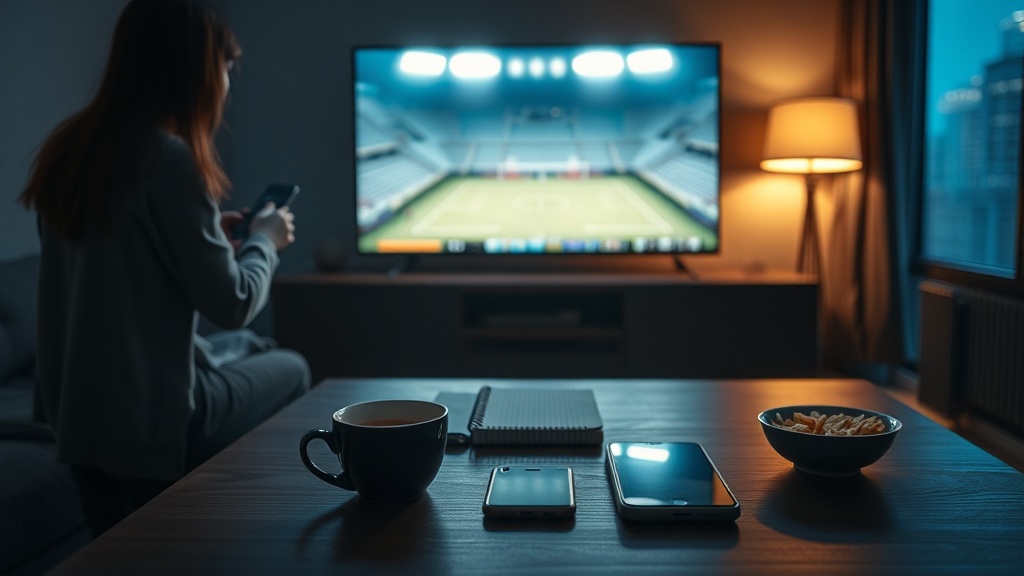
What does a 3.4% tie really mean?
The number itself is calm.
But behind it is a hard fight for viewers, attention, and trust.
When KBS and JTBC both post 3.4%, the real question is less about who won and more about why the numbers matched.
The World Cup final is the kind of event that naturally pulls ratings toward one place.
Some viewers turn to the familiar reach of a major network. Others prefer a channel's commentary style or production feel.
Meanwhile, many people now follow the game through mobile apps and online clips.
In that environment, a tie does not mean the channels became identical. It means audiences are more spread out than before.
For broadcasters, ratings are a scorecard.
They affect advertising, scheduling, brand trust, and even future rights talks.
Still, a shared number tells another story as well.
People were choosing the match, not just the network logo.
Choice is often habit
Familiarity matters first.
Viewers do not always make media choices through careful logic.
Old channel habits, family routines, and the sound of a trusted announcer all play a part.
That is especially true in a short, high-pressure event like the World Cup final, where people want to settle in fast and stay focused.
In the U.S., the closest parallel is how many people still choose a network they know for a major event, even when streaming is available.
KBS, Korea's public broadcaster, has long had the advantage of broad reach and easy access.
JTBC, a major cable and general programming network, brings a more distinct tone and style to its coverage.
The difference is not only technical. It is also about how audiences want to experience the game.
A draw is not a failure
Equal numbers still matter.
A ratings tie should not be read as disappointment.
On the contrary, in a huge event like this, two broadcasters drawing the same level of attention suggests that both found a working formula.
Neither side overwhelmed the other, which shows how balanced the competition had become.
That balance pushes broadcasters to think harder.
Getting the rights to a famous match is not enough by itself.
Live stability, commentary depth, camera work, emergency response, and overall polish all matter.
In that sense, a ratings tie is less about who shouted louder and more about who stayed memorable longer.
The result may be the same, but the path is never the same.
That idea reaches far beyond sports broadcasting.
In a crowded media world, long-term trust can matter more than a one-night spike.
What broadcasters have to read first
Performance matters.
For a network, ratings are a blunt but useful report card.
Major sports events cost a great deal to produce, so the numbers cannot be ignored.
The World Cup final is especially valuable because it brings strong ad potential and heavy brand exposure, making 3.4% far from a small figure.
From that angle, the tie may actually look healthy for both sides.
Each network's format and credibility drew similar response from viewers.
And viewers are not only watching the game. They are also judging how the game is delivered.
That means broadcasters compete on commentary, graphics, subtitles, field coverage, and ease of access, not just on the contract itself.
This kind of rivalry can raise the bar.
When two outlets face the same challenge, they often work harder on accuracy, stability, and presentation.
Yes, ratings battles can get excessive. However, healthy competition can also push sports coverage toward a higher standard.
Broadcasters need numbers, but they cannot live by numbers alone.
What viewers see is bigger than one stat
The number is not the whole story.
For viewers, the real question is not which broadcaster won, but which one felt easier, clearer, and more trustworthy.
Some want sharp play-by-play analysis. Others prefer a cleaner screen with fewer distractions.
Some watch with family on a living room TV. Others care more about on-the-go access and replays.
Seen this way, a 3.4% rating is only a single snapshot.
It cannot fully capture satisfaction, repeat viewing, or how well the coverage explained the moment.
The World Cup is not just entertainment. It is a shared social event, and people care about the feeling that they are part of the same scene at the same time.
That feeling lasts much longer than the rating sheet.
Viewers also move across platforms now.
They watch live feeds, short clips, highlight reels, and real-time reactions all at once.
So if a broadcaster wants to measure success, it has to look beyond ratings and include reach, accessibility, and replay value.
Media habits are fragmenting, but attention still gathers around the same core moments.
What the shared moment leaves behind
People watch together.
The World Cup final creates interest that crosses borders.
Football can reshape dinner-table talk, office chatter, and even the way a whole night feels.
In that setting, broadcasters are not just carriers of a signal. They help organize a collective moment.
That is why the KBS-JTBC draw is not the end of competition.
It is proof that public attention can spread across different outlets and still remain strong.
Big sports broadcasts show what a society is ready to focus on, and broadcasters help sharpen that focus.
The better they do that, the longer viewers remember the experience.

In the end, this story is less about who beat whom and more about the structure underneath it.
The rivalry will continue, but viewers are choosing something larger than a single network win.
A tied rating is one small sign of that shift.
If you were choosing a broadcast for the next huge sports night, what would matter most to you?
