QWER will kick off its new tour in Seoul on September 12 and 13.
The show is called Rocket Launch, and the starting point is Korea University Hwajeong Gymnasium.
For fans, news like this does more than mark a date on the calendar.
It signals a new chapter, a new mood, and a new test of what the group can deliver onstage.
In other words, this is not just a routine announcement.
It points to where the group is heading and how it wants to be seen.
For a band, a tour launch is both a celebration and a checkpoint.
It tells audiences that the next stretch of the journey is already in motion.
What does Rocket Launch say about the tour?
The title Rocket Launch carries its own energy.
Even before a single song is played, the name suggests speed, lift-off, and a move into something bigger.
That kind of branding matters in pop music, where a tour is more than a string of concerts.
It is also a story fans can follow.
Good titles help shape that story from the very beginning.
Starting in Seoul makes the opening dates even more important.
In many tours, the first city sets the tone for everything that follows.
If the opening night feels strong, the rest of the tour benefits from that momentum.
If it stumbles, the pressure can build fast.
So the Seoul shows are not just first dates; they are the first signal of how well the tour is being built.
Why fans react so quickly
Fans usually react first, and they react fast.
That is because a tour announcement is not only news. It is a promise of contact.
Music listeners can stream songs anywhere, but a live show offers something different.
It gives them the beat, the crowd, the room, and the shared rush of being there together.
Seoul carries extra weight as an opening city.
It is the most visible stage, the easiest place for media attention to gather, and often the clearest snapshot of public response.
That makes the first stop symbolic.
It is not only about filling seats.
It is about showing the shape of the live experience QWER wants to present.
Meanwhile, the band also gets a chance to show its current strengths.
Live singing, stage control, pacing between songs, and interaction with the audience all become part of the test.
Fans are not just hearing familiar tracks again.
They are watching how the group handles the moment, which can matter just as much as the setlist itself.
The wait begins before the lights go down
The waiting starts early.
People think about tickets, schedules, travel, outfits, and who they want to go with.
That planning turns a concert into part of daily life long before the doors open.
For many fans, that buildup is part of the fun.
The shared wait also strengthens fandom.
People trade excitement online, compare plans, and count down together.
Then the memory continues after the show, through photos, clips, and stories.
In that sense, a tour launch is not just a performance schedule.
It is a community event.
That is why opening night matters so much.
A good first show gives people confidence that the tour will be worth following.
A memorable start can also shape how later stops are received.
In pop culture, momentum travels quickly.
The show begins long before the curtain rises.
That idea may sound simple, but it explains why a tour announcement can feel so emotional.
For fans, the concert starts in the waiting.
The real-world side of live music
However, excitement is only one side of the story.
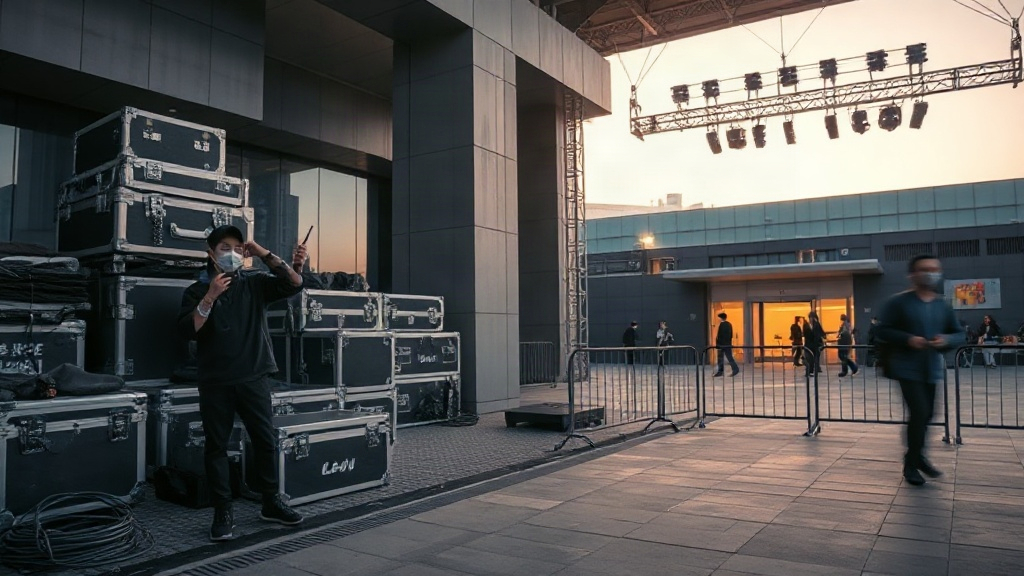
Every concert also depends on practical work behind the scenes.
Ticketing, venue design, sound, security, stage setup, and crowd flow all have to work together.
Especially in a busy city like Seoul, small problems can become big ones very quickly.
From the audience side, the experience is not effortless either.
People have to think about transportation, cost, time off, and whether the trip fits their routine.
Those are real barriers.
Still, many people make the effort because live music offers a kind of satisfaction that a screen cannot fully replace.
On the business side, a tour is also an investment.
It involves ticket sales, promotions, merchandise, and the wider ripple effect around the venue.
But the numbers alone do not tell the whole story.
What matters just as much is whether people leave with a strong feeling that the night was worth it.
That is where live music becomes more than a product.
It becomes an experience built on timing, care, and trust.
When those pieces come together, the audience feels it immediately.
And when they do not, the gap is just as easy to spot.
Why management matters as much as energy
A strong show needs a solid setup.
Concerts may look spontaneous, but they are actually built on scheduling, checks, and coordination.
The audience wants to enter smoothly, find its seat or spot, enjoy the show safely, and leave with the feeling that everything was under control.
On the other hand, big events can also bring fatigue.
Long waits, traffic, and crowd pressure can make even an anticipated night feel tiring.
That is why the live industry has to balance excitement with comfort.
It is a constant tradeoff between scale and ease.
Still, the appeal remains strong.
Streaming is convenient, but it cannot fully copy the sound of a room filled with voices, applause, and motion.
That is the part people keep returning for.
A concert can feel like a break from ordinary life, even if only for a few hours.

Why people still choose the venue
Even now, when so much can be watched online, the live venue keeps its pull.
There is a difference between hearing a song and standing in the same room where it lands.
That difference is hard to define, but easy to feel.
The bass hits differently, the crowd moves together, and the moment becomes shared instead of private.
Pop culture has also changed the way fans connect.
In the past, albums and TV appearances did most of the work.
Now tours and live sets often carry the deepest emotional weight.
They are where the relationship between artist and audience becomes visible.
That is why a tour launch can mean so much, even before the first review appears.
Of course, there is a skeptical view too.
Some people see concerts as a one-night luxury, something that fades as soon as the lights go out.
And in a strict sense, that is true.
The feeling is temporary.
But temporary does not mean meaningless.
For many people, a concert is exactly the kind of break that helps them keep going.
Life is full of pressure: work, school, bills, schedules, and everything in between.
In that kind of world, people look for moments that refresh them.
For some, that is travel.
For others, it is food, books, sports, or music.
A concert can be one of the few places where a person feels fully pulled into the present.
Live music is still a social ritual
People gather for a reason.
They want to hear the same songs at the same time and feel the same surge of energy.
That shared response is part of what makes a concert memorable.
It is not just listening.
It is participation.
There is also a practical argument for digital access.
Livestreams, clips, and social media can bring parts of the show to more people.
That matters.
But it does not fully replace being there.
The emotional density of a live room is still its own thing.
So the new QWER tour announcement carries a clear message.
The band is moving forward, and the audience is being invited to move with it.
The Seoul launch is the first page of that next chapter.
What matters most is the next scene
In the end, Rocket Launch is more than a title.
It is a signal of intention.
QWER will start its new tour in Seoul on September 12 and 13, and that opening stretch will help define how the rest of the run is received.
A strong beginning gives the tour credibility and gives fans something to hold onto.
It also reminds people why live performance still matters.
In an age of fast content and endless scrolling, a concert offers a slower, fuller kind of connection.
The crowd arrives, the lights shift, the band plays, and the room changes shape.
That is the kind of moment fans chase again and again.
So the question is not just whether the tour begins well.
It is whether the first show leaves a mark that lasts.
That is what makes the opening night worth watching.
