Keeping one character alive that long is no small thing.
Toy Story is not just a memory. It is also a record of responsibility.
The power of a franchise we love comes not from repetition, but from trust.
That trust makes us ask how far it can still go.
In a June 2026 interview, Hanks said, in effect, that from the time he worked on Toy Story 1, he wanted to do it again. The comment brought back how long this journey with Woody has been.
It was not just nostalgia.
It captured what keeps an animated franchise alive across generations, and what kind of duty an actor may feel toward a character that people have carried in their hearts for decades.
Toy Story did not end as a one-hit success.
Since it began in 1995, the series has kept refreshing feelings of friendship, loss, growth, and belonging.
Woody has stood at the center with the same face, but his meaning has shifted each time.
That is why watching the films again never feels like revisiting a toy box only. It feels like revisiting the weight of relationships that do not disappear just because time passes.

The point here is not celebrity.
Staying in the same role for years means constantly renewing yourself, separate from fame.
A character that survives for decades has usually become a moral center or emotional anchor in the audience's mind.
Woody is remembered not just as a funny toy, but as someone who finishes the job and stays loyal to the group.
Why long runs matter
Durability is power
Short hits are common.
Long-running works are rare.
Pop culture can vanish as quickly as it trends, but Toy Story has lived in family memory for decades.
That kind of staying power is never an accident.
A franchise that lasts must keep meeting new viewers while also turning familiarity into trust, not boredom.
That is where consistency matters most.
Woody remaining Woody may sound simple, yet that simple core is what holds the whole series together.
Audiences want something new, but they also want the feeling that first made them care to stay intact.
Meanwhile, long franchises become bridges between generations.
Parents watch a film first, then their children watch it later, and the same lines land differently at different ages.
In that way, animation becomes more than entertainment. It carries family memory, emotional safety, and a shared language of growing up.
Toy Story is less like a possession and more like a cultural asset, something that settles into the heart.
The same character must open the door to new feelings.
Protecting Woody, changing Woody
Responsibility is heavy
Responsibility can feel slow.
However, slow does not mean light.
What Hanks described about Woody is bigger than line delivery. It is the sense of a veteran toy who helps hold a community together.
That is part of why Woody is loved as a leader who is not perfect.
Here audiences connect quickly.
Everyone carries something in daily life, at home, at work, in school, or while caring for family.
Some people repeat the same task at a job. Some raise children. Some try to prepare for life after retirement.
Woody's journey gives dignity to those ordinary repetitions.
Playing one character for a long time is not just a job. It is taking responsibility for an ongoing relationship.
That line reaches beyond film.
A beloved character always has to balance change and preservation.
If the character stays fixed, it can feel old. If it changes too much, it loses the charm that made people care.
So Toy Story's staying power is not like a loan payment that ends in one shot.
It is a process of bringing emotion back each time, meeting a new audience where they are, and checking whether old feelings can still live in the present.
That work may not look dramatic, but it keeps culture from falling apart too quickly.
Responsibility is often invisible, yet it holds the center.
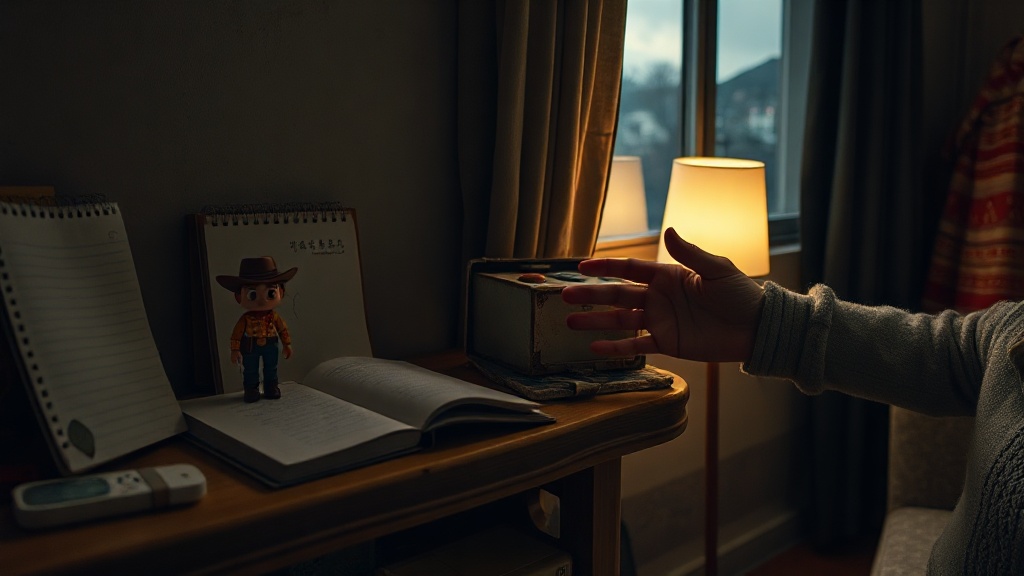
Is a long series a gift or a burden?
The case for it
There is no question that a long-running series has strengths.
First, familiar worlds offer emotional comfort.
Second, a franchise can add new emotional layers as the culture changes.
Third, symbolic characters like Woody create a conversation across age groups.
In that sense, Toy Story is not mere entertainment. It is a cultural network.
Supporters see a long series as a bundle of benefits.
Every new film brings the older ones back into view, and in that process viewers also look back at their own lives.
A child who saw the first film can return as an adult and compare the story's growth with their own.
That kind of experience creates value in the way a good investment does, except the return is emotional rather than financial.
There is also a practical upside.
Studios can work inside a proven world and still improve the quality of each new chapter.
Viewers do not need to learn a brand-new setup from scratch.
Like review and repetition in school, a franchise can deepen memory through return.
The result is not one-time consumption. It becomes part of everyday culture.
Most of all, Toy Story is rare because children and adults can watch it together.
One sees adventure. The other sees loss, time, and the cost of growing up.
That overlap is the real strength of a long franchise.
If one work can hold many layers of meaning, then it becomes more than commercial entertainment. It becomes a generational gift.
From this view, the fact that the series keeps going is not fatigue. It is proof of trust.
As long as Woody returns, audiences can believe that the values they loved have not vanished overnight.
That is one of the ways culture holds onto people.
The case against it
However, long lives are not always a blessing.
Critics of franchise culture often point to fatigue.
The stronger the first movie was, the harsher the comparison becomes for later entries.
Audiences want something fresh, but they also do not want the original feeling to be lost.
That tension can lead to suspicion about commercial pressure.
Is the series continuing because it still has something honest to say, or because the brand is powerful enough to keep stretching the story?
At that point, a franchise can start to look like an investment product, always being extended as long as money keeps flowing.
When that happens, artistic necessity can weaken.
Character growth can also blur the original shape of the hero.
If Woody's sense of responsibility is repeated too often, it can begin to feel like a slogan instead of a lived ethic.
Then the audience is not watching a person change. It is watching a formula return.
This criticism is not empty cynicism. It is a way of protecting creative tension.
Critics also argue that a long-running series can over-manage emotion.
The more often a familiar character is brought back, the less room there may be for truly new storytelling.
Creativity has to live with uncertainty, and if only safe formulas are used, the work can become polished but dull.
Unpredictable feeling often appears only when creators are willing to take a risk.
So the question becomes simple.
Is being loved for a long time the same as being made for a long time?
Does audience affection automatically justify another sequel?
That question is not an attack on Toy Story. It is a warning against the comfort that can weaken even a beloved franchise.
In that sense, the criticism is serious because it cares.
The more people want the original memory protected, the more responsibility the next chapter carries.
A long series is both a blessing and a test.
What remains in the end
Loyalty is remembered
The story of Toy Story and Woody may look like a bright adventure, but at its core it is a story of loyalty.
One actor staying with one character for decades cannot be explained by efficiency alone.
There is time, memory, ethics, and the emotional labor of repeating something that still matters.
That is why the films keep being read again and again.
In everyday life, most of us do not make huge decisions all the time.
Instead, we repeat small acts for years.
Saving money, tracking bills, raising children, scheduling checkups, managing stress - these are not dramatic tasks, but they hold life together.
Woody's responsibility feels similar.
The meaning of a long franchise is here.
It is not just about keeping something old alive.
It is about letting time gather more memory, more viewers, and more layers of meaning.
Toy Story became not just one generation's memory, but a bridge between several generations.
And Tom Hanks's voice has helped keep that bridge open.
In the end, Toy Story leaves Woody as a symbol of responsibility, and Woody shows how a long franchise can survive.
Repetition can feel like a burden, but when it is handled well, it becomes trust.
That trust is what gives culture its continuity, and what lets audiences find their own time inside a story they thought they already knew.
How much do you believe in the moment when an old story suddenly feels new again?
