BTS has returned as a complete seven-member group after more than four years.
A free comeback concert held at Gwanghwamun Plaza in Seoul was streamed worldwide.
The members took the stage after completing mandatory military service (mandatory conscription in South Korea) and released a new studio album, ARIRANG.
This moment carries both cultural pride and economic ripple effects.
A free comeback concert held at Gwanghwamun Plaza in Seoul was streamed worldwide.
The members took the stage after completing mandatory military service (mandatory conscription in South Korea) and released a new studio album, ARIRANG.
This moment carries both cultural pride and economic ripple effects.
Gwanghwamun Becomes a Stage Again — What Their Return Signals
Overview
The core fact is the full-group return.
On March 20, 2026 the group released their fifth studio album, ARIRANG, and on March 21 they staged a free concert at Gwanghwamun Plaza — a historic comeback after every member completed military service.
This comeback functions as more than a music release. It is a cultural symbol.
Meanwhile, the show was streamed to approximately 190 countries through Netflix, showing how Korean pop music operates in a global media environment.
Historical Context
This is a significant turning point.
It is the group's first full studio album in six years and marks a new start for the seven members now reunited after military service.
Since the mid-2010s BTS's journey has combined international success with domestic debate.
However, this return frames a new narrative: one that balances individual growth and public duty.
Stage and Media
Scale and reach matter most.
The Gwanghwamun concert was Netflix's first live-streamed music event and one of the first large live events in South Korea broadcast to the world.
More than 200,000 people attended on site, and police estimated the crowd could swell to around 260,000, raising concerns about crowd control.
This kind of massive offline gathering, amplified by global streaming platforms, creates an intensified cultural effect.
Cultural Meaning
It builds shared memory.
Choosing Gwanghwamun — a central, symbolic public square in Seoul — ties the event to national identity and opens a space for cross-generational empathy.
This stage was not just a show for fans. It became a public forum where Korean society and the world observed and interpreted a cultural moment.
On the other hand, the same scene invites political and social readings while reactivating the nation's cultural brand.
Economic Ripple Effects
The practical economic impact is large.
The concert sparked financial activity, tourism, and consumer spending, and it opened business opportunities through media rights and global streaming revenue.
Although the concert was free, nearby businesses benefited, and media rights plus streaming income created combined economic effects.
Companies, local governments, and cultural investors now see large events like this as new investment opportunities.
Arguments in Favor
The positive effects are clear.
Supporters view the concert as a historic cultural event and an international channel of communication.
First, it reaffirms global cultural influence. BTS's return shows South Korea's renewed ability to tell stories that travel worldwide.
This goes beyond music consumption and strengthens soft power, especially when a global platform like Netflix helps overcome regional limits.
Second, it reveals the maturity of fandom culture. Fans waited patiently during the long break, respected members' military service, and welcomed the comeback. Globally, fan communities organized volunteer efforts, created fan art, and drove online discussion before and after the show.
Third, the event supports local economies and long-term brand value. Content, merchandise, and tourism can translate short-term spikes into durable investment appeal.
Criticism and Concerns
There are also clear problems.
Critics pointed to the use of public space, citizen inconvenience, and safety risks.
First, people raised reasonable concerns about public access and civic life. Gwanghwamun Plaza is a historic, symbolic public square. A large concert can limit everyday use, peaceful assembly, and pedestrian access.
Second, safety and management are issues. Police warned of crowds up to 260,000 and actual numbers risked congestion and emergency response challenges. Large gatherings make rapid medical or security responses harder.
Third, questions of fairness and priorities emerge. Who benefits financially when public space is used for a major cultural event? Was the decision process transparent? These are valid social checks.
The Value Debate
Weighing gains against losses.
The event forces a judgment about cultural gain versus harm to public space.
Supporters point to cultural status and economic data to argue for continued backing. Investors and businesses can quantify effects in rights fees, streaming revenues, and sponsorships that bring direct funds to organizers and platforms.
Meanwhile critics emphasize the public interest and equity. They argue public spaces should not be assigned to specific commercial or cultural groups without broad public input. Allocating resources to high-profile culture over urgent social infrastructure fuels fiscal debate.
Social and Cultural Tension
Global and local interests collide.
The concert highlighted a tension between global cultural exchange and everyday local life.
From a global view, BTS's stage spreads Korean culture internationally and strengthens cultural centrality. From a local view, residents argue city life and public use must come first.
The event shows how one occurrence can mean very different things across social and cultural contexts.

Fandom and Personal Experience
Emotions coalesce.
Fandoms create communal memory, and the members’ words often offer personal consolation.
The members spoke with apparent sincerity. V said he felt things were different in small ways, and RM said the seven of them could keep walking the same path together. These comments go beyond excitement; they stress mutual presence and responsibility.
Even after a four-year gap, the fandom’s stamina remained. This proves the power of digital solidarity and voluntary cultural production on global platforms.
Media Strategy and Next Steps
Planning will be key.
Partnerships with global platforms and on-site operations are central to designing future large-scale shows.
The entertainment company and partners should use this experience to improve site safety, protect public access, and strengthen communication with local communities. In addition, fair sharing of economic gains and clear tax and fiscal responsibilities need policy attention.
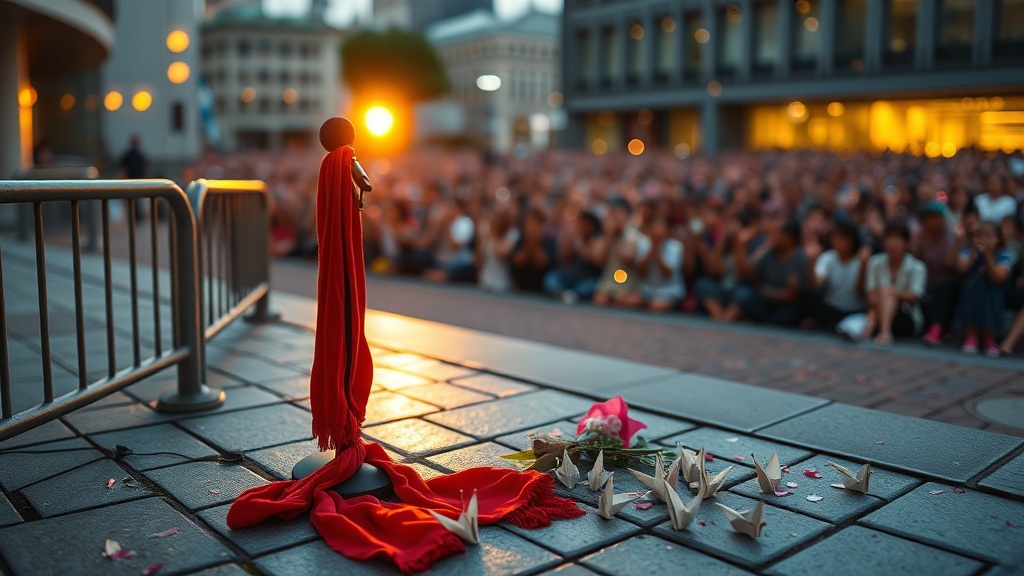
Image and Symbol
Place is a message.
Choosing a symbolic location invites political and cultural interpretation and deserves deliberate discussion.
A symbolic venue amplifies meaning and invites diverse public reactions. Therefore, location choices should rely on public agreement, not only logistical convenience.
Policy Implications
Rules and communication are needed.
Clear standards for public-space use, prior consultation, and safety plans are core challenges going forward.
Public agencies and cultural planners must create guidelines that minimize citizen disruption and ensure fair cultural access. Moreover, the fiscal impact of large events should be transparent, and discussions about taxation and cost-sharing should follow.
Deep Conclusion
Mixed meanings coexist.
This comeback brought cultural pride and economic opportunity while also raising questions about public space and safety.
In short, BTS’s Gwanghwamun comeback accelerates the global reach of Korean culture while demanding better alignment with local communities and public policy.
Policy safeguards, transparent dialogue, and a social consensus on the public value of culture remain pressing tasks.
Closing
Return to the essentials.
The full-group comeback is not just a music event.
It is a cultural symbol, an economic phenomenon, and a catalyst for public debate.
What matters most to you as a reader? That question remains open.
