BTS' fifth studio album Arirang has become the centerpiece of a monthlong city festival in Seoul.
From March 20 to April 19, neighborhoods from Gwanghwamun to Namsan and the Han River will host performances, installations, and hands-on experiences.
HYBE’s "The City" strategy treats city landmarks as stages to draw both fans and everyday residents.
The project frames a meeting between Korean tradition and global pop culture as an urban cultural industry experiment.
“The City Is the Stage” — What BTS Arirang Seoul Leaves Behind
Overview
The city becomes a stage.
Between March 20 and April 19, "The City Arirang Seoul" turns BTS’ comeback into a citywide cultural experience.
The opening walk at Gwanghwamun Plaza, a one-hour performance on March 21, and a Netflix live broadcast to roughly 190 countries are the event’s most visible moments.
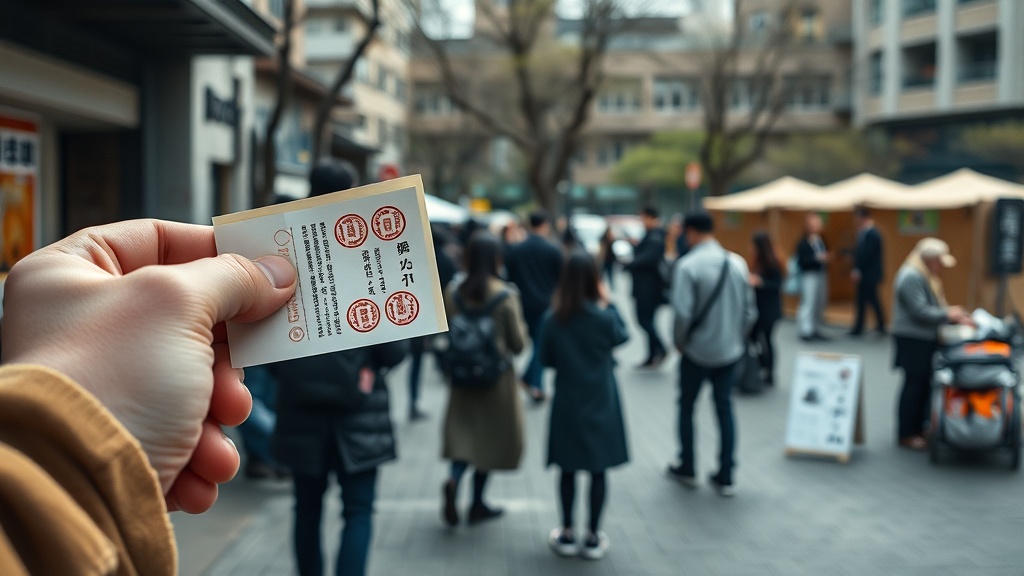
Major landmarks — Gwanghwamun Plaza, N Seoul Tower on Namsan, Sungnyemun (Namdaemun), Han River parks, and the Dongdaemun Design Plaza (DDP) — are linked by media façades and drone shows, while pop-up shops and a stamp rally invite both fans and ordinary citizens to take part.
Background and Meaning
It is a turn toward identity.
Choosing "Arirang" as a title recontextualizes a traditional Korean folk song within modern pop. Meanwhile, band members layer personal and collective narratives into the work.
RM’s remark that "the answer was not outside but within" and Suga’s comment that the project "carries Gwanghwamun’s history and identity" suggest the production seeks cultural reflection as much as spectacle.
This is an attempt to project Korean identity through the streets and architecture of Seoul.
Arguments in Favor
First, it creates economic opportunity.
Brands partnering with HYBE argue that pop-ups and light displays boost local businesses and tourism.
Large events in central areas can stimulate visitor spending, raising demand for hotels, restaurants, and transit — a short-term but tangible economic uplift.
Moreover, Netflix’s global broadcast and the attention of international fandoms help brand Seoul as a hub for cultural consumption.
Second, it is cultural recontextualization.
By translating "Arirang" into the language of contemporary pop, the project finds new meanings at the intersection of tradition and mass culture.
This is not merely servicing fandom; it is cultural export — a way to convey Korean narratives and sensibilities to domestic and international audiences.
Meanwhile, using public spaces for large events offers residents fresh experiences and can help rediscover the city’s tourism appeal.
Third, the festival design encourages public participation.
Stamp rallies, a "Love Song Lounge" near Yeouido, pop-up stores and busking invite fans and residents to explore the city, not just observe from a distance.
Such formats can increase voluntary civic engagement and create new contact points with local communities.
In the end, supporters frame the festival as a cultural investment that prompts residents and visitors to rediscover the city.

Arguments Against
Opponents argue it damages the public character of civic spaces.
Places like Gwanghwamun carry deep historical and political meaning — they have served as regal approaches and, more recently, stages for civic protest. Turning them into commercial event zones raises concerns about erasing layers of public memory.
Critics warn that transforming such spaces into branded spectacle risks confusing historical significance with marketing.
Turning sites of history into commercial products risks weakening public memory.
There are also practical worries about safety and crowding.
A single, large-scale event can generate traffic jams, pedestrian congestion, and strain emergency response capabilities.
If crowd control or safety protocols falter, especially where families and visitors gather, the potential for accidents rises. The administrative and financial costs of managing such events often fall back on public budgets and staff.
Cultural authenticity is another flashpoint.
Reworking "Arirang" into a pop commodity may simplify or distort its original meanings.
Modernizing tradition requires a careful balance of respect and interpretation; commercial pressures can shrink the complexity of historical forms.
Many critics insist that re-presenting tradition must begin with respect.
Alternatives and Adjustments
The solution lies in design for balance.
Institutional safeguards can mediate public and commercial interests.
For example, events on historic sites should undergo review by cultural heritage experts, and organizers must ensure adequate emergency staffing and clear safety plans.
Additionally, a portion of event revenues should be directed back to local communities and heritage conservation.
Transparency in cultural interpretation is also essential.
When traditional materials are used, organizers should present clear historical context and work with scholars to minimize distortion.
That approach helps build cultural trust and protects the reputations of both brands and the city over the long term.
Economic and Industry Effects
This is an industrial experiment.
"The City" model extends K-pop into an urban industry: brand collaborations, merchandise sales, and tourism can form new business models for cultural industries.
However, to avoid one-off consumption spikes, revenues should be reinvested and projects planned for sustainability.
Financial design matters.
Funds flowing through public-private collaborations and associated tax issues must be openly reported, and plans for community returns should be explicit.
Ignoring this can turn short-term gains into long-term distrust.
Transparency in investment and fund management determines a project’s sustainability.
Socio-cultural Perspective
This is a reshaping of identity.
The project reads "Arirang" in a modern frame, attempting to reconstruct Korean identity for both domestic reflection and global presentation.
Such a move can strengthen Korea’s cultural standing abroad while prompting internal debate about meaning and memory. However, it should be paired with critical discussion in academia and civil society so it does not remain a surface-level symbol.
Generational and class intersections matter too.
If designers create cultural codes that both younger fans and older generations can share, the festival can foster social integration.
On the other hand, programs that favor one group over others risk deepening social divides.
Nation Branding and Global Reach
A vanguard for cultural export.
Netflix’s worldwide broadcast and global fan engagement help brand Seoul as a cultural landmark.
The project exemplifies how cultural resources are packaged and exported to global markets.
Yet the dignity of national branding depends on the sincerity of planning, respect for history, and contextual sensitivity.
Summary and Conclusion
The main point is balance.
BTS' "The City Arirang Seoul" is an experimental effort with cultural and economic promise.
However, without clear protections for public interest, safety, and respect for tradition, it risks sparking conflict.
Ultimately, the measure of success will be how the project secures the trust of participants and the communities it occupies.
To recap: city festivals can drive tourism and industry, but they must account for the sensitivities of historic sites.
Reinterpreting tradition offers opportunities for cultural growth, but it must rest on authenticity and respect.
Transparent finances and community return plans are essential for long-term sustainability.
Question for readers: Do you see a large cultural event on a historic site like Gwanghwamun as an infringement on the public realm, or as an opportunity for urban renewal?
