He announced his retirement directly in a JTBC interview (JTBC is a South Korean news network) and in a post on his YouTube channel.
The decision follows long reflection and a growing awareness of changes in stamina and artistic capacity.
He expressed gratitude and apology to fans and chose a clear, orderly ending.
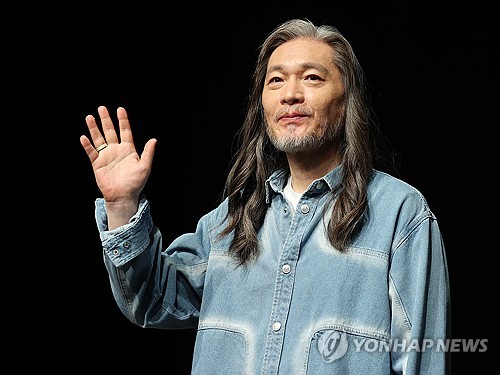
Im Jae-beom, leaving the stage after his 40th-anniversary concerts
This is the fact.
Im Jae-beom has been marking his 40th year in music with a nationwide tour and has officially announced he will stop performing on stage when the tour concludes.
His statement was made in a JTBC interview, a long post on his YouTube channel, and was confirmed by his agency.
It is understood as a declaration to end live concert and stage activity as a performing singer.
From his debut on Sinawi's first album in 1986 (Sinawi is a pioneering Korean rock band) through decades of hit songs and legendary live moments, his 40-year trajectory frames this choice.
He said he reviewed his life and career and decided, out of respect for audiences and for his own standards, to place a period on his stage career.
The announcement is confirmed by a broadcast interview, a direct YouTube message, and agency statements.
Fans and the industry have reacted with shock and regret, while others call for respecting his decision.
Putting the background in context.
His musical path is long and influential.
Im Jae-beom moved between rock and ballad, earning praise for explosive vocal power and a distinctive tone.
Forty years is not just a span of time but a collection of shared memories across generations.
He says the core reasons are straightforward: prolonged deliberation, changes in physical stamina and ability, and a self-determined way to exit.
He described leaving on his own terms as "the last piece of pride," indicating the choice balances personal agency and artistic standards.
His own explanation.
His feelings are mixed.
He admitted that the thrill of performing still exists, but that passion alone cannot fully cover what is required for the shows he wants to give.
Quality of performance and the audience's lasting memory were prioritized in his judgment.
"I thought about it for a long time. I plan to leave the stage after this 40th anniversary."
He repeatedly stressed that by choosing his own farewell he wants to leave only good memories for his music and his audience.
He expressed both apology and deep thanks to fans and argued that this decision is ultimately for the well-being of both himself and his listeners.
The case for respecting the decision.
Respect for personal choice matters.
Supporters say an artist's own assessment should come first.
After decades on the road, physical and mental fatigue and the effects of aging are most accurately felt by the artist himself.
Preserving stage quality is persuasive.
He chose to step back rather than risk delivering shows below his standard, which can be read as an effort to protect fans' memories.
This is not mere giving up but a considerate act toward the audience.
Forty years of service matters too.
His catalog and performances are cultural assets, and many feel he has earned the time to care for family and health.
Finally, his announcement may set a healthy precedent.
In pop culture, artists often face pressure to "keep going."
His retirement highlights the right to prioritize life and dignity over relentless public expectation.
The case for regret and resistance.
Energy and influence remain.
Critics of the decision note that he still shows strong live vitality and impact.
Retiring in the middle of a successful tour can feel like a sudden loss to fans.
There is worry about breaking emotional bonds.
Listeners who turned to his songs for comfort may feel a real empty space.
The communal memories formed around his music are not easily replaced.
Some argue a softer transition was possible.
Instead of a total shutdown, intermittent shows, studio work, or mentoring younger artists could have kept a connection while reducing strain.
Such compromises might ease fans' sense of loss and give the artist more flexibility.
There is also skepticism about absolute declarations.
If an artist later returns, questions can arise about the finality and authenticity of the original announcement.
For some, the word "retirement" feels too heavy and irreversible.
Concerns that follow.
Fans will feel real loss.
Those who made his music part of daily life may experience genuine emotional impact, including loneliness or grief that music once eased.
There is a symbolic gap in the music scene.
The retirement of a distinctive vocalist like him could shift the live music landscape in rock and ballad genres.
If a standard that younger performers learned from disappears, the pace and mode of generational change may be affected.
Uncertainty about the scope of retirement is also troubling.
He has spoken of leaving the stage, but it is not fully clear whether broadcast appearances, studio work, producing, or guest features are off the table.
This lack of detail can create confusion among fans and industry people.
Deeper analysis.
The causes are layered.
As he explained, long deliberation, physical change, and artistic pride combined to shape his choice.
It reads less like a momentary decision and more like the outcome of accumulated experience and awareness.
Fan expectations and reality often diverge.
Fans want ongoing presence; artists may prioritize artistic integrity.
That gap can lead to a rupture, and how it is managed matters.
Online reaction mixes shock and empathy.
Media framed the move as a surprise, yet his direct YouTube message added emotional sincerity and helped frame the conversation on his terms.
From a health perspective, long-term high-intensity performing leaves cumulative stress on the body.
Time to restore personal life and attend to health is now likely to be a top priority.
Summary and a question.
The core is clear.
Im Jae-beom announced that his 40th-anniversary tour will be his last series of stage performances.
The decision reflects long reflection, an awareness of changing stamina and capacity, and a choice to exercise personal agency.
Both supportive and critical views are persuasive.
On one hand, it can be read as an artist protecting the quality of his legacy; on the other, it leaves fans and the culture feeling a notable loss.
This choice can be seen as both respect for an individual life and the closing of an era in popular music.
The important question now is how to honor his wishes while preserving the memories fans share.
One final question: How do you take Im Jae-beom's retirement announcement?
