Deaths and missing-person reports surged, spreading shock through the city.
Suspects include combustible exterior materials and failures in building management.
The government announced an investigation, promised victim support, and issued an official period of mourning.
"The Tai Po Inferno" — Why Do These Tragedies Repeat?
Incident overview
The incident is severe.
At about 2:52 p.m. on November 26, 2025, a fire started in Wangfook Court, a high‑rise residential complex in Tai Po, a district in Hong Kong's New Territories (the suburban and rural area north of Kowloon).
The initial flames began on lower floors and raced up the façade via combustible cladding.
As a result, at least 128 people have been reported dead, dozens injured, and roughly 200 are listed as missing.
However, containment took time.
The firefighting operation only declared the blaze fully extinguished after about 43 hours, while search and rescue continued amid smoldering hotspots and complex high‑rise access issues.
The response exposed limits in equipment deployment and personnel capacity.
Subsequently, Hong Kong authorities formed a special investigation team to determine the cause and identify responsible parties.
This case appears to combine institutional gaps with on-the-ground management failures.
Scale of loss
The human toll is heavy.
Early official counts list at least 128 dead and 79 injured.
With about 200 people still missing, the death toll may rise.
Many victims were families and elderly residents who lived in the complex.
Meanwhile, rescuers balanced search efforts against the risk of structural collapse and lingering fires, which made access difficult.
Hospitals and support organizations activated emergency measures to receive casualties and assist relatives.
The Hong Kong government pledged condolence payments and subsistence aid, and announced a three‑day public mourning period.
The event has left deep community trauma and heightened anxiety across neighborhoods.

News reports and social media filled with missing‑family notices and tributes.
Press coverage focused on questions of responsibility and weak regulation, driving public debate.
International observers also followed the story and called for cross‑city comparisons of safety standards.
Causes and investigation
The causes appear to be multiple.
Initial investigations indicate the fire began on a lower floor and then spread rapidly via combustible exterior materials such as polystyrene or similar insulation products.
Officials also found evidence that external protective nets and tarps did not meet fire resistance standards.
In addition, three executives from the construction company have been arrested on charges related to negligent manslaughter, as authorities pursue legal accountability.
The investigative team is reviewing design, construction, supervision, and maintenance records to map gaps in oversight.
Experts repeatedly point to the importance of proper cladding selection, stricter on‑site quality control, and routine maintenance.
At the same time, questions were raised about the allocation of firefighting resources and crew deployment during the emergency.
Investigative findings are likely to inform future regulatory reforms.
Arguments for tighter regulation
Regulation reformers say stronger rules are necessary.
They argue this disaster resulted from inadequate material standards and weak enforcement.
Therefore, they call for mandatory fire‑resistance testing for exterior cladding and stricter quality controls during construction and upkeep.
For example, several European cities tightened standards for noncombustible façades after similar incidents and saw fewer façade‑spread fires.
Moreover, investing in prevention and regular inspections can reduce long‑term social costs.
Thus, proponents urge that policy change and budget priorities should put resident safety first.
Arguments against sweeping mandates
On the other hand, critics warn of real economic costs.
They say overly broad rules could push up construction expenses and worsen housing shortages—especially in a place like Hong Kong that already faces high demand and limited supply.
Economic analysis suggests that stricter requirements can raise average housing prices by increasing building costs.
Rapid regulatory shifts might also deter investment and reduce construction employment.
Consequently, some industry voices recommend phased, realistic standard changes combined with financial support for small builders.
Ultimately, a balance between safety improvement and economic sustainability is necessary.
Social reaction and cultural impact
Public opinion is divided.
Many people mourn the victims and demand swift government action and clear accountability.
Meanwhile, cultural organizers are reconsidering scheduled large entertainment events (such as major televised pop award shows) out of respect and safety concerns.
On social platforms, calls for tougher safety rules spread alongside warnings about the economic fallout of such measures.
The tragedy has expanded the conversation beyond immediate rescue to include housing market stability, insurance burden, and compensation mechanisms.
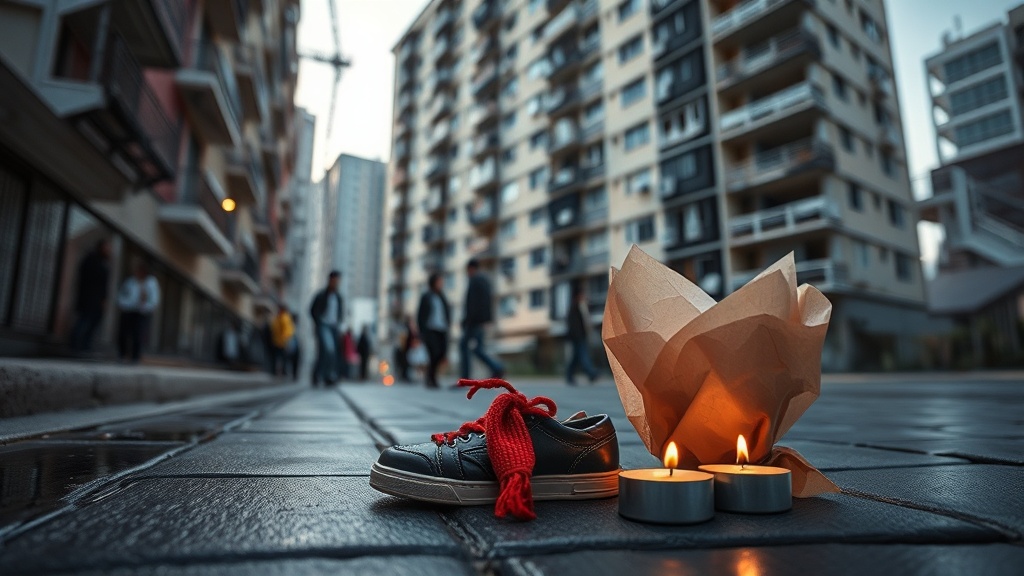
Communities are preparing for long rebuilds and trauma recovery.
The government says it will outline institutional changes and allocate funds for victims.
However, turning plans into practice—securing budgets and stakeholder agreement—will be difficult.
Transparent reporting and citizen oversight are essential to restore public trust.
International lessons
The disaster underlines shared urban challenges.
In dense cities with many high‑rises, façade regulations, fire service capacity, and protection for vulnerable residents are global concerns.
Sharing standards and technical know‑how between cities could reduce future risks.
Hong Kong’s experience should alert other municipalities.
With ongoing urban densification, safety spending must be seen as investment, not optional cost.
At the same time, policy design needs fiscal flexibility so rules are feasible and sustainable.
In short, how cities balance safety and affordability will determine long‑term resilience.
Recommendations
Policy priorities should be reviewed now.
First, authorities should conduct comprehensive inspections of cladding and fire‑protection systems and raise minimum standards where needed.
Second, strengthen on‑site quality assurance, clarify builder responsibilities, and improve oversight during construction.
Third, boost emergency response capacity with more equipment, personnel, and regular drills and simulations.
Also, provide rapid compensation and mental‑health support for victims and families.
Particular attention must go to the elderly and other vulnerable residents in recovery and long‑term rebuilding.
Finally, publish transparent investigation results and establish citizen‑participation oversight to help rebuild trust.
Conclusion
The main point is clear.
The Wangfook Court fire was not an isolated accident but the outcome of multiple system failures.
Finding a balance between stronger safety rules and economic impact is urgent.
Future policy must knit together technical fixes, regulatory reform, and financial support.
We leave readers with a question.
Has your neighborhood’s housing and building safety been checked thoroughly?
Consider what you and your community could do to be better prepared.
