Key Takeaways
Sunmi’s Shanghai fan meeting was canceled just four days before it was set to happen, with the explanation that stable operation would be difficult. That makes this less a story about one canceled event than about how much trust an artist and promoter owe fans when plans collapse late. The real issue is whether the decision was responsibly made and responsibly explained.
South Korean singer Sunmi’s fan meeting in Shanghai was canceled four days before the scheduled date. The stated reason was that “stable operation” would be difficult.
That brief notice may sound administrative, but for fans it lands as something more personal: a reminder that overseas fan events can be fragile right up to the last minute. The question is not only why the event was called off, but whether the way it was handled showed enough respect for the people it affected.

Put simply, the cancellation avoided a possibly messier problem
The phrase “stable operation would be difficult” at least suggests one thing: the organizers chose not to force the event forward under uncertain conditions. That can be read as a cautious decision rather than a flip one. A fan meeting depends on much more than a stage and a schedule; it needs a workable flow, clear control, and enough confidence that the event can proceed without disorder.
In that sense, canceling may have prevented a worse outcome. If the venue or operation was unstable, pressing ahead could have turned a disappointment into a larger disruption. There is a legitimate case for saying that protecting the event’s basic functioning, and the experience of the people who would have shown up, mattered more than simply making the date on the calendar.
But for fans, four days is still very late
That more cautious reading does not erase the practical damage. Four days is close enough to the event that many fans may already have arranged travel, lodging, time off, or other plans. A cancellation at that point is not a small scheduling note. It can mean real costs, lost time, and the frustration of having already committed.
The bigger weakness here is the explanation itself. “Stable operation would be difficult” points to a problem, but it does not say what kind of problem it was. Was it logistics? Safety? Venue conditions? Coordination trouble? The public does not need every private detail, but it does need enough clarity to understand why the decision had to come so late. When the reason stays vague, the silence around it can feel bigger than the cancellation itself.
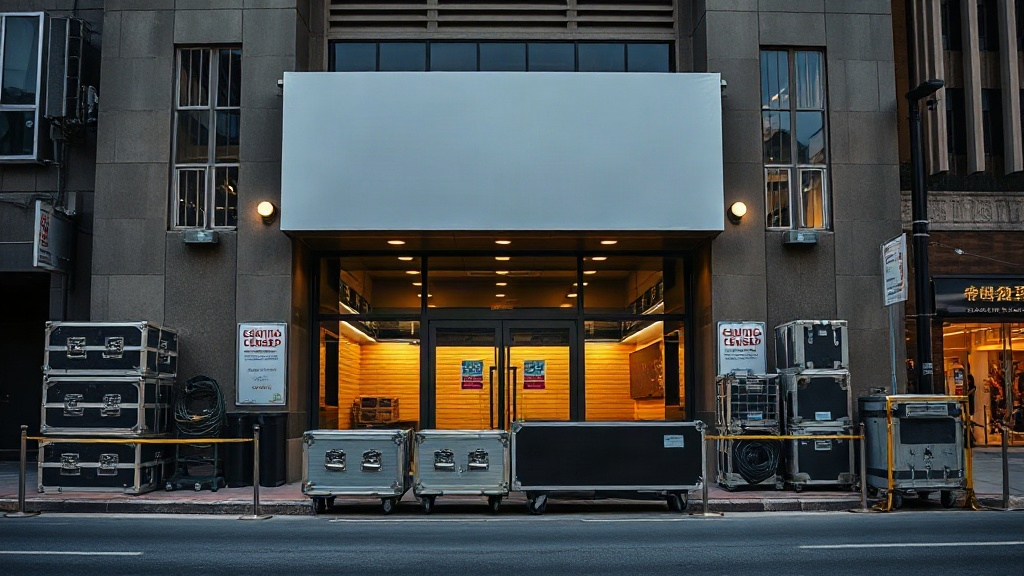
What will matter most is the response, not just the cancellation
There is no solid basis here for turning this into a story about politics, regulation, or the wider Chinese concert market. There is also no reason to treat it as a commentary on Sunmi’s career or popularity. The confirmed facts are narrower than that: the Shanghai fan meeting was canceled four days before the date, and the stated reason was that stable operation would be difficult.
So the fairest standard is also the simplest one. If the event could not be held, was the explanation plain enough, and were fans given enough support to reduce the damage? Overseas trust is not built only by showing up when everything goes right. It is also built by how carefully an artist and the organizers handle it when plans fall apart. The strongest test here is whether the people behind the event made the cancellation understandable and bearable, not just inevitable.
