Key Takeaways
Singer-songwriter Kim Dong-ryul is set to hold a solo concert, Old Song, in October at Seoul’s Sejong Center for the Performing Arts. The headline fact is the return to that stage after seven years; the harder question is whether the event is mainly a symbolic comeback or a genuinely refreshed performance. That distinction matters because big milestones can heighten expectations without by themselves proving artistic renewal.
Singer-songwriter Kim Dong-ryul is returning to Seoul’s Sejong Center for the Performing Arts in October with a solo concert titled Old Song. It will be his first time on that stage in seven years.
For American readers who may not know him, Kim is one of South Korea’s best-known singer-songwriters, and a solo concert of this kind is often read as more than a simple date on the calendar. The real issue is not whether the return sounds meaningful—it clearly does—but whether the meaning comes from the performance itself or from the story built around it.

The seven-year gap does most of the talking
The most striking detail here is not even the concert title. It is the fact that Kim is returning to the same venue after seven years, which immediately gives the announcement a sense of weight and distance at once. In live music, time can become part of the meaning before a single note is played.
That helps Kim, at least at the level of anticipation. A long absence can make a solo concert feel like a resumption of an artistic relationship rather than a fresh marketing push. It reminds listeners that the artist still has enough presence to make a return event feel consequential.
But the same seven-year gap also invites caution. A long interval can build mystique, yet mystique is not the same thing as proof of artistic growth. The number itself raises expectations; it does not satisfy them.
Sejong Center adds prestige, but not substance by itself
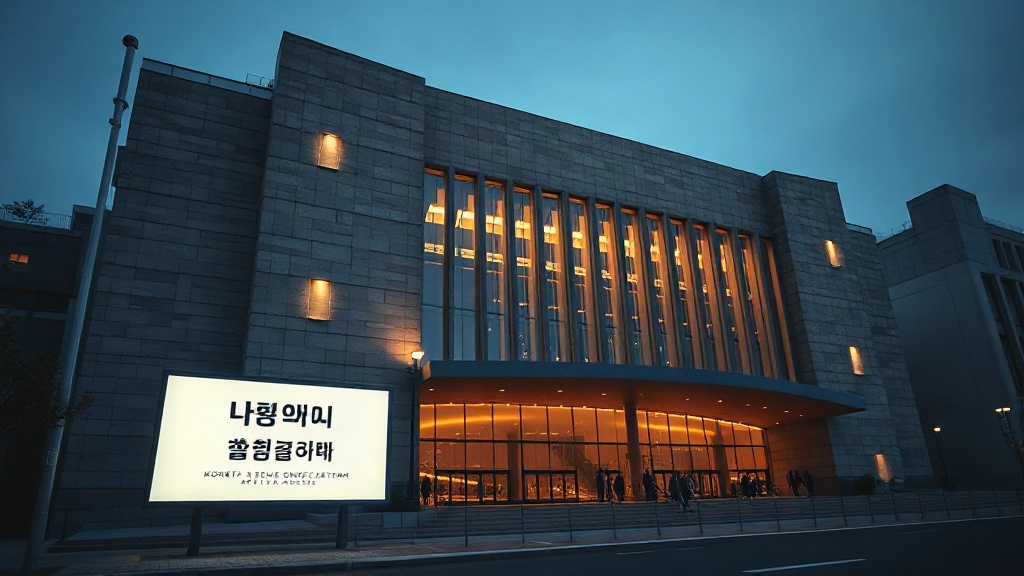
Sejong Center for the Performing Arts is not a neutral backdrop. It changes how a concert is perceived because the room itself carries cultural authority. In plain English, the venue tells audiences to prepare for something disciplined, serious, and carefully framed.
That matters for a Kim Dong-ryul concert because solo performance is the format where voice, interpretation, and musical judgment tend to matter most. The setting suggests that this will be judged less by spectacle than by how fully Kim can command attention on his own terms.
Still, the venue cannot carry the artistic argument for him. A respected hall can elevate expectations, but it cannot guarantee that the content feels new. If the concert is memorable, it will be because the performance earns the room rather than borrows its aura.
Old Song could be nostalgia—or revision
The title Old Song naturally nudges audiences toward memory. It suggests familiarity, perhaps even a return to songs or emotions that listeners already carry with them. That can be a strength, because lasting artists often work by deepening what audiences already know instead of constantly chasing novelty.
At the same time, the title also opens the door to a less flattering reading: that the concert may lean too heavily on sentiment and the safe comfort of the past. That is not a conclusion the available facts prove, but it is a real interpretive risk whenever a comeback announcement is built around an old, evocative phrase.
So the fairest standard is simple. Judge this concert not by how loudly it announces a return, but by whether it offers a present-tense performance that makes an old title feel newly lived in. If Old Song only replays memory, the event will feel symbolic; if it reinterprets memory, the comeback will have real artistic weight.
