IVE members An Yujin and Jang Wonyoung are planning a fan-focused exhibition, and the format itself matters because it changes how idols meet their audience. The promise is a more immersive, personal kind of connection; the risk is that “exhibition” becomes little more than a branded fan event. Whether it feels meaningful or merely commercial will depend on what fans actually encounter inside the space.
IVE members An Yujin and Jang Wonyoung are holding a fan-oriented exhibition. For U.S. readers who may know IVE as a leading K-pop girl group, the setup already signals something different from a standard stage performance or TV appearance.
That difference matters. An exhibition suggests time, movement, and a more curated encounter with the artists, but it does not automatically mean deeper art or less commercial intent. In practice, this kind of project lives or dies on the experience it gives fans.

The exhibition format raises the bar
An exhibition asks fans to do more than glance and move on. It invites them to linger, look closely, and take in details at their own pace, which can make an idol-fan relationship feel more layered than a quick promotional one.
That is especially true when the front-facing names are An Yujin and Jang Wonyoung. Their presence means the event is not just about IVE as a group brand; it can also highlight each member’s image, taste, and message. In that sense, the format has real upside: it gives idols a way to be seen as individuals, not only as parts of a polished unit.
The phrase “for fans” also sets a specific expectation. At least on its face, this sounds less like a routine product push and more like an attempt to express gratitude and strengthen contact with the people who already care most.
But a label is not the same as an experience
The problem is that calling something an exhibition does not make it substantial. If the content is thin, the layout generic, or the visit over in a rush, the result may feel closer to an event package than to a meaningful display.
That is where the commercial question comes in. Fan projects often sit at the intersection of affection and business, and there is nothing inherently wrong with that. Still, it matters whether the project leans more toward genuine fan service or toward encouraging consumption under a softer name.
Accessibility is another practical measure. Exhibition-style events usually require specific space, time, and money, which means not every fan can participate in the same way. When that happens, “for fans” can end up describing a narrow group of people rather than a truly open experience.
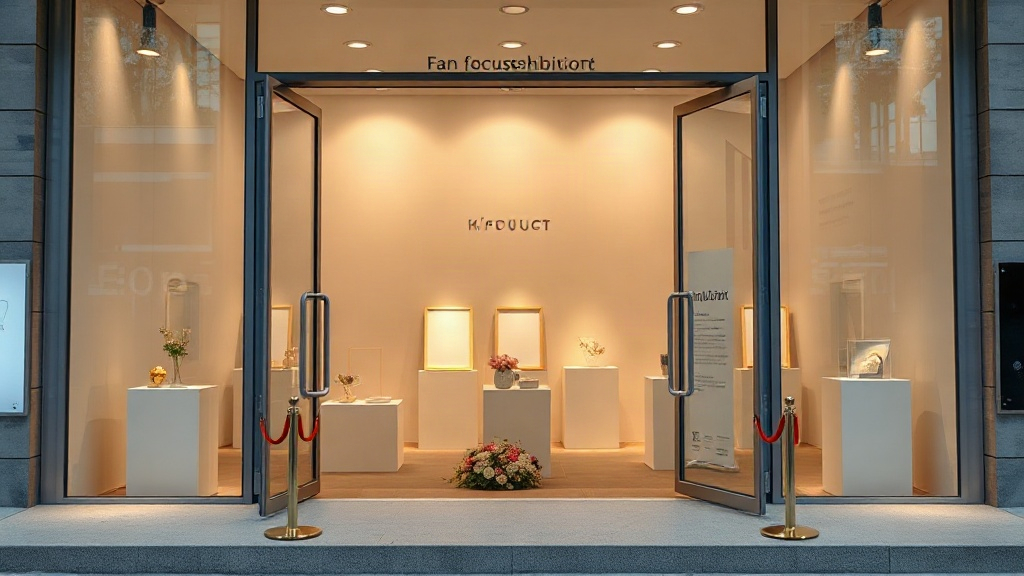
The real test is what fans leave with
This is why the most useful way to judge the project is simple: does it deepen the relationship between artist and fan, or does it just repackage familiar fandom spending?
There is also a risk of overreading the announcement before the details are known. Because the format suggests novelty, people may imagine a bigger artistic statement than the event ultimately delivers. The gap between that expectation and the actual setup can matter as much as the setup itself.
So the point is not to praise the idea of an exhibition just because it is different, nor to dismiss it as a commercial trap before seeing it. The better standard is whether the space reflects An Yujin and Jang Wonyoung’s individual presence clearly, and whether the fan experience feels open enough to be more than a marketing wrapper. By that measure, the key question is whether “for fans” describes the substance of the event—or only the slogan.
