SEVENTEEN's new unit V8 opens its first chapter with a popup store.
The pairing of The8 and Vernon sparks instant curiosity inside the fandom.
A short run and a small space only speed up the rush to buy.
The event sits right where music promotion meets experience-driven marketing.
It is a scene that holds excitement and fatigue at the same time.
Is this a new path, or another sign of overheating?
The K-pop scene in 2026 is no longer driven by one song alone.
Units, merchandise, experience spaces, and online buzz now move together like one system.
News of V8's popup store shows that flow in clear view.
The names The8 and Vernon already carry weight, and the addition of a limited-time store pulls even more eyes toward the launch.
A popup store is not just a shop.
It is open for a short period, but inside it, image-making, fan experience, shopping desire, and the urge to keep a record all mix together.
That is why this launch works both as a debut point for the unit and as a case study in how modern consumer culture packages artists for public attention.
A structure that opens briefly and disappears quickly can create even stronger interest.

For fans, this kind of event feels like a welcome invitation.
For the industry, it looks like a proven formula.
However, the bigger the excitement grows, the sharper the questions become.
Does a popup store offer a deeper look at the unit's story, or does it simply turn attention into a short shopping event?
That question goes beyond V8 and reaches the heart of artist marketing today.
Why do fans get excited so fast?
Expectation moves first
Short.
Fandom starts with waiting.
Fans wait for comebacks, wait for units, wait for new images and new voices.
When a new combination appears, as with V8, the anticipation spreads even faster.
The8 and Vernon already have strong identities through solo work and group activities, so their pairing offers both freshness and familiarity.
A popup store turns that expectation into something physical.
Instead of scattered attention online, it gathers interest in one place and links the visit to a purchase.
The fan is not only buying a product. They are also collecting proof that they were there in that moment.
That memory gets turned into photos, reactions, and social posts, which then spread the buzz again.
This setup is efficient for planners and satisfying for fans who want to feel involved.
K-pop has always run on story.
It does not end with the music itself. It expands through concept, styling, space, and events that create one larger experience.
In that sense, a popup store acts as a device that briefly narrows the distance between artist and fan.
The trip, the line, and the wait can be tiring, but many fans still accept that inconvenience as part of the experience.
That is how strongly fandom proves itself in physical space.
Scarcity matters here.
A store that is only available now creates a stronger pull than one that can be visited anytime.
People react faster when something is limited, and they remember it longer.
So the popup store is less about selling objects than about shaping a relationship.
The product is the trigger. The real goal is to hold onto feeling.
Limited access creates inconvenience, but it also creates memory.
From that angle, V8's popup store makes sense.
If the goal is to make a new unit feel real from the start, place matters a lot.
Fans often understand a unit more clearly when they see photos from the venue and experience-based content than when they only hear an announcement.
Those who support the move argue that it broadens how music is consumed and deepens how fans participate.
So why does unease follow the excitement?
Energy leaves a cost behind
Heavy.
The skeptical view also has real force.
The more often popup stores appear, the more fandom can tilt toward consumption.
When listening to music and buying goods becomes one linked experience, affection starts to translate into spending faster.
Some fans enjoy that process. Others feel worn out by it.
Limited-edition structures are often the source of debate.
Some fans rush in because items are available only on-site, while others feel left out after missing their chance.
The bigger the fandom, the wider that emotional gap can become.
For one person it is a celebration. For another, it becomes a memory of not being able to join.
The more successful the event is, the more visible the people outside it become. That is the paradox.
There is also a familiar criticism of commercialization.
When the goods and packaging catch the eye before the artist's work does, the center of gravity can shift away from music.
Of course, the entertainment business has always sold products and experiences together.
But when that balance breaks, fans can start to feel less like they are choosing out of love and more like they are being pushed to keep up.
When affection begins to look like an obligation, culture quickly turns into fatigue.
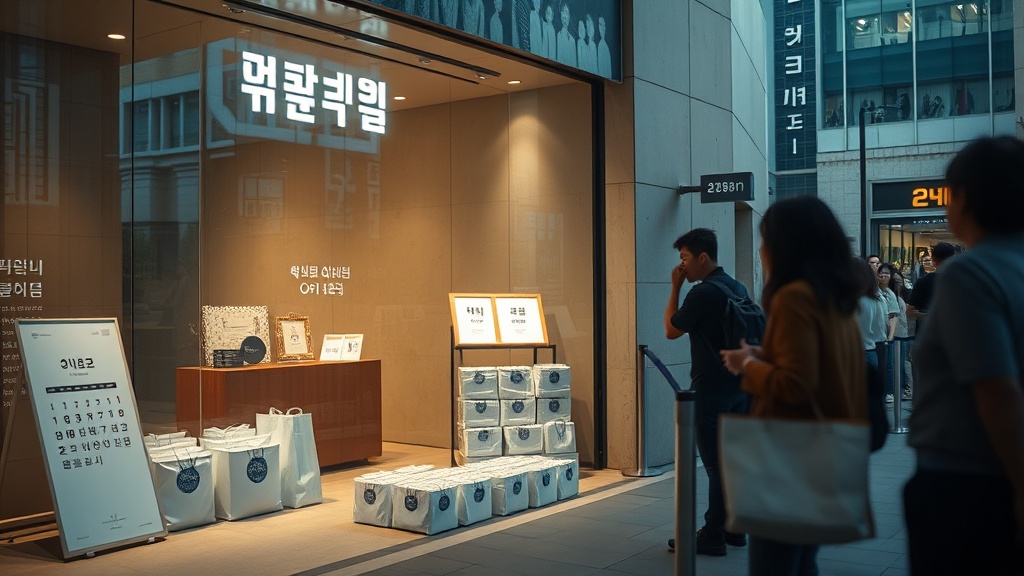
There are also practical concerns.
The more popular the event, the more it brings long lines, crowd control problems, sold-out items, inventory headaches, and resale issues.
Safety becomes a bigger job when crowds grow larger.
The same short-run format that makes the event exciting can also make the venue more chaotic.
That is why critics ask whether popup stores are effective as promotion, but sustainable as a fan experience.
Similar patterns show up in fashion, gaming, and major IP events.
At first, the format feels fresh and special.
After it repeats often enough, people start to expect the same thing.
Once that happens, the popup can feel less like a surprise and more like a pressure point for spending.
So the opposition is not saying the idea is meaningless.
It is warning that marketing efficiency can begin to outrun fan comfort.
A successful event creates bigger expectations, and those expectations can turn into pressure.
Is the launch about music, or experience?
The two layers overlap
They overlap.
V8's popup store shows that music and business are no longer separate lanes.
When a new unit appears, fans want more than the song itself.
They want the atmosphere around it, the setting, and the feeling that the launch belongs to a larger world.
That is why a popup store works not as a side note, but as part of the main event.
The more carefully attention is built, the more points of contact an artist can claim.
What matters here is not blind support or automatic rejection.
The real issue is how the design handles both expectation and burden.
There should be balance between buying and experiencing, and there should also be care for fans who cannot attend in person.
Online reservations, staggered time slots, and parallel digital content are not just conveniences.
They are ways to protect trust inside the fandom.
For a group as large as SEVENTEEN, a unit launch always carries symbolism.
A new unit splits the larger story into another branch while borrowing the trust of the main group.
That means this popup store is not just a shop.
It becomes a stage that shapes the unit's first impression.
The more thoughtful that stage is, the longer fans will remember it.
On the other hand, if the focus leans too hard toward selling, the memory may last while the goodwill fades fast.
This is what the current K-pop system looks like in miniature.
Music is the base, experience is the requirement, and consumption becomes the structure around them.
Fans move between pleasure and exhaustion inside that system.
Meanwhile, planners keep adjusting the balance.
The final question remains the same
SEVENTEEN's V8 popup store is clearly a smart promotional move.
It raises awareness for the new unit, creates a direct link with fans, and reflects today's consumer culture.
However, it also exposes the fatigue and sense of exclusion that limited-time marketing can produce.
In that sense, this is a very modern K-pop moment, one where success and burden arrive together.
How should readers see it?
As a celebration of passion, or as pressure wrapped in excitement?
The answer is not simple.
What is clear is that this popup store pushes us to think again about the relationship between music, fandom, and the market.
