Official Hige Dandism has confirmed concerts at Seoul's KSPO DOME this August.
Fan club pre-sale opens on March 31 at 12:00 PM KST (noon).
General ticket sales begin April 16 at 7:00 PM KST.
The move to a large dome marks a symbolic moment for the band's growth in Korea.
“Higedan Returns to the Dome: What Will Change?”
Dates are set.
Japan's four-member band Official Hige Dandism (often shortened to Higedan) has officially announced a Korea visit in August 2026.
The concerts will take place on Saturday, August 8 and Sunday, August 9, starting at 7:00 PM each night at Seoul Olympic Park KSPO DOME (formerly known as the Olympic Gymnastics Arena).
Fan club pre-sale is scheduled for March 31 at 12:00 PM KST, and general sales start April 16 at 7:00 PM KST.
Because the venue is a major dome, expectations are high for larger-scale production and a more expansive stage set.
Higedan visited Korea during a 2024 Asia tour and drew a powerful response at KINTEX.
Their November 30 and December 1, 2024 performances at KINTEX Hall 5 sold out almost instantly with standing-room arrangements, prompting an added show to meet demand.
So this 2026 KSPO DOME run is more than a repeat visit: it signals both a maturing fandom and a business expansion in Korea.
As a result, ticketing strategy and on-site operations are now under close scrutiny.

The fandom has grown.
Reviews from the 2024 shows indicated many fans were satisfied with a hits-focused set list.
Online chatter before and after the concerts was full of requests for Higedan to return.
However, the rapid sellouts also left many fans unable to get tickets, a disappointment that was well documented online.
Unlike the standing-heavy 2024 arrangement, the KSPO DOME dates include reserved seating and tiered pricing intended to reach more people.
Still, ticket cost, the sales platform, and how fan club priority is handled remain contentious topics.
Ticket prices were announced in Korean won: Standing R 165,000 KRW, S 154,000 KRW; Reserved R 165,000 KRW, S 154,000 KRW, A 143,000 KRW, B 132,000 KRW.
These prices reflect the larger venue's capacity, seat layout, and operating costs. (As a rough guide for international readers, 165,000 KRW is roughly $120–130 USD at recent rates.)
Because the fan club pre-sale is announced first, long-time fans again receive priority access.
In short, whether you join the fan club and how well you prepare for the sale will strongly affect your chances of getting a ticket.
Expect a ticketing battle.
Intense competition on sale day is almost certain.
Given the 2024 sellouts and the band's growing audience, many fans are likely to swarm the ticketing site in a short window.
Therefore server stability, distributing sales channels, and the effectiveness of the fan club pre-sale will be critical operational variables.
Fans should prepare by sharing presale tips, running mock purchases where possible, and having payment methods ready.
On-site logistics also matter. Past standing shows included numbered entry and rules such as no high heels, which created confusion and complaints.
Because KSPO DOME has a different layout than KINTEX, entry flows and seating will be managed differently.
Ultimately, good audience experience depends on the promoter and on-site staff running rehearsed simulations before the event.
Argument for the dome: scale and production.
There are clear positives to a dome show.
First, a venue like KSPO DOME can host many more people, so more fans can actually attend.
Second, the dome format allows larger-scale lighting, sound, and stage effects that can expand the band's live range.
Meanwhile, dome appearances often raise an artist's profile, which benefits both the band and the promoter.
Examples exist of international bands using dome shows to broaden their audience and increase media attention, which then boosts record sales and streaming numbers.
Higedan stands to strengthen its profile in Korea through these KSPO DOME nights.
Also, fan club pre-sales keep benefits for loyal fans while general sales preserve opportunities for newcomers.
So a well-run dome event can improve fan experience and help market growth.
Economically, domes can be more profitable.
Ticket tiers, VIP packages, and official merchandise create multiple revenue streams.
Those proceeds can be reinvested in future tours and local promotion, helping sustain long-term fandom growth.
Argument against: access and fairness concerns.
Critics raise valid points.
First, price levels and sales methods may disadvantage fans with less money.
Top-tier tickets like Standing R or Reserved R priced at 165,000 KRW create a higher threshold for attendance.
Second, fan club pre-sales favor existing members and can disadvantage new or casual fans.
Furthermore, flash sellouts cause frustration.
Server overloads, automated bots, and reseller purchases all undermine fair access.
Reports from the 2024 shows included many fans who could not get tickets and were left upset; repeating that experience would erode trust in the ticketing system.
So moving to a dome does not automatically create a fair or enjoyable experience for everyone.
Safety and operations are also a concern.
Large crowds require stricter plans for entry control, emergency exits, and medical readiness.
Standing areas especially need clear numbered entry and physical safety measures, so promoters and venue operators must enforce strong protocols.
In the end, the challenge is balancing excitement and inclusivity with safety and fairness.
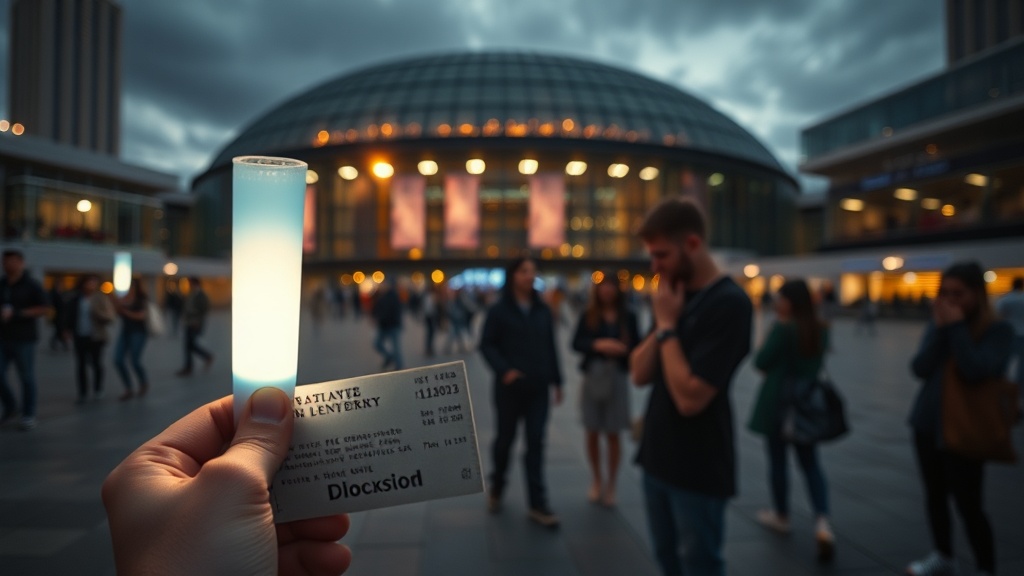
Operational realities and improvements needed.
From an implementation perspective, priorities are clear.
Ticketing platforms must strengthen load handling, block bots, and limit proxy purchases.
At the same time, fair distribution rules for the fan club pre-sale and second-chance opportunities for those who fail to buy should be considered.
On the ground, organizers should publish clear entry routes, pre-announce standing-area safety rules, and increase medical and security staffing.
They should also design differentiated seat experiences: family-friendly sections, accessibility support, and targeted discounts for lower-income fans.
Ultimately, success should be judged not only by sellouts but by the quality of the audience's experience and the fandom's sustained health.
Cultural and industry impact.
Higedan playing KSPO DOME is more than a concert: it is a cultural signal.
A successful dome run proves the capabilities of local promoters and venues, and can open the door for more international acts to stage large-scale shows in Korea.
That would boost the local economy and the live-music industry.
On the other hand, poor execution or perceived unfairness in ticketing can damage audience trust and have longer-term negative effects.
So promoters, venue operators, ticket platforms, and fan communities need close collaboration and transparent communication to prevent problems.
Because a concert is completed by both the music and the fans' participation, fan perspectives should shape every stage of planning.
Conclusion and recommendations
In summary, Higedan's 2026 KSPO DOME appearances signal fandom growth and market opportunity in Korea.
However, ticket fairness, on-site safety, and technical readiness remain unresolved challenges.
Promoters should prioritize technical measures, publish transparent allocation rules, and strengthen safety protocols.
Fans should prepare by collaborating in communities, sharing strategies, and keeping multiple payment options ready.
Now a question for readers:
How will you prepare for Higedan at KSPO DOME?
Share your ticketing plans and on-site tips so the community can help one another.
