The world’s first all-deaf idol group, Big Ocean, debuted on the International Day of Persons with Disabilities in 2024.
The three members came together by different routes and spent a year and a half training in tight choreography and vocals.
They adopted technical aids—AI pitch correction and vibration and light metronomes—to bridge musical barriers.
Amid domestic stages and international coverage, they have become a symbol fighting public prejudice.
What does the phrase “relentless fight” point to?
Asking the core question
We ask whether this is possible.
Big Ocean stepped into the public eye on April 20, 2024, with their debut single "Glow."
The members’ backgrounds differ: a hearing rehabilitation specialist, a YouTuber, and a para-ski athlete. These are not mere curiosities.
They directly challenge the fixed idea that deafness makes music impossible.
The debut stage aired on MBC’s Show! Music Core (a mainstream South Korean music program), which helped draw popular attention.
Collaborations and challenges with established acts such as Seventeen and Stray Kids, being named a Billboard "Rookie of the Month," and coverage by outlets like BBC, Fox, and ABC mean more than a momentary buzz.
However, the process required persistent training and technical work that cannot be overlooked.
Is this new potential enabled by technology—or just a polished miracle?
Stating technology’s role
Technology sits at the center.
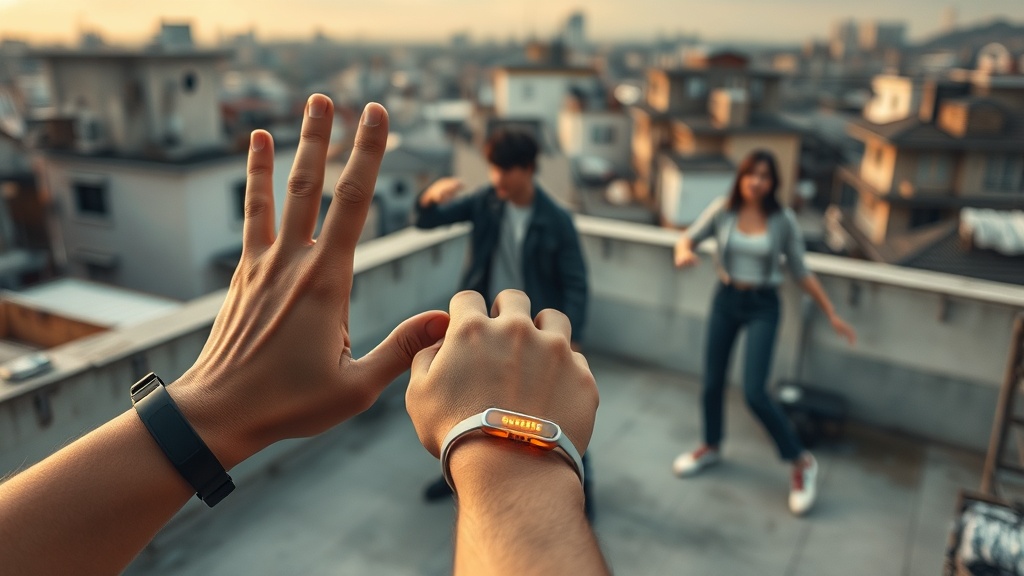
The members trained voice data with AI to correct pitch and used a light metronome and vibrating smartwatches to align rhythm.
These technical aids were not mere props but instruments that made "can" feel real.
Without the technology, the current level of performance would have been hard to achieve.
Meanwhile, technology supplements but does not replace raw talent.
The members’ sustained effort—rehearsing intense choreography together for a year and a half—shows that training matters as much as tools.
On the other hand, the limits of technology show up in live situations: equipment failure, wireless interference, and changing stage conditions can all expose gaps.
Pro: Innovation and inclusion opening new paths
Innovation is real
Possibility was proven in practice.
Supporters see Big Ocean not as a stunt but as a signal of structural change.
First, they expand K-pop’s definition, which has long relied on audiovisual cues. This is cultural innovation.
They created a symbol: deaf people can be idols.
Second, the group’s open rehearsal videos and YouTube content followed fan-building patterns while offering new storytelling.
Early international media attention and Billboard recognition confirm global interest.
Third, there is a public-good effect: improving how society sees deafness. They show coexistence is possible and offer new models for education, careers, and social participation.
For example, if deaf people see a realistic path into entertainment, demand grows for training, equipment, and curriculum—creating downstream job and entrepreneurial opportunities.
Con: Real limits and inflated expectations
Raising the concerns
We must acknowledge limits.
Skeptics warn that Big Ocean’s promise risks being overstated.
The most intuitive worry is this: music depends on hearing, so fundamental constraints remain.
Without hearing, subtle pitch control, harmony, and on-the-spot adjustments become vulnerable.
Also, heavy reliance on technology can blunt the raw emotional texture of a live performance.
AI pitch correction can increase technical polish but may reduce expressive imperfections that listeners feel as human warmth.
In practice, technical aids can fail—gear breaks, radio frequencies clash, or venue noise overwhelms signals.
Finally, in social terms, celebrating inclusion in headlines can mask everyday needs. If attention stops at viral moments without leading to institutional support—education, vocational training, and job placement—real needs remain unmet.
That also ties to industry economics: acts that are consumed as novelty struggle to secure long-term revenue and career planning.
Comparing views and similar projects
A brief comparison
The contrast is clear.
Proponents emphasize symbolism and change; critics stress practical risk and sustainability.
Context matters: a solo singer who relearned music after losing hearing is not the same as an entire group of deaf members performing together.
One person’s story of overcoming is different from the collective challenge of long-term viability.
Comparable initiatives—both domestic and international—have expanded stage access for artists with disabilities. Those projects show meaningful results when technical aids, education, and audience training are coordinated.
However, the commercial idol system’s competitiveness can pit short-term attention against long-term career cultivation.
Therefore, policies are needed to translate episodic attention into institutional change.

Rehearsal and each member’s story
Condensing the narratives
Personal stories are a source of strength.
Lee Chan-yeon’s training as a hearing rehabilitation specialist became an unexpected asset in rehearsals.
Park Hyun-jin applied skills from being a YouTuber to stage presence and audience interaction.
Kim Ji-seok’s discipline as a para-ski athlete helped his body awareness in dance.
Individual narratives met technology and training to form new expertise.
The practice videos they released built fandom and also exposed how grueling rehearsal can be.
The repetitive drills, communication hurdles, and accumulation of small wins shape their identity.
As a result, audiences can empathize with the process, not just the outcome.
Social impact and policy implications
Emphasizing policy needs
Policy support is essential.
Big Ocean’s case calls for institutional change beyond cultural success.
In schools, music and dance education must become more accessible through equipment and teacher training.
Inclusive culture is completed by investment in technology and sustained policy backing.
Media and industry also carry responsibility to convert temporary attention into lasting resources.
When fandom leads to reliable revenue, employment for artists with disabilities becomes realistic.
That process should also consider social safety nets—tax incentives, startup support, and retirement planning—to make careers viable.
Outlook: toward a sustainable model
Making a short forecast
Sustainability is the key.
Big Ocean’s achievements are new and encouraging, but scaling them will require industry, education, and policy working together.
Technology development, online training platforms, fandom management, and regulatory support are complementary pieces.
To make change routine, short-term headlines must connect to long-term institutions.
For example, online performance training, commercialization of AI assistive gear, and standardized stage accessibility would bring practical improvement.
In addition, when fans’ economic support pairs with institutional protections, artists gain realistic career planning.
Conclusion: what remains and where to go
Stating the core
The meaning is clear.
Big Ocean breaks prejudice and exemplifies what training plus technology can yield.
However, to translate that symbol into lasting change requires carefully designed policy and industry support.
The task now is to convert attention into institutional practice.
Key takeaways are these.
First, Big Ocean expands cultural boundaries and contributes to better understanding of deafness.
Second, AI and assistive devices opened a door—but technical limits and live risks remain.
Third, long-term success needs an integrated approach across education, policy, and industry.
What would you expect from this change?
