Celine Dion back on stage — between illness and comeback
Quick summary
She has announced a return after treatment and rehab.
Celine Dion disclosed a diagnosis of Stiff-Person Syndrome (SPS).
She plans concerts in France in fall 2026.
Fans are hopeful while medical experts urge caution.
In December 2022 Dion made her condition public and canceled all planned shows.
The news shocked music fans worldwide.
Through 2023 she canceled or postponed every concert while concentrating on care and physical therapy.
A 2024 documentary showed episodes of muscle spasms and seizures, and she then intensified rehabilitation efforts.
About the condition
Stiff-Person Syndrome (SPS) is a rare neurological disorder.
SPS is marked by progressive muscle stiffness and intermittent painful muscle spasms.
Persistent muscle tightness and pain can severely limit everyday activities.
There is no cure; treatment aims to reduce symptoms and preserve function through medicines and non-drug therapies.
Diagnosis depends on clinical signs and electrophysiological testing.
EMG (a test that records muscle electrical activity) may reveal abnormal ongoing muscle activity, and blood tests can show antibodies such as anti-GAD (antibodies are proteins made by the immune system).
Treatment commonly includes benzodiazepines, baclofen (a muscle relaxant), physical therapy, stretching, and heat or hydrotherapy.
In severe cases clinicians may consider intravenous immunoglobulin (IVIG) therapy, but responses vary between patients.

A personal journey
She committed to rehabilitation.
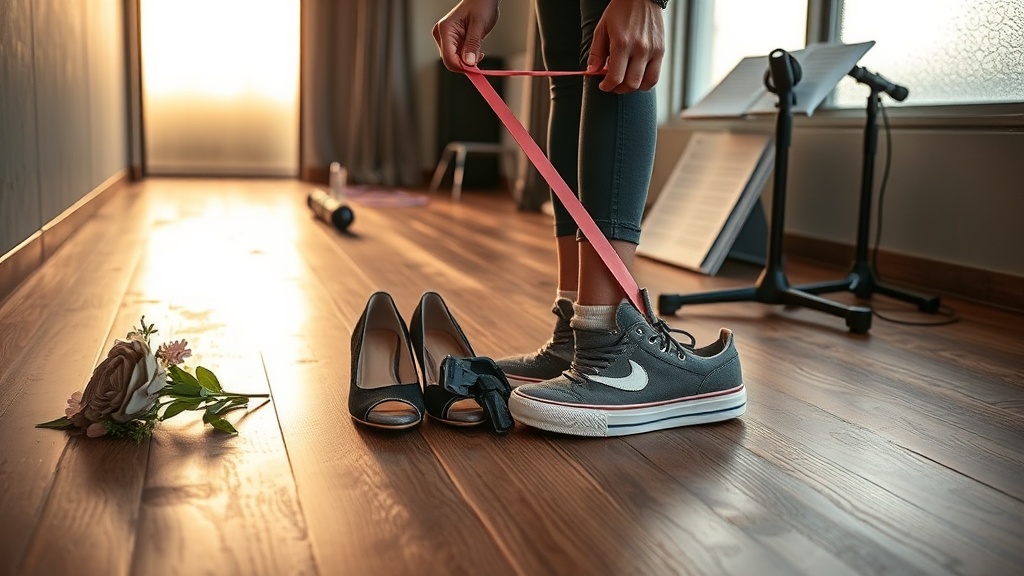
After revealing her diagnosis, Dion reportedly followed a regular rehabilitation program.
She combined exercise, physical therapy, and medication, attending multiple sessions per week as part of long-term recovery efforts.
Support from family and fans provided emotional stability and practical encouragement throughout the process.
According to family statements, the illness at times progressed to where muscle control was nearly lost.
Still, Dion has described a strong sense of responsibility to her art and audience, which has helped sustain her determination to return.
Small physical gains during rehab accumulated into the larger goal of preparing for performance.
However, the risk of relapse and sudden symptom flares remains a real and ongoing concern.
Reasons for optimism
A return to performing carries symbolic value.
One view sees Dion's comeback as a hopeful sign: a global pop star returning to the stage despite a rare illness can offer emotional relief to patients and families facing similar diagnoses.
The music business and live-event world can use such high-profile returns to highlight rehabilitation successes and raise public awareness about rare disorders.
Clinical and social science research show that social support—from family, peers, or fans—can positively influence recovery.
So the outpouring of encouragement Dion receives is more than sentiment; it can have measurable benefits for motivation and mental health during long rehabilitation programs.
Large concerts also create opportunities for fundraising and awareness campaigns, which could help finance research and improve services for people with rare neurological conditions.
Beyond entertainment, such events can stimulate public health discussions and contribute to visibility for underfunded conditions.
Economic effects matter too.
Major concerts employ crews, vendors, and venue staff, and they stimulate local tourism and hospitality sectors.
Dion performing at La Défense Arena would therefore have local cultural and economic impacts in addition to personal significance.
Cautions and concerns
There are real risks to weigh.
On the other hand, physical strain from long performances and touring can provoke pain and spasms in SPS patients.
The unpredictable course of SPS means extended shows or repeated travel could worsen symptoms.
Long-term effects of a demanding tour schedule on overall health are not yet fully known.
Standing for long periods, stress, and sleep disruption can trigger muscle spasms.
Tour logistics complicate medication schedules and physiotherapy plans.
Drugs like benzodiazepines can help control spasms but carry risks of dependence and side effects, so careful long-term medication strategies are needed.
Immunotherapies such as IVIG bring issues of cost, access, and inconsistent response among patients.
Social expectations create another pressure point.
High hopes from fans and intense media scrutiny can add psychological strain during recovery.
Medical teams must plan for on-site emergency care and clear safety protocols so that a comeback is not just symbolic but also medically responsible.
In short, a staged, closely supervised return is preferable to an abrupt re-entry into a full tour schedule.
Medical and social context
Access to care matters.
Dion's case highlights inequalities in medical access for people with rare diseases.
High-profile patients may receive faster or more comprehensive care than the average person, which can spark debate about system-wide improvements.
Resources for long-term rehabilitation and specialized clinics vary widely by region and country.
Expanding research funding and specialist services could change lives for many patients beyond a single celebrity case.
Partnerships between public agencies, private donors, and advocacy groups are often necessary to build sustained capacity for rare-disease care.
Media attention from a major concert can be steered toward fundraising, education, and clinician training—actions that would multiply the comeback's positive effects.
Comparisons and lessons
Other high-profile returns show mixed outcomes.
Historically, some performers have successfully resumed careers after serious illness, while others faced setbacks after trying to return too quickly.
These mixed outcomes point to clear lessons for planning: personalize treatment, allow ample preparation time, and adapt performance demands to the individual's condition.
Differences in results often come down to individualized care plans, realistic scheduling, and robust emergency protocols.
For Dion, a stepwise return with medical oversight, contingency plans at venues, and adequate rest between shows would reduce risk and help preserve long-term function.
Conclusion and outlook
The outcome remains to be seen.
Celine Dion's planned concerts are both a personal milestone and a moment of public attention for SPS and other rare neurological diseases.
Still, medical uncertainty and relapse risk call for a cautious, staged approach.
Fans and the broader public should balance enthusiasm with realistic expectations about what a comeback can and cannot prove.
Celine Dion's return symbolizes hope, but safe, medically guided preparation is more important than a dramatic comeback.
This line reminds readers to hold both meaning and risk in view.
Her recovery will be shaped not only by personal determination but also by clinicians, family, and public support.
Going forward, concert schedules should allow generous recovery time between performances.
In short, Dion's France concerts signal both the hardships of living with a rare disease and the determination to overcome them.
The broader significance may lie in prompting institutional change that benefits all patients with rare conditions.
A balanced review across perspectives is essential, and patient safety must remain the top priority.
How do you view this comeback?