The gap between idols and fans is much smaller than it used to be.
Real-time interaction breaks the limits of time and place.
Fandoms have moved beyond passive consumption to become content creators.
However, the industrialized friendliness and risks to privacy remain.
Fans and Idols: Opportunity or Risk?
Overview
The core issue is closeness.
K-pop communication has shifted rapidly from offline, one-way encounters to two-way, real-time exchanges on social media and dedicated apps.
Consequently, this shift accelerates global fandoms and creates new revenue streams for the industry.
Meanwhile, the same shift also brings structural problems: more exposure of private life and inflated expectations.
Summary: Real-time platforms bring artists and fans closer.
Summary: Fans act as both consumers and creators.
Summary: The industry secures new business models.
The spread of smartphones and apps is not just a technical change.
It is a cultural transformation that changed how fans behave.
Fans now reconceive relationships with artists through live streams, direct messages, and personalized content (messages tailored to small groups or individuals).
History
Generations have changed how they connect.
The 1st generation relied on concerts, fan letters, and in-person fan meetings.
Public broadcast appearances and organized fan clubs were the typical channels.
Then the 2nd generation built the first online foundations with fancafes, blogs, and SMS-based services.
Now the 3rd generation reacts and communicates in real time on Weverse (a Hybe-run fan community), Bubble (a private message app used by several agencies), Instagram, and TikTok.
Fans are no longer a passive audience; they move as organized agents through comments and hashtags.
In this process, fandoms have become global networks and increased their cultural reach.
"We are in a relationship of trust. We don't want a 'you must obey me because I'm your representative' type of relationship."
This statement reveals a new model based on assumed familiarity.
At the same time, that familiarity can be packaged and sold as a service.
Voices from the Field
Here are direct observations.
Stories from trainees who debuted and the fans who followed them reach the public immediately through open channels.
Fans respond to small gestures, and those reactions loop back as feedback to the artist.
In that loop, fans are not only supporters.
They rework and redistribute content and sometimes influence an artist's creative direction.
Fans' participation provides new opportunities for the industry, but it also brings responsibilities.

Arguments in Favor
The benefits are clear.
Real-time contact greatly improves accessibility for fans.
They can react instantly through live streams and messages regardless of time zone or location.
From an industry perspective, platforms are new revenue sources.
Paid fan platforms, merchandise, and ticketed live streams provide stable income for agencies and artists.
In a setup where fan activity becomes viral marketing, return on investment is often noticeable.
Global fandoms also give artists the power to exceed the limits of any single national market.
There are social and cultural upsides as well.
Online communities give fans a sense of belonging and create networks of solidarity around shared interests.
Young people in particular develop self-expression and creative skills within these communities.
The fact that fans are also content creators speeds up K-pop's international spread.
Moreover, agencies can adjust content strategies faster by checking fan responses in real time.
Setlists, social media events, and merchandise ideas shaped by fan feedback can raise satisfaction and encourage repeat spending.
In the long run, this helps build a stronger brand.
Economically, subscription models and paid message services on dedicated platforms provide stable income that traditional record sales or ads often cannot match.
Active fan communities often boost ticket sales and merchandise purchases in a positive feedback loop that many artists already benefit from.
Ultimately, real-time communication improves the fan experience and diversifies industry revenue.
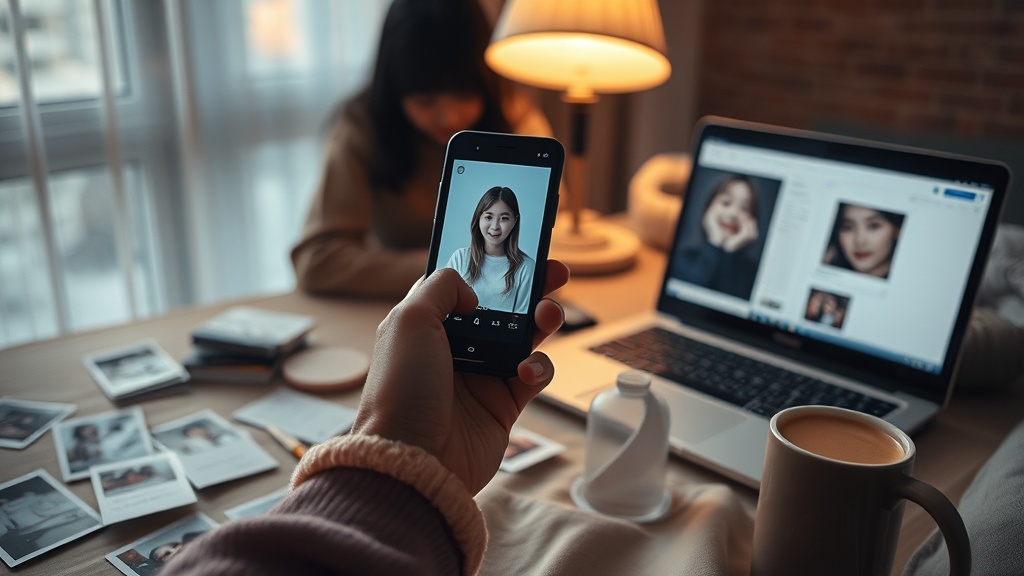
Arguments Against
There are also serious concerns.
The commercialization of intimacy can lead to invasions of privacy.
First, the always-on nature of real-time interaction can impose constant surveillance and an expectation of response on artists.
Fans expect immediate reactions, and when that expectation becomes a 'service', artists may find it hard to secure rest and private time.
Under those conditions, small mistakes or leaks of personal information can escalate into major issues.
Second, when closeness is commodified, sincerity can weaken.
Agencies design elements specifically to trigger fan devotion and increase consumption.
As a result, the trust between fans and artists risks becoming part of a marketing plan rather than a genuine bond.
When friendliness turns into a tool for sales, the value of real relationships can be diluted.
Third, organized fandoms bring not only solidarity but also collective pressure and political risks.
Hashtag campaigns or coordinated trending actions can become tools for social influence.
Sometimes these collective actions turn into harassment, privacy breaches, or online abuse that threaten the safety of artists and ordinary people.
Fourth, generational gaps can widen.
Third-generation fans' demand for instant contact may clash with the nostalgia of 1st- and 2nd-generation fans who preferred offline interactions.
If offline-centered values weaken, long-time supporters may feel alienated and internal conflict within fandoms can grow.
These conflicts increase community fragmentation and communication costs.
Finally, from an economic stance, dependence on particular platforms carries risks.
Relying on a single service exposes artists and agencies to policy changes, algorithm shifts, and fee hikes.
That can produce short-term gains but raises doubts about long-term sustainability.
Analyzing the Tension
Balance is essential.
The arguments on both sides can be read as complementary rather than purely opposing.
First, in judging value we must weigh benefits and harms together.
The economic gains and cultural spread from real-time communication are real.
However, harms such as privacy loss and commodified relationships cannot be ignored.
Second, choices involve preference versus practicality.
Fans may prefer close contact, but not every artist is prepared to meet that demand.
Therefore, platform autonomy and control mechanisms should coexist.
Third, trust and distrust shape emotional dynamics.
Trust between fans and artists sustains the community.
But if trust becomes a marketing tactic, suspicion grows and communal bonds weaken.
Fourth, comparing effectiveness versus risk shows that platforms work only if risks are managed.
Institutional measures such as data handling rules, privacy protections, and clear response limits are necessary.
Fifth, at a social level we must balance individual and collective, global and local concerns.
Global platforms can dilute local cultural identity while enabling cross-cultural exchange.
Policy attention and community norms play a key role in keeping that balance.
In short, the issue is not technology itself but the institutions and cultural reflection that guide its use.
For example, platform-specific disclosure standards, privacy charters, and fan codes of conduct are practical steps that could help.
Conclusion and Outlook
Communication methods will keep evolving.
Platforms and fandoms will create new norms through interaction.
The takeaway is clear.
Real-time engagement is an opportunity that comes with obligations.
The industry, fans, and artists must design rules for coexistence.
Policy priorities should include stronger privacy protections and platform transparency.
Culturally, fandoms need to develop internal governance and mature support practices.
Technically, interfaces should respect clear boundaries between artists' public roles and private lives.
Ultimately, friendly communication is a powerful engine for K-pop, but institutional and cultural design is essential to keep that engine running sustainably.
What balance seems most realistic to you?
