Both works ask us, through simple moments like home-cooked meals and first love, how much weight family love carries.
Their central irony is that afterlife choices and mysterious numbers create distance in relationships.
In the end, viewers are likely to return to everyday life and look at time with family anew.
Why does death summon home meals?
Two forthcoming works ask a direct question.
By using afterlife fantasy and supernatural powers, they force us to consider how precious everyday life really is.
This essay traces how each story, the choices characters make, and the audience's emotions connect around that question.
First, a quick setup of each story.
"Eternal" stages a dilemma in the afterlife where the dead must choose a lasting love.
"Number One" uses a shrinking number tied to home meals to reveal fractures in a family.
Reading the film "Eternal"
It asks about the weight of love.
The setting compares the afterlife to a train station and a hotel. However, that familiar metaphor feels strange here.
People appear as they lived. So making a final choice feels nearly impossible.
Joanne hesitates between a first husband and a second. Meanwhile, the dilemma opens the question of what counts as love and what daily life is worth.
This plot immediately connects to our memories: the modest meal shared with someone, a small habit that becomes the standard for a lifetime.
The film's point is not simple romance.
Instead, it focuses on the ethical weight of choosing. If one decision stretches into forever, audiences grow anxious, and that anxiety triggers a reevaluation of the ordinary.
What follows is a rediscovery of everyday moments.
Paradoxically, the afterlife's forced choice elevates small, lived moments to the highest value.
That paradox makes viewers revisit their own memories. The film uses this feeling to question how families talk, how daily life holds relationships, and how memories are stored.

Number One: what numbers tell us
Numbers can be ruthless.
The idea is experimental.
Numbers become a physical revelation and push emotional choices. Hamin avoids his mother's cooking to try to keep her alive. However, that sacrifice produces a different kind of loss: emotional distance.
In short, the number power exposes a dilemma between protection and isolation.
Through home food, the story shows how family bonds operate in small ways.
Table conversations, the hands that pack a lunch, and repeated shared meals become a language of relationship. On the other hand, the number device makes that language fall silent.
So audiences must ask whether not eating can be an act of love or simply a failure to communicate.
Background and context
The motif is long-standing.
Since the 20th century, afterlife themes and psychic powers have been ways to carry philosophical questions to broad audiences.
When religious imagination meets modern ethics, themes like choice, responsibility, memory, and regret become more visible in stories.
"Eternal" and "Number One" sit in that lineage. Neither tries to prove death's reality. Instead, both sharply catch how the idea of death affects present behavior and feeling.
Conflict: defending routine or sacrificing relationships?
In favor
Protect the everyday.
The argument in favor is simple.
When the primal fear of death appears, people return to the habits and moments that felt safest. Home meals, a walk together, a child's small gestures—these routines provide a sense of stability.
Then routine is not mere repetition. It becomes a component of identity.
Cinema amplifies that restoration emotionally.
In "Eternal," the selection forces the viewer to ask which love suits eternity. That question can justify choosing the domestic, human, and calm moments of life.
If time were endless, many would likely pick the gentlest moments they lived.
In "Number One," avoiding home meals can be read as protection.
Hamin's choice aims to preserve his mother's life. Willingness to accept personal pain to reduce immediate risk has clear ethical force.
Viewed this way, such behavior fits the duty of care inside families.
Examples make the logic clearer.
People often keep distance to protect a very sick family member. That choice brings loneliness and emotional cost. However, if it prevents a worse outcome, many judge it justified.
From this standpoint, extreme acts can be defensible when they aim to save a life.
To conclude, the pro side prioritizes preserving daily life and the practice of protection when faced with death.
They view emotional costs as recoverable and place value on life saved. This aligns with traditional views that emphasize family duty.
Opposing view
Do not lose communication.
The opposing case is strong.
Avoiding home meals, like Hamin does, cools relationships and blocks immediate emotional exchange. That blockage leaves unexplained worry and sometimes permanent distance.
The resulting psychological injury can conflict directly with the original intent to protect.
Secretive strategies erode trust through lack of transparency.
Love survives through actions and communication. The idea that not eating proves love is paradoxical; in practice it can weaken affection. Stories where couples break down from mistrust show that risk.
Real-world examples make the warning concrete.
Misunderstanding and silence within families often cause lasting wounds. Especially in elder care, decisions made without clear communication lower care quality and deepen imbalance. As a result, calls for counseling and mediation rise.
The opposition also raises an ethical point.
Protection that presumes another's sacrifice can be violent in effect. Choosing someone else's emotional well-being as a cost to prolong a different life harms everyone long term.
So opponents demand solutions grounded in communication and consent.
Ultimately, the contra side rejects silence justified by family love.
They value the durability of relationships and restored trust over temporary life extension. This view centers mental health and sustainable mutual care.
Cultural and social implications
Everyday life is political.
Both works show how personal choices ripple through family and community.
Themes like caregiving, childrearing, and elder care are not only private. When public support is weak, families face pressure toward extreme decisions.
Thus these stories push us to ask institutional questions beyond personal narratives.
Media that trigger emotional empathy can shape public conversation.
Audiences project film choices onto their own lives and may reorder family priorities. Then habits around food and emotional exchange can become subjects of wider debate.
Such cultural reactions can lead to policy attention over time.
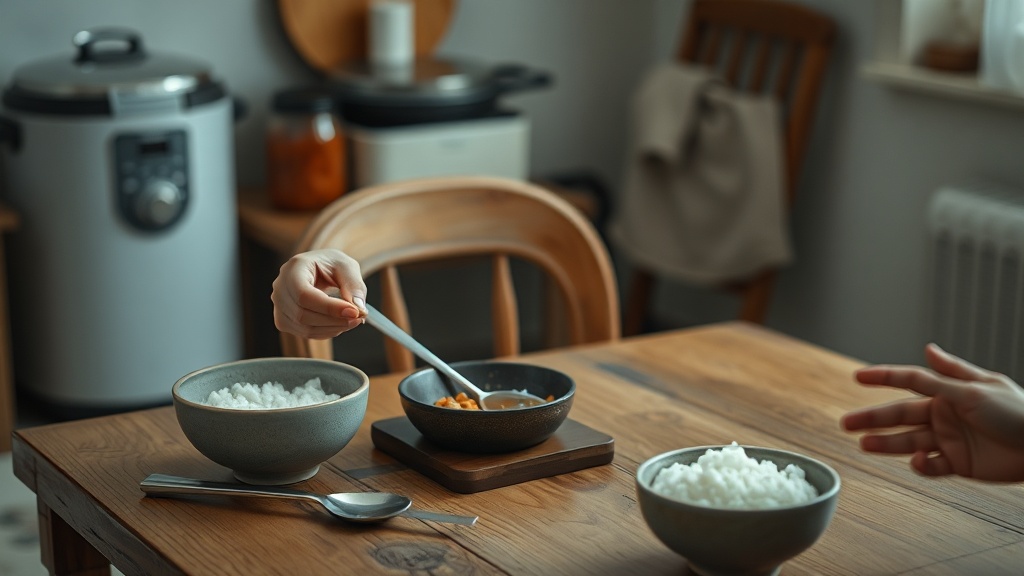
Practical suggestions
The works call for action.
Start by opening lines of communication at home.
Do not hide fears about death. Speak about medical situations and financial worries together. Transparency makes shared solutions easier. Meanwhile, use counseling and outside support when needed.
Second, deliberately restore small rituals.
Make a home-cooked meal more than food; make it a moment to confirm relationships. Regular family talks, improving eating habits, and sharing caregiving duties are concrete ways to protect daily life.
These steps help both elder care and raising children.
Finally, strengthen social safety nets.
Expand institutional support so families do not carry all burdens alone. Care insurance, community-based services, and mental health programs reduce the weight of private choices.
The more society can offer help, the fewer people will face painful, isolated decisions.
Conclusion
Both works remind us, through extreme encounters with death, how precious daily life can be.
Small moments with family form the core of life's meaning.
Silence for protection and open communication carry different moral weights.
What stories sit on your table?
