Netflix has reunited with Na Young-seok's team (a prolific Korean variety production group).
The new show is titled "Why Climb?."
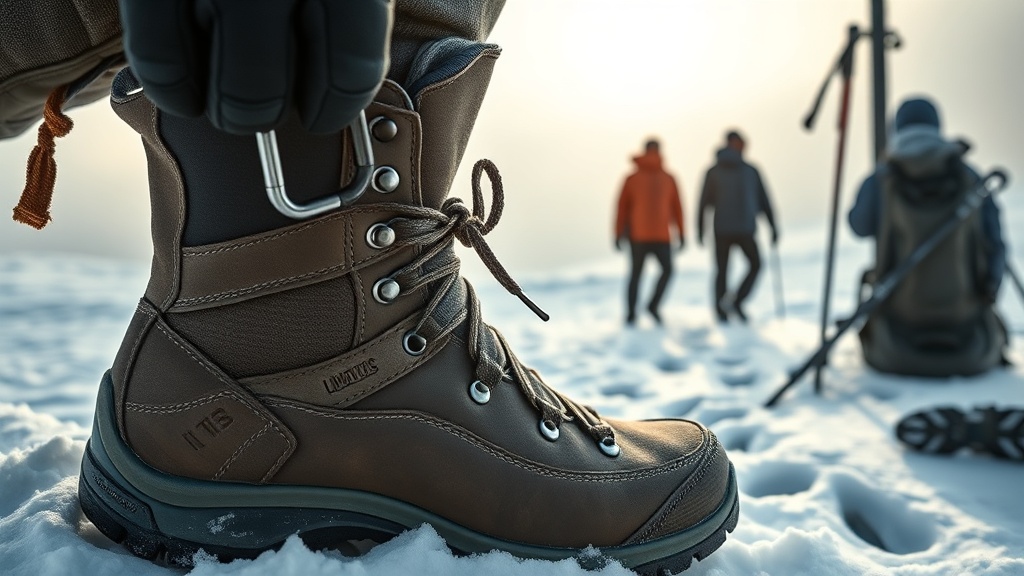
Four people with little or no hiking experience will take on a snowy mountain in winter.
This project is both the team's comeback and an experiment for Netflix's original programming strategy.
What the question "Why Climb?" really means
Quick overview
It is a clear, direct question.
The Netflix variety follows four newcomers to hiking as they attempt a winter ascent of a snow-covered peak.
The production company is Egg Is Coming, and PD Hyun-yong Park directs.
The cast includes singer Car, the Garden; DAY6's Dowoon; actor Lee Chae-min; and entertainer Tarzan.
The format trades on complete novice challenges to create spontaneous reactions and fresh chemistry.
Start context
This is a stage for a retry.
Na Young-seok's team previously collaborated with Netflix on a show set in Kenya that underperformed compared with expectations.
So this time they changed both the subject and the cast to try something different.
Whether that gamble pays off is the main point to watch.
The project feels like a deliberate expansion of the production team's experimental slate.
Clarity of concept
Simple, yet strong.
Putting four people with no climbing background on a winter snow peak naturally mixes tension, humor, and moments of real emotion.
The real drama will come from cast chemistry and personal growth arcs.
However, the format also brings safety and ethical questions tied to extreme conditions.
The format itself is straightforward, but editing and direction will determine the result.
What the producers hope for
The intent is clear.
The team wants to open a new branch of variety programming using hiking as the central theme.
They aim to draw viewers into the show through candid reactions and personal drama born from unfamiliar experience.
Meanwhile, there is also a goal to appeal to global audiences through Netflix's reach.
This is not meant to be a simple hiking series, but a search for human drama under harsh conditions.
Argument for: why it could work
The potential is real.
First, Na Young-seok's team brings proven production skills.
Their editing sense, comedic timing, and ability to draw performances from cast members could work again here.
Second, the fresh cast mix arouses curiosity.
Different personalities from different fields can generate unpredictable and engaging chemistry.
Third, an extreme environment is a natural dramatic device.
A subzero snow mountain offers visual spectacle and emotional immersion.
Netflix's global distribution can turn a local subject into a global story.
Also, the reunion of Netflix and Na Young-seok's team is a marketing asset in itself.
When the producers' craft meets platform scale, the show can achieve strong viewer immersion.
At the same time, viewers may connect with the cast's human struggles.
Audiences expect a mix of laughter and tears as the group faces hardship.
Argument against: reasonable worries
Concerns are significant.
First, past underperforming projects mean the same formula might not succeed again.
Success is not guaranteed and audience tastes shift quickly.
Previous disappointments remind us not to dismiss the risks of a new attempt.
Second, the hiking theme has limits.
If scenes focus too much on physical pain and danger, viewers may tire.
Also, casting true novices could feel frustrating rather than endearing to some viewers.
Third, safety and ethical issues in extreme conditions can spark real controversy.
If safety measures are lacking, the show will become controversial.
Commercial pressure during production can tempt teams to downplay health and safety risks.
That leads directly to questions about the responsibilities of Netflix and the producers.

Public reaction and focus points
Interest is mixed.
Online conversations show both excitement about the cast and worries about the concept.
Many people are curious to see how beginners will endure a harsh winter climb.
At the same time, questions arise about balancing reality TV and participant safety.
Viewers will judge the show on how it balances fun, safety, and authenticity.
Comparative examples
Comparison is useful.
Compared with other outdoor adventure shows, this program aims for a character-driven documentary tone.
Shows that foreground extraordinary experiences can create strong short-term immersion but also cause viewer fatigue.
By contrast, strong personal storytelling can build a long-term fan base.
The key is balance. The ratio of spectacle to human empathy will decide success.
Safety and ethics
These must come first.
Risks on a subzero snow mountain include hypothermia, frostbite, and injuries—this is not just a production concern.
Producers and platform must design the shoot with cast health and safety as the priority.
Human life and health always outweigh a chase for entertaining footage.
Concrete plans are needed: safety gear and medical staff on site, clear rules for withdrawal, and firm stop-shoot criteria.
In addition, ethical guidelines about how to show participants' suffering should be established.
Insufficient preparation will erode viewer trust in the program itself.
Safety and ethics are not negotiable.
The production must set clear priorities between entertainment and participant protection.
Social impact and cultural meaning
The ripple effect could extend beyond entertainment.
If the show succeeds, hiking-themed content may spread.
That could boost interest in outdoor activities and remind people of the importance of preparation and safety.
Also, authentic portrayals of celebrities' real struggles may bring viewers closer to performers.
Well-prepared entertainment can have a positive cultural impact.
Practical view: production and cost
Reality meets economics.
Shooting on snow costs more: equipment, safety personnel, insurance, and travel add up.
How Netflix and the producers calculate return on investment will be crucial.
On the other hand, higher budgets can translate into higher production quality.
Financial investment will shape safety and directorial choices.
Conclusion
The core point is clear.
"Why Climb?" can shine when concept, cast, and production skill align.
Fresh casting, platform reach, and precise direction together can create strong viewer engagement.
However, past failures, the limits of a hiking theme, and—above all—safety and ethical concerns are constant shadows.
If producers and the platform do not prioritize participant health, short-term attention could turn into long-term distrust.
In the end, success depends on balancing entertainment with responsibility.
Audiences want drama, reality, and respect for the people on screen.
In short, this program is an experiment with both promise and risk.
The real verdict will come after release and audience response.
Would you be curious enough to watch to find out?
