Since debuting in March 2023, PLAVE has quickly drawn attention in the K‑pop scene.
A hybrid virtual boy group is testing the boundaries of mainstream pop music.
The blend of Unreal Engine graphics and motion capture gives the project both cinematic visuals and a sense of presence.
Commercial tie‑ins and chart results have made its industry significance clear.
PLAVE: Between Real and Imagined
Overview
PLAVE debuted on March 12, 2023.
They are a virtual boy group managed by VLAST, a visual effects (VFX) studio that moved into music and character IP (intellectual property).
The name combines English "Play" and French "Rêve" (dream), signaling a goal to build new worlds where dreams can happen.
Technically, PLAVE is a hybrid model: real‑time Unreal Engine rendering, motion capture (mocap), and cartoon shading create a webtoon‑style visual finish.
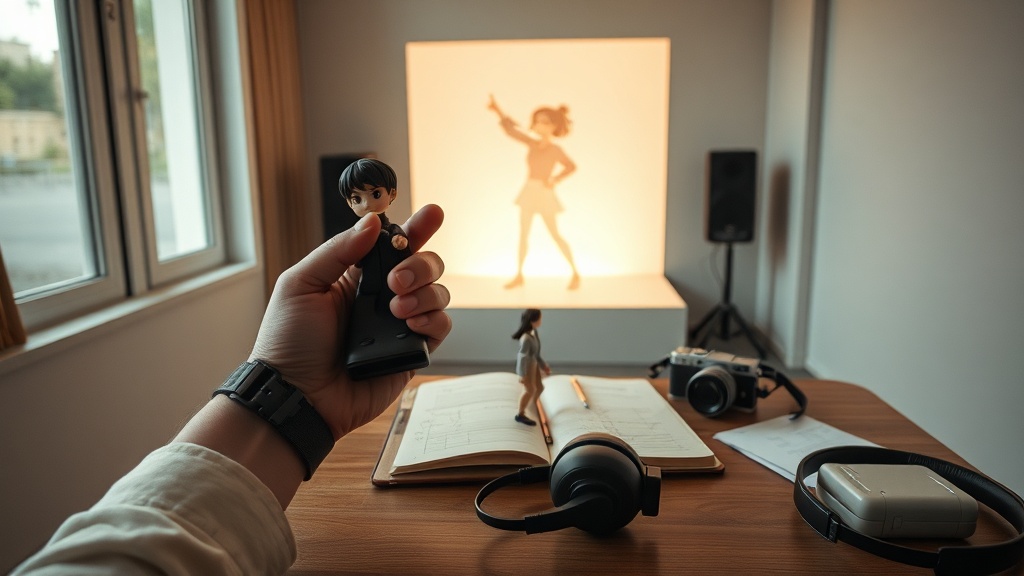
On the surface they are fictional characters. However, each member has a live performer behind the scenes, and performances rely on real‑time graphics systems.
PLAVE follows typical K‑pop routines—releasing records, appearing on music shows, staging live events, and engaging fans on social platforms—so they build fandom in ways familiar to pop audiences.

Technology and System
Technology is central.
Real‑time rendering in Unreal Engine combined with cartoon shading reproduces a high‑quality comic or webtoon look at broadcast resolution.
Motion capture brings the actual performer’s movement into the virtual avatar, which preserves a human feel and improves reliability in singing and choreography.
This design distinguishes PLAVE from fully AI‑generated avatars.
Because real people operate the characters, performance quality can be high, but the dependence on those individuals raises questions about the group’s identity (who or what is the “real” member).
Commercialization, licensing, and personal data protection issues follow, and the model tests how far the industry’s legal and operational frameworks can adapt.
Ongoing Debate
The discussion is active.
PLAVE forces the entertainment sector to reexamine long‑standing norms.
Supporters see a new market unlocked by technical fusion, while critics warn that the blend of fantasy and reality risks breaking the illusion fans expect.
Proponents' View
The potential is real.
Supporters point to measurable outcomes: within a year PLAVE entered Melon’s Top 100, earned a place in Melon’s recognition lists (a notable achievement on a major Korean chart), and earned first‑place wins on televised music shows—milestones that indicate demand beyond a niche audience.
These metrics suggest virtual idols can convert fan enthusiasm into mainstream consumption.
Technically, the project widens creative possibilities.
Unreal Engine plus advanced mocap does more than improve graphics: it offers new tools for direction and storytelling.
Embedding live performers’ timing and subtleties inside a graphic system creates a synergy between human acting and stylized visuals.
As a result, revenue streams diversify across music, digital content, merchandise, and collaborations with retailers (for example, convenience‑store tie‑ins), and IP‑driven businesses grow.
From an industry perspective, new jobs and investment follow.
Positions such as real‑time graphics directors, mocap performers, and engine developers become part of the music ecosystem.
Meanwhile, international interest treats PLAVE as a variation on K‑pop, offering export value. For proponents, these signs mark more than a trend: they are the start of structural change.
Critics' View
Concerns are significant.
Critics locate PLAVE’s weak points in performer dependence and the fragility of the fantasy they sell.
Because PLAVE is hybrid, knowing there is a real person behind a character can both intrigue fans and create anxiety inside the community.
At a deeper level, reliance on human operators makes the illusion vulnerable.
Many fans buy into an idealized image; if the performer’s private life or flaws become public, disappointment may trigger rapid disengagement.
These dynamics differ from traditional idol fandom and can erode loyalty quickly when the delicate balance between virtual persona and human reality breaks.
Privacy and ethics present structural challenges.
If a performer’s identity or personal data is exposed illegally, the consequences are personal harm and public legal disputes.
Without clear rules that separate private life from public performance, institutions must strengthen protections. On the other hand, repeated debates over “authenticity” could hamper long‑term fan growth.
Finally, cultural bias remains an obstacle.
Many audiences still classify virtual acts as “fake,” and that perception may slow full mainstream acceptance. Therefore, critics argue that technical achievement alone cannot replace cultural trust, meaning regulation, ethics, and public education must accompany commercial expansion.
Social Meaning and Impact
The implications are layered.
PLAVE illustrates how technological progress and cultural consumption interact and shift expectations for entertainment.
Fantasy (the stylized, idealized character) channels what audiences desire, while reality (continual, humanized interaction) builds trust over time.
Economically, IP and collaboration models open new revenue streams.
From small fan goods to large brand partnerships and retailer deals, these activities expand investment and employment across related industries.
However, weak institutional safeguards would leave consumers and performers exposed on privacy and consumer‑protection fronts.
Policy and Institutional Considerations
Regulation needs to catch up.
The spread of virtual idols intersects with copyright, likeness rights, and personal data protection.
Clear rules about the boundary between an avatar and the live performer—and about liability when identities or data leak—are necessary.
In addition, platforms and fandom cultures require shared norms.
Codes that balance fans’ consumption practices and creators’ rights support sustainable development in the long run.
Companies and policymakers must navigate a middle path between technological innovation and ethical responsibility.
Conclusion
The right stance is cautious optimism.
PLAVE shows new possibilities while also raising important questions.
The balance among technology, culture, and regulation will determine what comes next.
Key takeaways are these.
First, PLAVE has proven it can occupy a place in K‑pop beyond niche fandom.
Second, performer dependence and privacy issues require stronger institutional protections.
Third, industrial expansion creates jobs and revenue models but must be accompanied by ethical reflection.
Which view do you find more persuasive?
Do you welcome rapid technical change, or do you favor careful rules and protections first?
