Netflix's animated musical K-Pop Demon Hunters has drawn global attention since its 2025 release.
Golden Globe nominations and early Oscar buzz have amplified the conversation.
The series imagines K-Pop idols as demon hunters—a striking, original premise.
The blend of Korean shamanism and modern pop has sparked both praise and controversy.
“A concert that banishes demons” — K-Pop collides with the supernatural
Overview and context
The show arrived amid award-season momentum.
Netflix released K-Pop Demon Hunters (nicknamed Kedehun) on June 20, 2025.
Korean-American director Maggie Kang frames a top girl group as daytime idols and nighttime fighters of spirits.
Shortly after release, the series earned Golden Globe nominations for Best Animated Feature and Best Original Song, drawing international attention.
The plot rests on heirs of a Joseon-era shaman family and their clash with a demon lord.
It mixes sign-bearing swords, ritual rites, and a folk-painting aesthetic to reconceive the concert as a ritual that protects three-dimensional life.
Notably, music becomes a literal tool for exorcism, shifting the usual tone of supernatural stories.
Roots of the creation
It is a fusion of tradition and pop.
The director weaves Korean shamanism (folk shamanistic practices), gugak (traditional Korean music), and folk-painting motifs into a K-Pop musical format.
Through a fictional device called "honmun," the show builds cultural links rather than offering mere decorative borrowings.
At its core, the narrative emphasizes self-acceptance and solidarity.
Some rituals are deliberately symbolicized.
However, the line between symbolic adaptation and oversimplification depends on viewers and critics.
Understanding that context helps evaluate the series' aesthetic and ethical debates more precisely.
Supporters' perspective
A new narrative emerges.
Supporters see Kedehun as both a vehicle for K-Pop's global reach and a creative reimagining of Korean tradition.
The musical framing around songs and choreography fosters emotional bonds among viewers, and concert sequences dramatize the mobilizing power of fandom.
As a result, the show is often described as cultural diplomacy rather than mere entertainment.
High production values in music and choreography raise both commercial and artistic standing.
Golden Globe recognition and Oscar talk do more than advertise—the nominations can boost international confidence in K-Pop intellectual property, leading to merchandise and brand collaborations that attract investment.
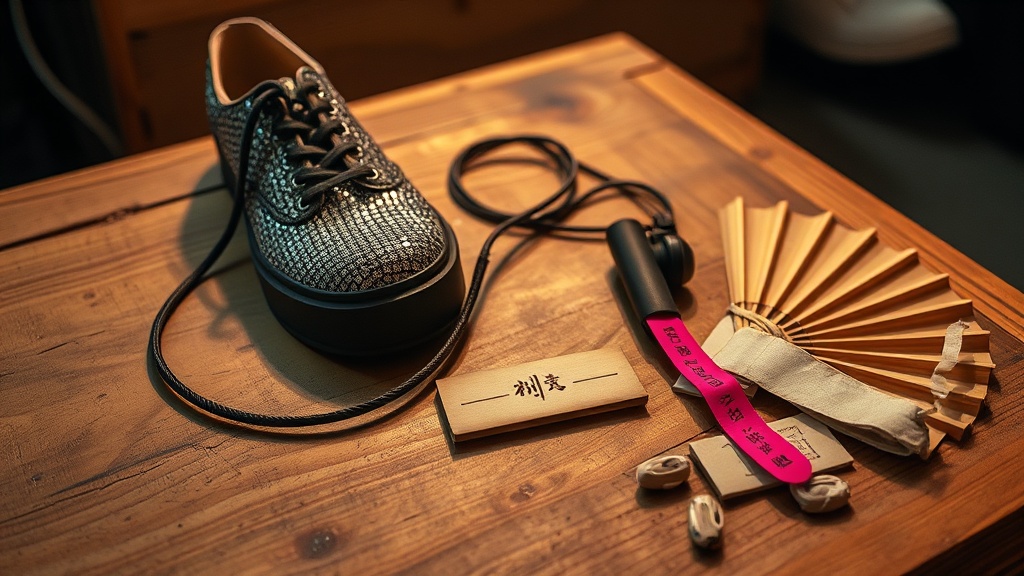
Indeed, collaborative sneakers and collectible figures have sold out quickly, a sign of commercial success.
The show’s idea that music creates solidarity provides a clear emotional bridge for global viewers.
Moreover, repeated themes of self-acceptance and community are handled with measured emotional pacing.
Consequently, small businesses and creators planning startups often see new business models inspired by the series.
Critics' perspective
But concerns are loud as well.
Critics argue the series romanticizes shamanism and risks religious friction.
Some Christian groups, in particular, see positive portrayals of shamanic figures as conflicting with their doctrines.
These reactions illustrate limitations in overseas productions that may not fully account for local religious sensitivities.
Beyond theology, critics worry about commercialization and distortion.
When shamanic rites become symbolic merchandisable elements, the original meanings can fade.
Traditions can be turned into IP for products, which raises ethical questions—especially for independent creators who may face backlash or unintended costs.
Religious sensitivity is not only emotional.
Past examples show that cultural simplification can lead to misunderstanding and conflict, and some communities have organized boycotts or public protests.
Those responses impose social costs that are distinct from artistic value.
Comparing the two sides
Weighing gains and risks.
Proponents emphasize cultural diplomacy and economic spillover, while opponents point to religious tension and misrepresentation.
If positive claims rest on global market acceptance, the critics' concerns reflect local and faith-based realities.
For example, the mobilizing power of K-Pop concerts fuels fandom economies.
Yet the same content can provoke disputes within churches or traditional communities.
Therefore, a show’s cultural impact cannot be judged by popularity or awards alone.
From a policy angle, commercializing culture brings investment but also the need for ethical guidelines and stakeholder consultation.
If government and private-sector cultural policies do not pair financial support with responsible standards, long-term trust may erode.

Interpretation and responsibility
We should broaden interpretive space.
The series reconstructs tradition while inventing new symbols.
Nevertheless, creative freedom should be paired with responsibility.
International productions especially benefit from collaboration with cultural insiders.
To improve cultural accuracy, creators can form advisory panels, engage local communities, and add contextual notes inside the work.
Such steps boost international credibility and reduce conflict.
Commerce and fandom economics
Market forces at work.
Kedehun’s merchandise and branded partnerships reveal how fandom consumption operates.
Sold-out items confirm the IP’s commercial value, attracting business and investor interest.
Yet rapid commercialization invites ethical debate.
When shamanic elements are commodified, cultural context can disappear, potentially harming long-term brand trust.
Investors face a choice between quick returns and sustainable cultural stewardship.
Ultimately, cultural industries must design creativity and ethics together.
Companies should state cultural responsibilities in funding and expansion plans.
Outlook and policy suggestions
Coordination and norms are needed.
Domestic and international cultural policies should support creators while protecting cultural sensitivities.
Examples include guidelines for cultural asset use, mandatory cultural advisers for co-productions, and transparent rules for fandom-related commerce.
At the production level, formalizing collaboration with tradition-bearers improves accuracy.
Those steps raise artistic quality and reduce social costs—an investment in long-term reputation.
Summary and conclusion
Balance is the key.
Kedehun has captured global attention through K-Pop energy and creative imagination.
However, that attention carries questions about religious sensitivity and commercialization.
Cultural expansion is wondrous, but it demands care.
In short, the show’s aesthetic and economic value is clear, but it must be accompanied by respect for local communities and institutional safeguards.
How will you judge that balance?
