Im Youngwoong's IM HERO concert in Daejeon opened the new year stage for 2026.
The official dates were January 2–4, 2026, at Daejeon Convention Center.
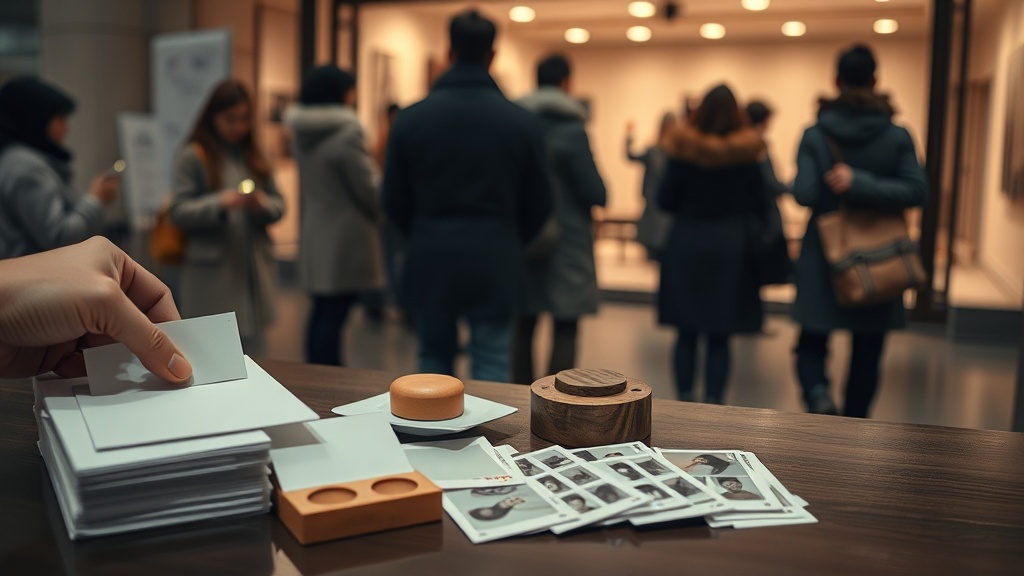
The venue set up fan experience zones such as a postal corner, city stamps, and an on-site photographer.
The press framed the shows as the tour's gateway into 2026.
Why open 2026 in Daejeon?
Overview
The core idea was symbolism for the new year.
IM HERO is the name of Im Youngwoong's branded national tour, and the schedule that began in 2025 extends into early 2026.
The Daejeon stop became the first in-person moment to greet 2026 with fans, a detail both media and fandom highlighted.
The concerts ran three days, January 2–4, at Exhibition Hall 2 of the convention center and included region-specific commemorative features.
Reports repeatedly said the artist "started 2026 with his fans," underscoring the concert's symbolic weight.
Official announcements and event coverage described the Daejeon date as the tour's first stage across the year boundary.
That framing shows the IM HERO tour is functioning as more than a sequence of dates — it is a recurring brand with calendar symbolism.
History and context
IM HERO has become a branded concert series.
Im Youngwoong rose to national fame through a Korean TV audition show (similar to American talent competitions), and he has since developed his own concert identity.
The IM HERO name links the singer's public image and the fandom's shared identity.
It is common in live entertainment for a tour labeled with one year to extend into the next, so the 2025 tour continuing into 2026 fits industry practice.
Running a tour across late December into January helps spread demand and expands local engagement.
Within that marketing logic, Daejeon served as the site to open the new calendar year.

Stage design and fan services
The production favored interactive experiences.
On site were an "IM HERO Post Office" where fans could write messages, regional stamp stations, a fan photographer labeled "Yeongwon Photographer," and photo zones.
These elements turned wait time into an active part of the event.
The setlist, centered on songs from his second studio album and his major hits, offered reliable satisfaction.
Reviews noted that "fan experience features were placed throughout the venue."
Stage direction balanced emotional ballads with conversational moments.
Im Youngwoong's remarks to the crowd emphasized connection and raised the evening's warmth, while visuals and choreography drew positive press attention.
Setlist and staging: what it meant
The format leaned on familiarity.
The setlist mixed established hits with newer album tracks to meet audience expectations.
That approach reinforced fandom identity while keeping the concert brand consistent.
The choice emphasized dependable satisfaction over radical experimentation.
However, that stability can clash with fans who hope for bold surprises.
So far, coverage shows no major complaints, but future tour legs will need content updates to maintain momentum.
Arguments in favor
The main merit is solidarity with fans.
Supporters see the Daejeon shows as a symbolic place to welcome the new year together.
Features like the post office, stamp stations, and photographer deepen fan engagement and encourage social media sharing.
That turns passive viewing into community building.
Fandom functions at the venue as a community, not just a group of consumers.
A stable concert brand produces predictable long-term demand.
If IM HERO continues to deliver consistent quality, fans will treat it like an annual event.
That expectation rests on trust built between the artist and his management.
Risks and possible criticisms
One practical issue is the year labeling.
The concerts took place in 2026, but promotional materials kept the "2025 national tour" name, which caused some confusion.
Some video hosts and commentators pointed out the inconsistency between the event year and the tour label.
Clear and consistent messaging matters because such details affect the fan experience.
Large-scale tours also create financial pressure for fans.
Ticket prices, travel, and lodging affect household budgets and plans.
Working fans must consider time off and commuting changes, turning attendance into a practical calculation.
At the same time, many reports note that fans accept the cost because the emotional return — shared memory, live music, community — is large.
So the debate comes down to emotional reward versus economic burden.
Fandom reaction and online tone
The overall mood online was celebratory.
Search results and video content emphasized "successful run" and congratulations.
Fan posts and creators shared on-site photos and short reviews, spreading positive impressions.
No major controversy or organized criticism surfaced in the available material.
Video clips and articles repeatedly reflected fans' expectation and satisfaction.
However, internet sentiment can be selective.
Not every opinion is visible in mainstream coverage, so minority complaints may exist.
Within the reviewed sources, Daejeon earned a generally positive assessment.
Summary and implications
There are three takeaways.
First, the Daejeon concerts functioned as a symbolic start to 2026.
Second, interactive fan programming and a conservative setlist aimed at satisfaction.
Third, practical gaps — year labeling and fans' financial burdens — deserve attention.
For future dates, the tour should ensure clear naming and consider differentiated content for each city.
Making attendance easier on fans' schedules and budgets will help sustain loyalty.
Conclusion
The key is balance.
The Daejeon stop was a successful, fan-centered way to open 2026 for IM HERO.
At the same time, labeling consistency and practical fan costs require fixes.
Long-term brand growth depends on fresh content and precise operations.
Moments made together by artists and fans amplify both musical value and social bonds.
Which part of a tour's operation matters most to you when you decide to attend?
