Bela Tarr died on January 6, 2026, at the age of 70 after a long illness.
He was a director who reshaped film history with slow long takes and stark black-and-white imagery.
His films relentlessly examined the collapse of societies in Eastern Europe and the helplessness of ordinary people.
Even after announcing his retirement from feature filmmaking, he expanded his work into teaching and helped found a film school that looked more like a practical production incubator.
Why Bela Tarr became both a venerated master and a source of debate
Early life and first steps
He came from Pécs.
Born in 1955 in Pécs (a city in southern Hungary), Tarr started making films as a teenager with a camera his father gave him at 16.
He emerged on the international stage with his first feature, Family Nest, premiered in the late 1970s and awarded at the Mannheim-Heidelberg International Film Festival.
From the start, he favored nonprofessional actors and carefully staged settings that mirrored everyday reality, pursuing a kind of cinematic naturalism.
Core of his aesthetic
The long take is his signature.
Tarr built films out of continuous shots that often run ten minutes or longer. This long take (a continuous shot) restructures how viewers feel time.
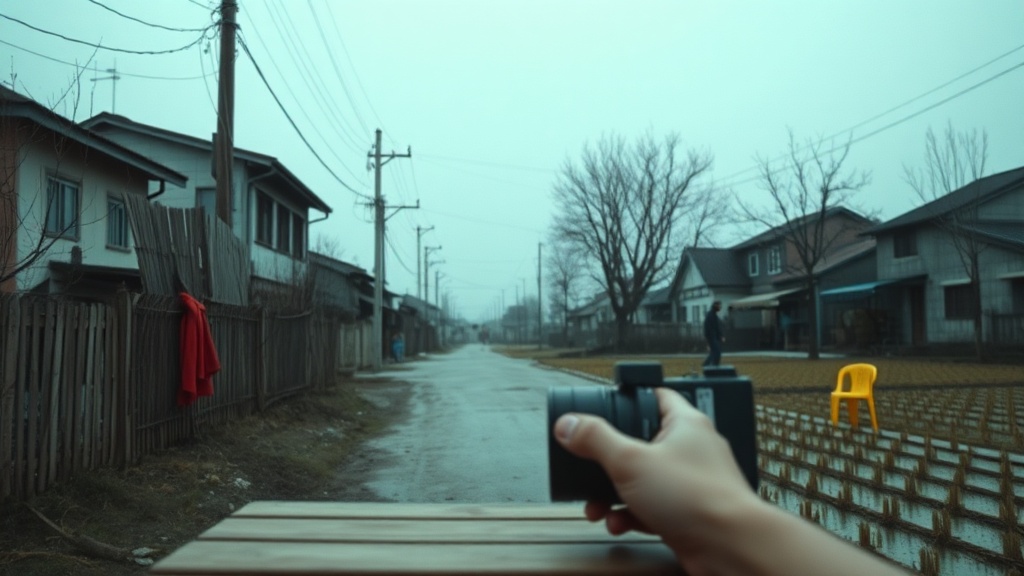
Meanwhile, his black-and-white frames do more than set a mood. They act like paintings, revealing characters slowly through light and shadow.
By using slowness, his cinema fixes the spectator's gaze and gradually exposes political and social landscapes.
Film is a tool to stretch time and show the grain of reality.
Tarr's camera waits for the smallest facial movements and records them.
This waiting is both his aesthetic and a demand on the spectator's basic ethics. As a result, his images often present a harsh, desolate Eastern Europe without softening it.

Key works and trajectory
His major films are uncompromising.
Sátántangó (1994) is a monumental work running about seven and a half hours. It uses the collapse of a collective farm to reflect the emptiness after the fall of communism.
Other films—The Curse, Werckmeister Harmonies, and The Turin Horse—each probe human decline and the breakdown of communities in different ways.
After The Turin Horse, which won a Silver Bear at the Berlin International Film Festival in 2011, Tarr announced his retirement from directing feature films.
Historical and political context
The transition of Eastern Europe is the backdrop.
The ruin and disorientation that followed the collapse of communist systems run through his entire body of work.
Tarr entrusted social collapse and private helplessness to the camera's stretched time, and he did not avoid political statements.
For example, he publicly criticized Viktor Orbán's populism and cultural policies in Hungary, linking artistic freedom to wider civic concerns.
In favor: defending artistic value
There is no doubt about his originality.
Tarr deliberately dismantled the conventional tempo of storytelling and replaced it with an abyss of time. This is more than an aesthetic experiment; it asks fundamental questions about how cinema can reorganize experience.
In particular, the long take ties sequences into a continuous flow and demands intense concentration from viewers. That concentration can create a kind of cinematic community among those who engage.
By genre standards his films are not commercial.
However, in film-historical terms his achievement is distinctive. Sátántangó, for instance, functions as a historical record simply by its length and scope, reenacting the slow collapse of an era.
Such narrative structures rarely offer immediate pleasure. Instead, they build grounds for prolonged reflection. Ultimately, Tarr's methods expand what cinema can do and challenge conservative definitions of film.
Practically speaking, critics and festivals praised his work for literary and philosophical depth.
His collaborations with novelist László Krasznahorkai blurred the boundary between literature and film, breaking narrative economy and offering new forms driven by image and rhythm. Moreover, his post-retirement efforts—founding a film school and supporting production—provided tangible infrastructure for the next generation.
Against: accessibility and the burden on audiences
His work is difficult for general audiences.
Long running times and a deliberate, glacial pace limit popular access. In a commercial distribution system, only a small, committed audience can experience his films.
This raises a question: if film is a medium of social communication, does extreme slowness undercut that role?
Film is a medium of communication; but when it moves too slowly, communication can break down.
Extended long takes can cause fatigue.
Viewers may lose emotional connection or experience wandering attention during prolonged shots. Some audiences reported feeling exhausted by Sátántangó and focused more on length and difficulty than on narrative nuance. These reactions highlight a tension between artistic experiment and viewer experience.
Also, political meanings may not always land clearly.
The aesthetics of slowness enlarge interpretive space, but they can blunt direct political impact. In that respect, Tarr's films risk limiting their cultural reach. They speak powerfully to devoted followers but do less to create broad public consensus or immediate social change.
Comparisons and reception
He is often compared to Tarkovsky.
Some critics called Tarr a spiritual successor to Andrei Tarkovsky, but Tarr himself rejected that label. Where Tarkovsky emphasized poetic images and a mystic affect, Tarr stared more directly at social collapse. Both filmmakers value the aesthetics of time, yet they apply that value in different directions.
Festival and critical responses were polarized.
Professional critics and art-house festivals frequently celebrated his experiments, while general audience reactions varied widely. This split is typical of art cinema: bold formal achievement can clash with the goal of expanding audiences. In Tarr's case, regional political history also shaped how viewers interpreted his films.
Legacy and institutional effects
His legacy is multiple.
After retiring from features, Tarr continued to work with installation art, production, and education. The Film Factory school in Sarajevo, which he helped establish, left a practical imprint on the region's film ecology. That project stimulated local production capacity and educational opportunities beyond a single artist's practice.
His death will prompt a reassessment of slow cinema.
Retirement and long years of illness add new layers to how we read his work. His political interventions remain a catalyst for debates about cultural policy and freedom of expression in Eastern Europe. In the end, his legacy will be measured along two axes: film-historical achievement and public engagement.
Conclusion and outlook
Tarr expanded cinematic time.
His films confront a culture of speed and force a deep rethink about how cinema handles duration. However, that very confrontation exposes limits in audience reach and cultural impact. This tension will remain central to future reassessments of slow cinema.
In short, he left a model of cinematic experiment.
At the same time, his methods reopened the old question about art and popularity. The unfinished task is how to integrate his aesthetic into education and production systems in ways that are sustainable. That question will touch film schools, festival policies, and regional industry strategies in the years ahead.
To summarize: Tarr used the aesthetics of slowness to leave a deep mark on world cinema.
His work has clear artistic value but also real limits in accessibility. Thus he remains both a master and a contested figure.
What do you think his films mean for today’s film ecosystem?
