A recent leak of flight details for a South Korean pop (K-pop) star at an international airport has sparked public debate.
Reports say airline staff sold small amounts of flight information and fans converged at the airport, creating operational and security risks.
What began as low-cost data exchanged over social media drew hundreds of people to the same terminal around the same time.
Beyond fan enthusiasm, the incident exposed institutional gaps and weaknesses in airport information controls.
When the Airport Becomes a Stage: Who Is Responsible?
What happened
Rapid global travel is part of the background.
In January 2026, international news outlets reported that airline employees had sold a pop star's flight details for a small fee.
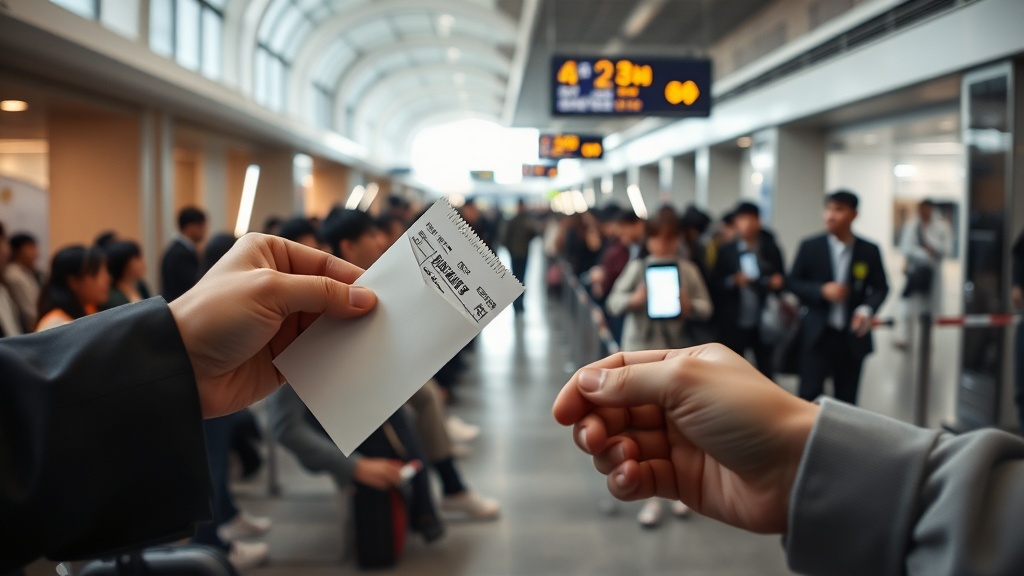
As a result, hundreds of fans gathered at Seoul's airport at the same time, crowding entrances and gates.
Operations were delayed, cabin safety became harder to guarantee, and the artist's secure travel route was compromised.
This event is a layered problem: failures in internal controls combined with collective fan behavior.
Employee ethics, weak security procedures, and entertainment agencies' practice of withholding schedules together amplified the risk.
Most of all, social media turned a small paid tip into a large real-world gathering almost instantly.
Why this is a problem
Airport safety is at stake.
Mass fan gatherings interrupt flight operations and add strain to security checks and boarding procedures.
Fans booking the same flights and attempting to approach an artist onboard create potential hazards for fellow passengers and crew.
'Access to internal flight data is tied to public safety,' a security specialist warned.
Some voices dismiss the incident as overblown, calling it an expression of fan loyalty or culture.
However, the problem goes beyond individual fan actions: it points to gaps in airline internal controls and industry-wide procedures that need fixing.
Root causes and structure
Abuse of access privileges is central.
Operational flight details held by airline staff should be restricted to protect safety and efficiency.
But when that information is sold—even for a small amount—a distribution network forms and fandoms consume it readily.
In context, K-pop artists now travel internationally more frequently. For example, major acts like Blackpink tour repeatedly overseas, increasing passenger traffic tied to celebrity movements.
Scarcity of reliable arrival information—and the special access that such information implies—makes fans value this data and act on it.
Arguments for the fans' perspective
Some see this as an intense expression of fan culture.
First, fans naturally want to see artists up close. This desire drives part of the K-pop industry's growth and the so-called fandom economy.
Second, the sums reportedly paid for the data were very small, and some consider these exchanges a kind of informal fan service or sharing of information.
From that view, tiny payments do not equal a deliberate effort to create mass disruption.
Third, some argue that entertainment agencies' secrecy about schedules increases fan obsession and helped create the conditions for this event.
This argument stresses that cultural behavior should not be reduced to a legal or security problem alone.
In other words, strong fan mobilization and the demand for access are things the industry could manage and channel constructively.
Fans sometimes show self-organizing behaviors to preserve order and safety.
However, this stance risks downplaying the real impacts on airline operations and public safety.
Even supporters often accept the need for clearer rules and better internal controls.
Arguments stressing safety and legal responsibility
Safety and the law come first.
Critics note that airline staff selling flight information is clear abuse of authority that should have criminal and administrative consequences.
'Internal access rights must be tightly controlled to protect public safety,' said an official security statement.
Second, the large gatherings caused actual flight delays and created security threats. Attempts to approach the cabin or put pressure on crews endanger everyone onboard.
Third, the scale of payment does not change the seriousness of the offense.
Commercial distribution of internal data is illegal and erodes institutional trust; many argue for strict penalties and systemic reforms.
Critics also warn that repeated security lapses could damage the country's global reputation and the airline industry's credibility.
If K-pop acts continue to travel worldwide, reliable systems to protect artists and other passengers are essential.
Thus, the incident links commercial entertainment success with an urgent public safety obligation.
Where the two sides clash
This debate is essentially about rights versus safety.
Pro-fan views emphasize cultural rights and the economic value of fandom.
Opponents prioritize security and legal accountability.
At the same time, entertainment agencies' secrecy and airlines' weak internal controls are both part of the problem.
That suggests we cannot blame fans alone.
Effective solutions must be layered: policy reform, internal ethics training, and initiatives to guide fan behavior constructively.

Practical steps to respond
Immediate measures are needed.
Airlines should audit who can see sensitive operational data, improve logging of who accessed what, and separate duties to reduce misuse.
Companies must also strengthen employee ethics training and publish clear sanctions to deter internal trade in information.
Airport authorities should prepare special operating manuals for celebrity movements: minimize advance public notices, enforce strict access control, and keep secure movement corridors.
Longer term, entertainment companies, airlines, and airport operators should form a joint task force to agree on standards for protecting traveling artists.
Those standards should protect public safety without unduly restricting fans' cultural expression.
Institutional reform and public reflection
Fundamental changes are required.
Laws and regulations on personal data and operational flight information need review and, where necessary, tightening.
Society must also reflect on behavior in public spaces.
Fandom energy deserves respect, but actions in public venues must account for others' safety and rights.
Education campaigns within fan communities could help spread voluntary norms that reduce risky behavior.
Conclusion
The solution must be multi-layered.
Stronger internal controls at airlines, legal updates, and improved airport operating manuals should move forward together.
Fan passion is a commercial and cultural strength, but it must operate within the bounds of safety and law.
Entertainment agencies, airport authorities, and airlines must share responsibility and craft practical, enforceable measures.
In short, this incident is a warning about fandom, industry practices, and insider ethics all at once.
Only a combination of legal reform and social agreement will prevent similar episodes.
What mix of rules and voluntary community norms would you trust to keep fans and travelers safe?
