On December 26, 2025, Samsung Electronics unveiled a new viewing experience.
Samsung TV Plus launched an All-in-One AI channel powered by generative AI.
The channel restores classic 2000s Korean dramas to 4K quality.
The company says it reconstructs both picture and sound with AI to redefine how viewers experience these works.
AI-restored memories: replay or re-creation?
Quick overview
Restoration done by AI.
Samsung TV Plus's All-in-One AI channel combines image upscaling, audio remastering, AI-generated episode synopses, and AI recaps to present 2000s dramas at 4K levels.
At launch, Samsung is restoring and offering hits such as 'Autumn in My Heart' (a beloved 2000s Korean drama).
Later additions are expected to include 'Winter Sonata', 'Rooftop Cat', and 'Tomato' in sequence.
The service pairs generative AI with a free ad-supported streaming model (often called FAST).
Viewers can access it on Samsung TVs and through mobile apps.
How the technology works
The restoration is sophisticated.
The core techniques are AI-based upscaling, voice separation for audio, and automatic episode summarization.
Image upscaling removes noise, improves color reproduction, and enhances detail to deliver a 4K-like picture while aiming to preserve the original atmosphere.
Audio remastering separates voices from background sound, boosts low frequencies for warmth, and restores a natural tone.
AI synopses summarize each episode so viewers can quickly grasp the plot before watching.
AI recaps automatically edit together key scenes to bridge episodes for returning viewers.
Why this matters
It tries to connect generations.
By reformatting low-resolution archives into modern standards, the channel can link parents' memories with younger viewers' habits.
Beyond simple picture upgrades, the channel redesigns the entire viewing experience with engineering solutions.
Samsung positions this as a way to strengthen its platform and claim leadership in AI-enabled smart TVs.
AI restoration is both a technical advance and the start of cultural reinterpretation.
However, preserving the original mood and directorial intent remains a key question.

Pros: value and opportunity
It brings memories back to life.
Supporters say AI restoration offers real value for preserving and repurposing cultural heritage.
Technically, reviving old sources in higher resolution is vital for digital archiving and long-term preservation.
Television dramas as historical records are vulnerable to physical decay and changing formats.
AI upscaling and audio remastering slow that loss and make works accessible to more viewers.
Also, AI synopses and recaps help busy modern audiences catch up quickly and stay engaged.
Economically, a free ad-supported channel can expand an audience, revive interest in original works, and stimulate demand for secondary products, reruns, and merchandise.
That can lead to more investment in content IP and new revenue streams.
Socially, if parents and children watch the same shows in modern quality, shared conversations and cultural transmission can increase.
In that way, the All-in-One AI channel can strengthen family bonds and communal memories.
Cons: concerns and limits
The original can be altered.
Critics warn AI restoration can damage a work's unique aesthetics and raise legal and ethical questions.
The central worry is that the line between faithful reproduction and creative rework becomes blurred.
The original's filming techniques, film grain, and small imperfections are part of its identity.
If AI removes or excessively corrects those elements, the director's intended effects—or accidental charms—may disappear.
Ultimately, viewers might see not the original but a modern reinterpretation tailored to current tastes.
Copyright and creators' rights are also at stake.
If rights holders do not consent to AI-driven changes, legal and ethical disputes could follow.
There are technical pitfalls too.
AI upscaling can produce an over-sharpened or artificial texture that harms the viewing experience.
Finally, platform lock-in is a concern.
If device makers and platform owners tie restored archives to their own ecosystems, consumer choice and fair distribution could suffer.
Practical balance
Benefits and limits coexist.
A balanced approach accepts the technology's strengths and acknowledges its constraints.
Transparency in the restoration process is essential to balance technical efficiency with cultural preservation.
For example, publishing before-and-after comparison clips and documenting which adjustments were made would help.
Stronger consent processes with rights holders and clear user agreements are also necessary.
These steps go beyond legal compliance; they respect creators' intentions and a work's historical context.
From the platform side, linking to multiple distribution channels and offering user choices can reduce content lock-in.
That would preserve user freedom and fair access.
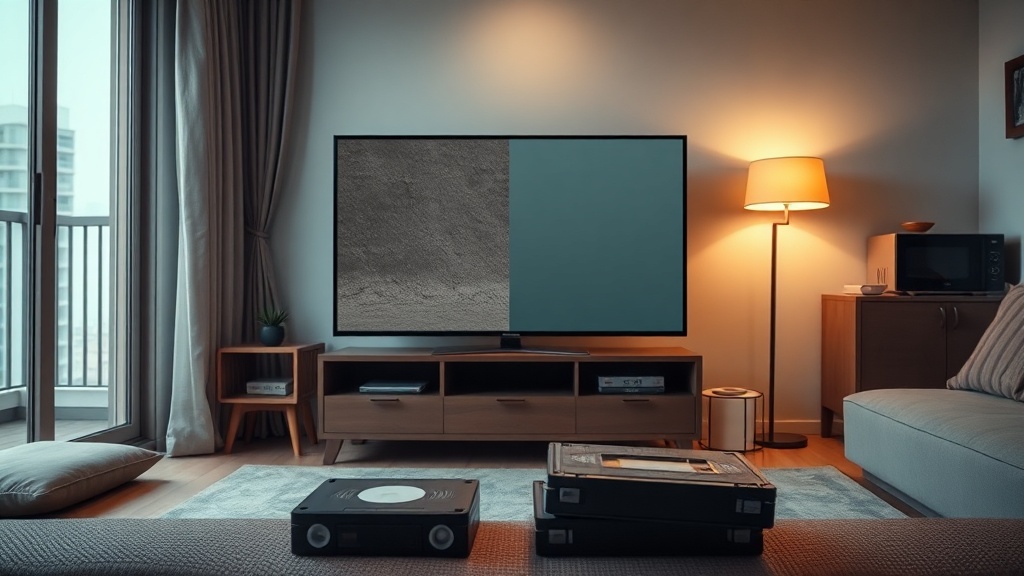
Social ripple effects
It can increase intergenerational dialogue.
AI restoration can change how families and communities consume media.
Home media viewing is more than leisure; it reproduces identity and cultural memory.
If restored dramas become shared touchstones, they can foster social value.
However, the shift raises questions about digital inequality and access.
Not all households have high-quality displays or broadband, so equal cultural experiences are not guaranteed.
Educationally, modernized versions of historical media can be useful teaching tools.
Integrations with online learning platforms could turn restored shows into lifelong learning resources.
Policy and institutions
Rules need to be set.
Policy guidance is required for AI-driven editing and long-term preservation of media.
At national and industry levels, frameworks covering copyright, moral rights, and consumer protection should be updated.
If law and ethics lag behind technology, conflicts will grow.
Platform companies should adopt voluntary codes that promote transparency and user choice.
Including civic groups and audience representatives in that process can broaden the consensus.
Practical recommendations
Clear labeling is essential.
Platforms should clearly flag differences between original and restored versions and describe the AI processes applied.
Suggestions include publishing step-by-step logs of the restoration, marking works that have creator approval, and offering viewer controls for restoration intensity.
Options like "Original", "Standard Restore", and "Modernize" would respect viewer preference.
Platforms should also publish technical standards for audio and video quality to prevent over-processing that degrades authenticity.
These measures help build trust and encourage continued investment in archival restoration.
Conclusion
We must discuss both potential and responsibility.
AI-based restoration offers big opportunities to preserve and reintroduce cultural heritage, but it brings responsibilities around authenticity, rights, and transparency.
The core issue is not the technology itself but how it is applied.
Transparent procedures, rights-holder consent, and user choice maximize positive outcomes.
Samsung's All-in-One AI channel is an experimental stage.
Viewers should watch critically to see if it protects cultural value while opening new viewing experiences.
Will you accept an AI-restored drama as the same work, or will you treat it as a new interpretation?
