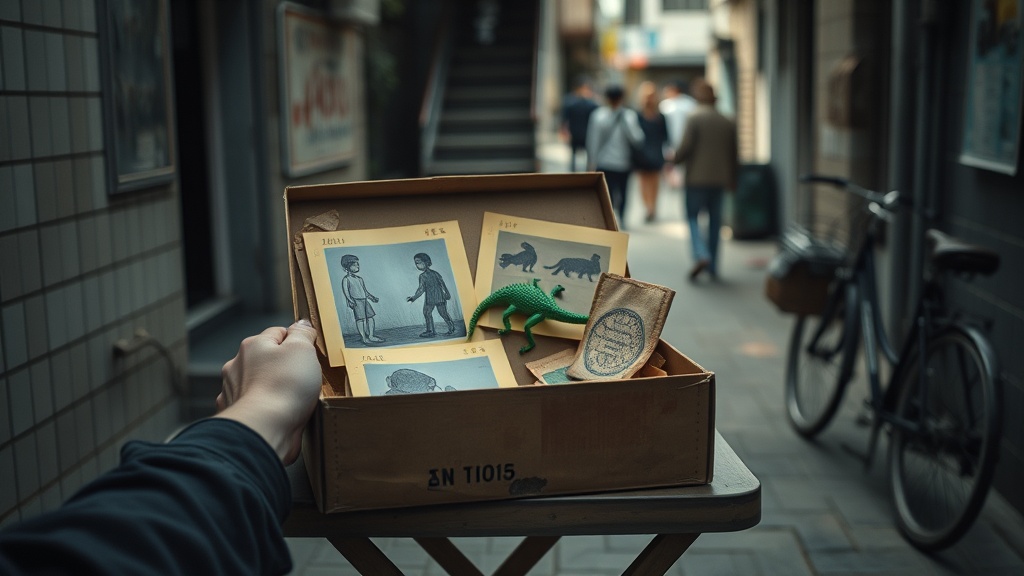
The film excavates hidden histories and power plays to restore marginalized voices.
It persuasively argues that facing truth is the first step toward reconciliation.
Audiences are asked to hold the film’s social weight between laughter and tension.
“How can a fable tell the truth?” Zootopia 2’s question
The first film in 2016 posed a straightforward question about bias and prejudice.
However, the 2025 sequel expands that question into deeper layers.
The story widens the city map and attempts to rewrite parts of its history.
Meanwhile, this adventure does more than enlarge a franchise universe.
The movie centers on the erased history of the reptile community.
Events that had remained hidden begin to surface, scene by scene.
At the same time, the filmmakers point to how power can obscure facts and how institutions operate.
On the other hand, this approach pushes beyond typical boundaries for a children’s animated film.
Overview
The sequel’s direction is deliberate.
Zootopia 2 broadens the worldbuilding.
Judy and Nick investigate a secret tied to the city’s 100th-anniversary celebration.
Along the way, the film uncovers the historical exclusion and repression of reptiles.
The story delivers heavy themes through humor and rhetorical devices.

Historical context
The past does not disappear by itself.
If the first film focused on individual bias and personal change, the sequel shifts attention to institutions and history.
This signals a move from a simple moral lesson to a study of social structures.
The directors extend the fable so the reptiles’ exclusion reads as a metaphor for real-world marginalized groups.
Central authorities are shown attempting to cover incidents, while traces of those events survive in art, records, and oral memory.
The film insists we face the past.
That insistence asks viewers to accept a kind of historical responsibility.
However, responsibility is not limited to remembering.
Narrative and symbolism
The symbolism is deliberate.
The city’s layout and the social tiers between species act like a miniature of real societies.
The reptiles’ exclusion evokes the silences imposed on sidelined groups in actual history.
The film uses maps, timelines, and commemorations as set pieces to dramatize the politics of memory.
On the other hand, it also probes how reconciliation and reconstruction might be possible.
Prisms of support and criticism — why opinions split
Zootopia 2’s questions are not simple.
The film addresses public memory and institutional accountability, and it touches viewers’ political sensitivities.
As a result, proponents and critics form distinct camps.
The sections below analyze each side with examples and reasoning.
Support
This film is necessary, supporters say.
Proponents argue the movie has strong educational value.
They emphasize its potential use in classrooms to promote diversity and historical awareness.
Supporters see Zootopia 2 as restoring marginalized voices and encouraging civic ethics.
They also praise the deeper character arcs and richer worldbuilding for increasing viewer engagement and guiding audiences through complex questions.
For example, several schools and family discussion programs have used the film to teach how discrimination works and how institutions can perpetuate it.
Meanwhile, educators note the film’s usefulness as a bridge for conversations between children and adults.
"Children have a right to learn about history and ethics."
This argument frames the film’s questions as invitations to social reflection, not just emotional reactions.
Criticism
Critics say the film is too heavy-handed.
They argue Zootopia 2 delivers its message too directly.
Given its young audience, critics worry the political weight and narrative complexity may cause confusion.
Specifically, simplified portrayals of conflict could unintentionally reinforce stereotypes rather than dismantle them.
Another complaint concerns pacing: some viewers report the plot moves quickly and leaves insufficient time to absorb the historical claims.
Instances cited include audience feedback from screenings where children left with fragmentary understandings without guided discussion.
Critics contend the filmmakers packaged adult themes as family entertainment without enough scaffolding.
Practical concerns
There are worries about social fragmentation.
Some fear the movie could deepen political divides in real life.
If a group perceives itself as the target of the film’s metaphor, it may feel wounded and react defensively.
Conversely, overpoliticizing the film can obscure its artistic achievements.
Studios must balance intent and reception carefully.
Researchers should examine regional and cultural differences in response.
Sensitivity to local histories will affect how audiences read the film.
Online debate and fan response
The fandom reaction is layered.
Many applaud the expanded world and the film’s social themes.
However, some fans push back that the sequel departs from the original’s tone.
This tension often springs from the gap between expectation and outcome.
On social platforms, scenes prompt intense interpretive debates.
One camp praises the film’s courage; another critiques perceived message overload.
Either way, the conversation shows the film has become more than entertainment: it is a forum for public debate.
Fan art and community commentary reframe key scenes and generate new discourse.
That creative response helps keep the film alive and offers a space for collective learning.
Policy and institutional perspective
The film asks questions of institutions.
Policy makers and educators might use the movie as a prompt to review curricula.
The film’s questions could move beyond post-screening debate into formal education and public forums.
That shift has the potential to spur changes in cultural policy and schooling.
On the other hand, the film might be misread as an attempt to set a single historical standard, so institutional responses must be thoughtful.
Public bodies should create forums that include diverse voices.
Conclusion
Zootopia 2 is more than a sequel.
The film attempts to recover history and challenge power while restoring marginalized voices.
It insists that facing truth is the starting point for reconciliation.
Ultimately, the audience’s work is to keep asking questions.
The key is balance.
When artistic storytelling and educational aims are carefully aligned, a film can serve a broader public good.
How will you read this sequel?