Paul Kim's year-end solo concert "Pauliday" felt like a comma at the end of the year — a small pause made of songs and shared feeling.
It ran four times: December 6–7 and 13–14, 2025, at Sejong University Daeyang Hall in Seoul (a university concert hall).
Across about 150 minutes and 27 songs, the show mixed a ballad-heavy emotional core with moments of performance and levity.
The audience responded across generations, finding comfort and connection at the close of the year.
"A year-end pause served in song"
Overview
It was designed as a year-end pause.
The title "Pauliday" — a blend of Paul and holiday — signals the concept plainly: a personal, restful set of shows meant to offer comfort and empathy through music.
The concert foregrounded vocal-driven feeling and direct communication with the audience as a year-end type of performance.
The official schedule listed four performances on December 6–7 and 13–14, 2025, at Sejong University Daeyang Hall.
Over roughly 150 minutes the program covered 27 songs, anchored in ballads but mixed with a few performance elements to add variety.

Structure and features
The show centered on feeling and communication.
Quiet ballads formed the backbone, with moments of humor and staged movement placed to invite audience participation.
Above all, Paul Kim's steady vocal control increased trust in the live delivery, and the song order matched typical year-end moods, which drew large positive responses.
The setlist's mix of delicate ballad phrasing and modest variation was the program's key strength.
The concert included brighter, rhythmic variations and some simple dance moments as well as straight ballads.
These choices created stage variety. However, some fans saw them as a departure from the familiar image they expect from Paul Kim.
Costume and staging were aligned with each song's emotional arc, making the show feel like a deliberately orchestrated audience experience.
Where it sits historically
It presented a new face for year-end stages.
Pauliday can be read as a strategic move: using a year-end solo run to strengthen Paul Kim's artist brand.
The title and staging were tailored to match the seasonal demand for reflective, comforting entertainment.
Year-end solo concerts are an important touchpoint for artists to meet fans and exchange emotion directly.
Some media suggested Paul Kim could become a fresh symbol of year-end shows.
However, such a claim depends on complex factors: box office performance, whether the concept is repeated over time, and how fans accept the evolution.
Arguments in favor
The vocal ability is undeniable.
On stage Paul Kim delivered consistently, with emotional performance that drew audience empathy.
His careful phrasing and tone were the concert's core.
The performance offered emotional consolation and met the year-end need for comfort.
First, musical quality can be praised.
Press and audience reactions commonly noted a stable live performance and mature interpretation of songs.
That reception supports his standing as a reliable live artist in the popular music market.
Second, the year-end concept fit the season.
Year-end concerts tend to be times of reflection and consolation; a show that aims for emotional connection is a natural fit.
Pauliday's name alone suggested rest and empathy, and the stage mostly maintained that tone.
Third, signs pointed to broad appeal.
Reports that couples, families, and friend groups filled seats suggest the repertoire was widely accessible.
Mixing ballads with a few light performance moments helped welcome a broad audience.
Fourth, there is a branding upside.
By building a recurring year-end concert identity, an artist can gain advantages for future tours, merchandise, and media exposure.
In other words, the event could be a step toward long-term artist branding rather than a one-off.
Arguments against
Innovation was limited.
Some critics said the concert did not stray far from the typical year-end emotional show format.
This critique springs from expectations for creative programming that breaks the mold.
The question remains whether artistic authenticity goes beyond commercial event production.
First, the concept's novelty has limits.
Although the planning leveraged year-end sentiment, the format resembled many existing seasonal concerts.
That similarity prompted comments about a lack of freshness from certain reviewers and audience members.
Second, creative choices carry risk.
For an artist known for ballads, pushing into dance or bold styling is a double-edged sword.
These moves may draw new listeners but could also jar core fans who expect a quieter, emotional performance.
Third, there is concern about commercialization.
If year-end shows become tools primarily for branding and revenue, repeated formats, merchandise, and packaged experiences could trigger authenticity debates.
This is fundamentally a tension between short-term gains and long-term artistic identity.
Fourth, possible mismatch with fan expectations.
Many of Paul Kim's followers tend to favor calm ballads and steady emotional delivery.
Image shifts can disappoint some fans and might affect fandom cohesion if not managed carefully.
Risks and root causes
It sits at a crossroads of strategic choices.
Pauliday emerged where artist strategy meets market demand — and that intersection produces both opportunity and concern.
Balancing artistic expansion with fan expectations will be crucial going forward.
From a strategy angle, Paul Kim used the year-end season to amplify his brand.
The Pauliday name and the emotional programming extended his audience-facing emotional touchpoints.
This aligns with how year-end concerts function in pop markets: fan contact, revenue, and media visibility.
From a market context, year-end shows are valuable for ticket sales and press attention.
That dynamic shaped the show's design and makes commercial elements unsurprising.
Still, the main challenge will be maintaining artistic identity while satisfying commercial needs.
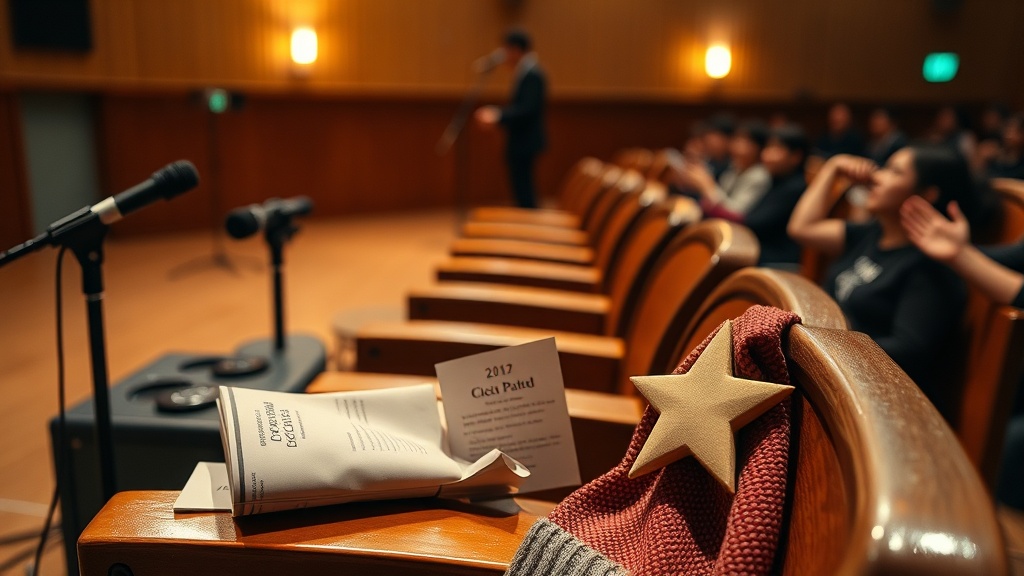
Audience makeup and reaction
The crowd spanned generations.
Couples, families, and groups of friends filled the hall, suggesting the repertoire had wide appeal.
Reports even noted parents attending with children, which points to a welcoming atmosphere.
Audience response was generally warm, though some attempts divided opinion.
Online reactions showed a spectrum.
Positive comments praised vocal delivery, emotional communication, and the completeness of stagecraft. On the other hand, critics questioned the novelty of the planning and raised concerns about commercial emphasis.
Practical concerns — such as a singer's health and vocal care — also appeared occasionally in commentary.
Summary and conclusion
Separate facts from interpretation.
Fact: Paul Kim held Pauliday in four shows at Sejong University Daeyang Hall in December 2025, and media coverage was largely favorable.
Interpretation: The concerts stuck to the "year-end pause" concept while also testing some image expansion.
Pauliday stands as an example of trying to brand a year-end concert series.
In conclusion, the shows achieved positive musical results and connected with audiences emotionally.
At the same time, repetition of the format, commercialization worries, and potential gaps with fan expectations are issues that deserve careful management.
How Paul Kim balances expansion with his established image will shape the long-term value of this brand move.
How do you see Pauliday's attempt to expand and change?
