This decision followed a comprehensive assessment of the suspect's age, how the incident unfolded, and the public reaction.
The law and public policy sometimes prioritize correction and education over punishment for juvenile offenders.
However, debate over equal treatment under the law continues because the suspect is a public figure in the entertainment industry.
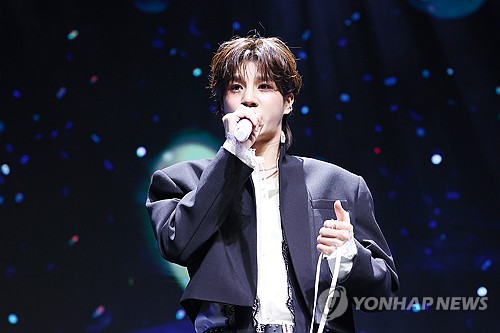
“Prosecution avoided, but the argument remains”
The core of the case.
Jung Dong-won, a singer born in 2007, was investigated for driving a car without a license when he was underage.
After reviewing the facts, prosecutors issued a suspended prosecution (a decision not to indict), so he will not stand trial.
Suspended prosecution is a form of non-indictment where the alleged facts are recognized but prosecution is deferred.
Prosecutors said they weighed the suspect's age, any prior record, how the act occurred, and whether anyone was harmed.
Looking at law and policy.
Under Korea's road traffic law, a driving license cannot be issued to anyone under age 18, so unlicensed driving is a clear violation.
Nevertheless, criminal policy often allows educational measures first for juvenile first-time offenders.
Prosecutorial discretion to suspend prosecution can differ case by case, which feeds fairness concerns.
Facts summarized.
Jung Dong-won was about 16 at the time of the incident and therefore below the legal driving age.
He was investigated for unlicensed driving while practicing driving, and he previously received a suspended prosecution for unlicensed motorcycle riding.
Also, footage related to the incident was leaked and used in a blackmail attempt; the suspect in that blackmail has been arrested and is facing trial.
Arguments supporting the decision.
First, being a juvenile and a first-time offender is an important mitigating factor.
Moreover, insisting only on punitive criminal measures risks losing an opportunity for correction and growth.
Prosecutors can pair suspended prosecution with educational programs, measures to prevent recurrence, and community service.
In juveniles, decisions should consider social reintegration and potential for maturity.
In practice, many legal professionals favor an educational approach for youth offenses.
Suspended prosecution is often seen not as leniency but as a welfare-oriented way to reduce reoffending through supervision and training.
For example, juvenile protection orders or correctional programs can help change behavior.
Also, when no victim was harmed and genuine remorse is shown, some argue that a full criminal trial may be excessive.
The opposing view.
Unlicensed driving is a serious offense because it endangers other people's lives and safety.
Therefore, some argue that public figures should not receive exceptions and must face the law like anyone else.
If a suspended prosecution appears to be special treatment for a celebrity, public trust in the legal system could suffer.
The fact that video footage of unlicensed driving was used to threaten the singer magnified the case's social impact.
Critics say that a mere warning or classroom training is insufficient to restore public awareness of the risks of unlicensed driving.
They insist that criminal penalties can send a stronger social message about road safety and legal compliance.
Calls for equal treatment before the law are strong and persistent.
Public reaction.
Among fans, understanding and support coexist.
Many fans appeal for leniency, trusting Jung's remorse and belief in his potential to grow.
Yet broader public opinion often presses for strict enforcement of the law.
Some say that public figures carry influence and therefore should face heavier responsibility.
Online debates have focused on fairness and the scope of legal and ethical responsibility.
Some people demand comparisons with past cases to check consistency; others warn against overly punitive approaches toward juveniles.
Legal community perspective.
Within the prosecution, discretion is recognized as necessary because each case presents unique factors.
Still, prosecutors should compare similar cases to maintain fairness and public confidence.
To prevent misuse of suspended prosecution, transparent explanations and follow-up education programs are essential.
Traffic safety experts weigh in.
Unlicensed driving is not merely a legal violation; it is a public safety issue.
Experts call for stronger education and prevention campaigns aimed at teenagers to reduce unlicensed driving.
They also recommend tailored safety programs for groups with public influence, such as entertainers.
Policy discussions include reassessing the practical limits of licensing age and driver education curricula.
Preventive measures could strengthen family and school roles and add online safety training to reach more young people.
The goal is a coherent system linking licensing, education, and enforcement to produce safer outcomes.
Comparing other cases.
Past rulings show suspended prosecution or non-indictment for juvenile first-time offenders in similar cases.
However, outcomes vary widely depending on whether harm occurred, whether there were repeated offenses, and whether the offender is a public figure.
Those differences reflect prosecutorial discretion and the need to consider individual circumstances.
Therefore, calls for reform emphasize clearer, more consistent standards—such as progressive penalties for repeat unlicensed driving—to reduce unpredictability.
Assessing the risk of repeat offenses.
Some question whether a suspended prosecution is enough to deter future wrongdoing.
Education can be more effective than punishment, but only if it is well designed and paired with monitoring.
Risk of reoffending depends on personal remorse, the surrounding social environment, and availability of support systems.
Education alone may fall short; systematic supervision and psychological support should accompany it.
Ethical considerations.
A public figure's actions often serve as examples for others.
Thus, ethical responsibility and legal consequences are both important and must be balanced carefully.
Youth mistakes can be part of growing up, but they should not endanger others.
Society needs both corrective education and institutional accountability to address misconduct by minors who have public influence.
Policy recommendations.
First, strengthen practical, age-appropriate driver safety education for teenagers.
Second, make the criteria and follow-up measures for suspended prosecution more transparent.
Third, introduce tailored ethics and safety training for public figures and other influential groups.
Conclusion.
The Jung Dong-won case sits at the intersection of law, policy, ethics, and public expectation.
Prosecutors' decision to suspend prosecution can be seen as a context-specific choice, but questions about fairness and transparency remain.
The danger of unlicensed driving must not be downplayed, and prevention should go hand in hand with education.
In sum, this case has sparked broader social debate beyond whether to punish one person.
It highlights the need for consistent standards and effective education for young drivers going forward.
How do you judge this decision?
