Classified as country pop and featuring singer Kwon Jin-ah, the collaboration has raised fans' expectations.
The song is a slice-of-life, comfort piece about the small reliefs after work and toasting with coworkers.
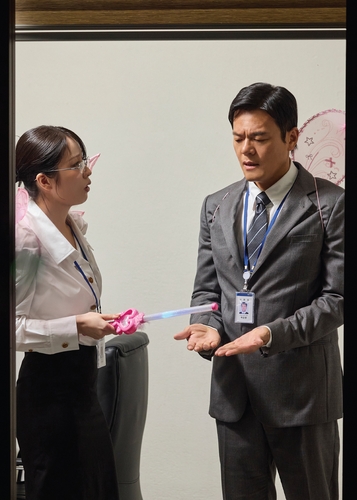
The music video promises humor and warmth by showing the artist in a series of character roles.
Why does Park Jin-young's 'Happy Hour' sing to our evenings?
Release details.
The release date is November 5, 2025.
Park Jin-young (often known as JYP), who has produced and written hits for decades, wrote and co-composed this track himself, which has fueled pre-release interest.
The song is billed as country pop — a blend of country music elements with pop songwriting (country pop: country-style instruments with pop hooks).
Kwon Jin-ah, a well-known Korean singer-songwriter with a delicate, expressive tone, is credited as a featured vocalist, adding color to the lead voice.
Key summary: release date, genre, and featured vocalist are the main facts.
The title track will also serve as the headline song for a December concert called "HAPPY HOUR."
The single is scheduled to drop at 6 p.m. Korea Standard Time (KST) — that is 6:00 p.m. KST on November 5, which corresponds to 4:00 a.m. Eastern Standard Time (EST) on the same date in the United States.
A teaser for the music video has already attracted attention for its realistic vignettes and the artist's playful character changes.
Meaning and context.
The song gives voice to the small relief that comes after clocking out.
Park Jin-young draws on decades of experience as a performer and producer to express the theme of "everyday comfort" in musical terms.
Choosing country pop is notable because that style has not been widely used in mainstream Korean pop; the choice creates a subtle tension between familiarity and novelty.
Point: the core concept is celebrating the modest joys that come after work.
The music video amplifies that reality by showing the artist playing roles such as a boss and part-time worker, adding relatable details.
Park Jin-young reaches out to listeners with a song that soothes everyday fatigue.
This highlighted line emphasizes the emotional center the song aims to deliver.
Positive reactions.
Fans are enthusiastic.
First, the return to front-stage work after a period focused on producing has generated strong fandom anticipation.
Park Jin-young has been a top figure in Korean pop for more than 30 years, so any new release from him is newsworthy.
Second, the collaboration with Kwon Jin-ah raises curiosity about vocal chemistry; many expect her subtle tonal shading to complement the warm, acoustic textures of country pop.
Musically, there are clear reasons for optimism.
When acoustic, country-influenced instrumentation meets pop melody, it can produce a sound well suited to evening moods — the kind of gentle emotional space that fits a commute playlist.
Historically, the Korean pop market has shown openness to genre experiments, which increases the chance that this stylistic turn will be received as fresh rather than alien.
From a cultural angle, the song uses everyday keywords like "work" and "leaving the office" to aim for wide empathy.
In an era when stress and burnout are common conversational points, a modestly consoling song can create a quick emotional connection.
Online fan communities and social media already show strong engagement with the teaser, and many expect lively stage performances when the concert season arrives.
Many fans hope the single will reaffirm Park Jin-young's onstage energy and artistic depth.
That hope reflects not only nostalgia but also a desire to see the artist still evolving.
Criticism and concerns.
There are also reservations.
First, questions about broad appeal arise.
Country pop is not a dominant style in the local mainstream, so some listeners may find the sound unfamiliar at first.
While novelty can be an asset, it can also raise the bar for chart success if a large portion of the audience does not connect immediately.
Second, elevated expectations can backfire.
Given Park Jin-young's long list of past hits, the new song will be compared to earlier work, and critics may accuse it of lacking freshness if it leans too much on familiar formulas.
Such comparisons can shape reputation both before and after release.
Third, the visual tone of the music video may create dissonance.
The teaser's comedic character switches might strike some as too light for the song's emotional promise, risking a dilution of sincerity.
On the other hand, humor can also make the message more accessible; the final effect depends on execution.
Fourth, the chemistry of the collaboration is not guaranteed.
Kwon Jin-ah's voice could enhance the arrangement, but if vocal blending feels uneven, the duet might undermine the track's impact.
Only the full release will clarify whether the partnership strengthens or weakens the overall impression.
A genre experiment does not automatically equal success.
This sentence underlines the uncertainty that comes with trying new directions.
Online reaction and precedents.
Responses are mixed but lively.
Many social media posts praise the teaser's realism and humor, while deeper discussion about musical quality is expected only after the track becomes available.
There are precedents where local artists tried new genres and experienced varied outcomes — sometimes commercial hits followed, sometimes the work earned longer-term critical appreciation instead of immediate chart success.
These examples suggest that a stylistic shift can pay off artistically even if it does not top the charts right away.
Marketing and performance strategy have become more important than ever for securing mass attention.
Releasing the title track in close connection with a December concert is a strategic move: the live shows can amplify interest and create moments that streaming alone cannot.

Debate and interpretation.
Supporters and skeptics coexist.
Proponents see the song as a comforting anthem.
By sharing small, everyday tiredness, the music can foster emotional solidarity among workers and commuters — people who often seek short, relatable relief in popular culture.
In that light, the track is more than entertainment; it aims to be a social balm.
Opponents question genre fit and visual consistency.
They wonder whether a country-pop approach will resonate deeply with domestic tastes and whether a broadly comedic video might undercut emotional authenticity.
Given these competing claims, the final verdict will hinge on the recording itself and on how the song is realized live: arrangement, vocal mix, and stage concept will determine its long-term standing.
Conclusion.
In short, "Happy Hour" is a new single that aims to sing about the small consolations after work.
The country-pop choice and Kwon Jin-ah's participation create both excitement and caution among listeners.
The musical arrangement and stage realization after release will decide the song's fate.
The ultimate judgment awaits the time people spend listening.
After you hear it, consider: what did it make you feel?
