The Seoul Record Fair rallies LPs and record culture into a public celebration.
Fans, producers, and sellers gather in one place at what has become the country's flagship record event.
Limited editions and rare pressings draw collectors from across the region.
However, questions about commercialization, scale, and long-term sustainability are growing.
Seoul Record Fair: festival or market prize?
Overview
The event feels immediate and tactile.
The Seoul Record Fair centers on LPs (vinyl records) and the material pleasures of music.
It began in 2011 in Sinsa-dong at Platoon Kunsthalle (a small arts venue) and has expanded in venue and scope since.
A defining feature is the direct participation of independent labels and individual sellers.
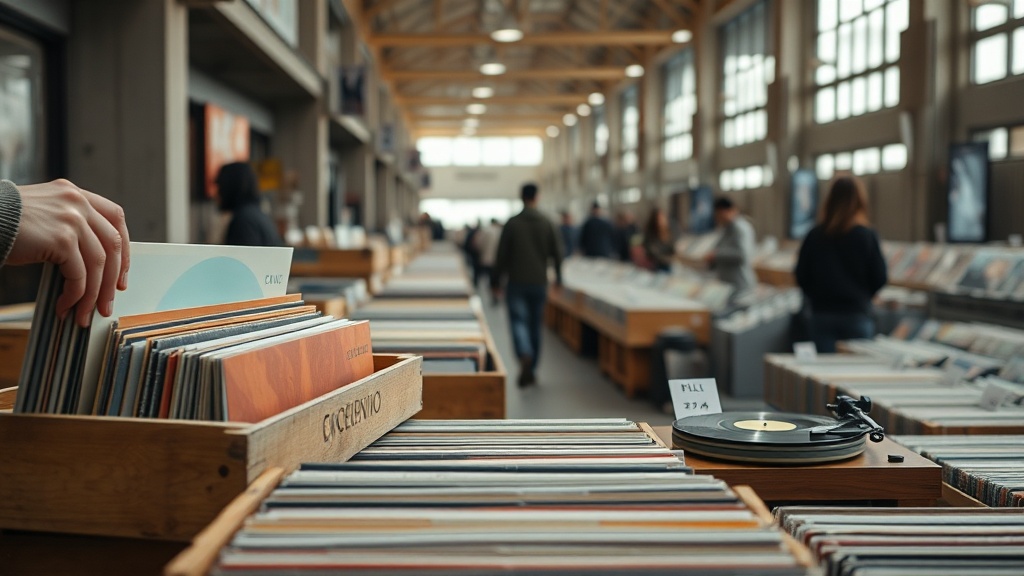
Visitors can see, handle, and buy limited runs, rare pressings, and new releases in person.
Performances, showcases, and panel talks run alongside the stalls to heighten the festival atmosphere.
It is a meeting point where collectors and emerging artists form networks.
Meanwhile, organizers and participants raise questions about how the event is run and whether it can remain viable.
Expectations and worries repeat in different voices across the site.

History
The fair began as a modest spark of passion.
The first edition in November 2011 at Platoon Kunsthalle was small but symbolic.
At first the public response was limited, yet a devoted core of enthusiasts kept it alive.
Growth required moving between venues, and as scale rose so did planning challenges.
"A small spark made by a few fans grew into a wider cultural ripple."
After early years that included AX Korea and returns to Platoon, the fair later used larger sites such as Culture Station Seoul 284 and the Oil Tank Culture Park, expanding its footprint.
Special releases and fair-exclusive pressings developed into a recognizable subculture.
International exchanges with similar events abroad gradually increased attention beyond Korea.
On the other hand, some argue the close, intimate feeling of the early fairs has partially faded as the event grew.
Arguments for the fair
LPs are carriers of feeling as much as sound.
Supporters say the fair has helped revive record culture.
As physical objects, LPs offer more than listening; they deliver the pleasure of ownership.
For independent and one-person labels, the fair is a direct route to distribution and exposure.
Revenue and networking at the fair strengthen the independent music ecosystem.
Collectors gain cultural and economic recognition through the scarcity of limited editions.
Meanwhile, performances and showcases give artists direct support for creative activity.
Thus, proponents contend the event is more than commerce; it has become a cultural festival that widens interest in records and music.
Arguments against the fair
The problem, critics say, is imbalance.
They worry that growth and commercialization erode the fair's original values.
A focus on limited and rare pressings can reduce access for general audiences.
Holding the event mainly in Seoul raises participation barriers for people living in other regions.
"When music becomes only a commodity, its cultural depth can shrink."
There are also environmental concerns in vinyl production, including plastic use and manufacturing footprints.
As the fair scales up, small labels and emerging artists may lose visibility to bigger sellers and speculative collectors.
Some treat rare LPs as investments, which can drive prices up and encourage speculative trading.
On the whole, these trends risk narrowing cultural diversity.
Analyzing the divide
Finding balance is the key challenge.
Proponents emphasize cultural spread and ecosystem strengthening.
Opponents stress accessibility, sustainability, and preservation of core values.
Both positions contain valid concerns, and pragmatic solutions are required.
But event design should carefully separate simple commercialism from festival purpose.
Practical measures include regional tours, preferential spaces for small labels, and greener production options.
Also, the fair should expand educational programs to emphasize cultural exchange rather than mere transactions.
Additionally, organizers need to review tax and reporting rules, copyright fairness, and distribution transparency.
Such reforms would strengthen the fair's integrity and long-term viability.
Concrete case comparisons
There are clear success stories with limited editions.
Some small labels released fair-exclusive pressings and reported improved finances.
That income funded future productions and showed independent music can grow with self-sustaining cycles.
Rare LPs concentrated in few hands diminished community-level availability.
These examples offer complementary lessons.
One case illustrates healthy circulation in the ecosystem; the other warns of polarization risks.
Event managers should set clear participation criteria and support measures, while adopting environmental and ethical standards.
Operations and policy suggestions
Here are practical proposals.
First, run regional touring exhibitions or partner programs outside Seoul.
Second, reserve booths for small labels and implement fair fees to protect margins.
Third, promote eco-friendly vinyl options and publish production impact data openly.
Organizers should help vendors understand tax obligations and maintain equal distribution channels.
These steps would improve trust in operations and protect cultural value.
They would also lower economic barriers so more creators can participate over the long term.
In time, such changes would strengthen the fair's reputation nationally and internationally.
Conclusion
The Seoul Record Fair remains an important cultural platform.
Community value formed around LPs and records is not easily replaced.
Yet commercialization, geographic imbalance, and environmental issues require attention.
When organizers focus on sustainability and diversity, the fair will become richer and more resilient.
In short, the Seoul Record Fair is both a cultural asset and a market space.
With better operations and policy support, the independent music ecosystem can grow more stably.
How would you like to see this festival change in the years ahead?
