President Lee Jae-myung and First Lady Kim Hye-kyung’s appearance on a Chuseok variety show has become a central topic in public debate.
Recent polls show 48% of respondents viewed the appearance positively, a modest plurality.
The appearance was framed as a mix of K-food promotion and an effort to build rapport with everyday viewers.
At the same time, concerns about dignity, timing, and political polarization have also surfaced.
Presidential couple on variety TV: warmth or warning?
The purpose of the appearance is clear.
Their guest spot on JTBC’s popular cooking-variety show Please Take Care of My Refrigerator (냉장고를 부탁해) during the 2025 Chuseok holiday carried political and social significance beyond a simple broadcast event. Filming took place at the end of September, and public reaction spread quickly after the appearance was announced.
Polls put positive evaluations at 48% and negative evaluations at 35%.
First, the office of the president carries public duties and symbolic meaning. Second, modern media environments have diversified how politicians engage with the public, from press conferences to entertainment formats.
However, questions about maintaining the dignity of the head of state and choosing the right timing remain sensitive. As a result, this appearance will be recorded as a new case in political communication rather than a mere TV moment.

Viewer response is divided.
Polls show strong approval among progressives, Democratic Party supporters, and residents of Gwangju and the Jeolla provinces in the southwest. In particular, 74% of self-identified progressives and 81% of Democratic Party backers responded positively.
Meanwhile, centrists also registered a positive view at 48%, ahead of negative responses (37%).
On the other hand, conservative voters, supporters of the People Power Party (conservative), and people in the Daegu–North Gyeongsang area were more likely to react negatively. Conservative respondents reported 56% negative views, and 75% of People Power Party supporters answered unfavorably, revealing a stark split.
These regional and ideological differences can be read as signs of political polarization.
Moreover, online communities and social media offered mixed commentary. Positive posts highlighted the president’s human side and the potential boost to K-food. Conversely, negative posts focused on the timing and questions of appropriate conduct for the head of state.
Supporters say: a chance for dialogue and national branding.
Supporters view the couple’s appearance as an expansion of political communication. Modern politics values accessibility and familiarity, and variety programming can build empathy with voters. For instance, past cases have shown short-term upticks in approval ratings after similar media appearances.
Additionally, the segment offered an organic platform to showcase K-food and Korean culture. Given the global traction of Korean culture (K-culture), public-facing promotion by the presidential office could bolster the national brand abroad.
Furthermore, reaching diverse age groups and social classes through entertainment may improve receptivity to policy messages.
For comparison, other countries have seen leaders gain soft power from informal media exposure. Meanwhile, media familiarity can translate into stronger support among centrists and younger voters. Thus, advocates argue the strategic value of this appearance is plausible.
Familiarity with leaders can be the starting point for political trust.
This sentence summarizes the core of the supportive argument.
Opponents say: dignity and responsibility matter.
Opponents argue the appearance risks undermining the dignity and authority expected of a head of state. They stressed that the timing was inappropriate, especially when administrative or national issues demand attention. For example, simultaneous problems such as a government IT outage triggered questions about political accountability.
They also warned the move could deepen political division. As polls already show, responses differ significantly by region and ideology, and that split could intensify social friction.
In other words, what increases popularity in one group may reduce trust in another.
Some surveys even reported a majority saying the appearance was inappropriate. Skeptical observers also questioned the lasting value of national-brand promotion, noting that benefits may be temporary or limited to certain age groups, which raises concerns about cost-effectiveness.
Ultimately, critics base their case on the risk that public duties, symbolic roles, and social cohesion might be compromised.
Policy and political implications
The event calls for a strategic rethink of how politicians use media. Policymakers and communicators must balance traditional notions of dignity with new modes of outreach. Policy guidance should clarify the boundary between official duties and personal or promotional appearances.
Meanwhile, in electoral and governing contexts, the impact of media exposure should be reassessed. Short-term shifts in approval are possible after high-profile appearances, but long-term trust depends more on policy outcomes and institutional stability.
Therefore, the effects of this variety appearance should be interpreted through institutional norms and measurable evaluation, not just immediate ratings.
Without social consensus, similar future instances are likely to spur renewed controversy. Thus, lawmakers, media organizations, and civil society should discuss transparent guidelines that can be independently verified.
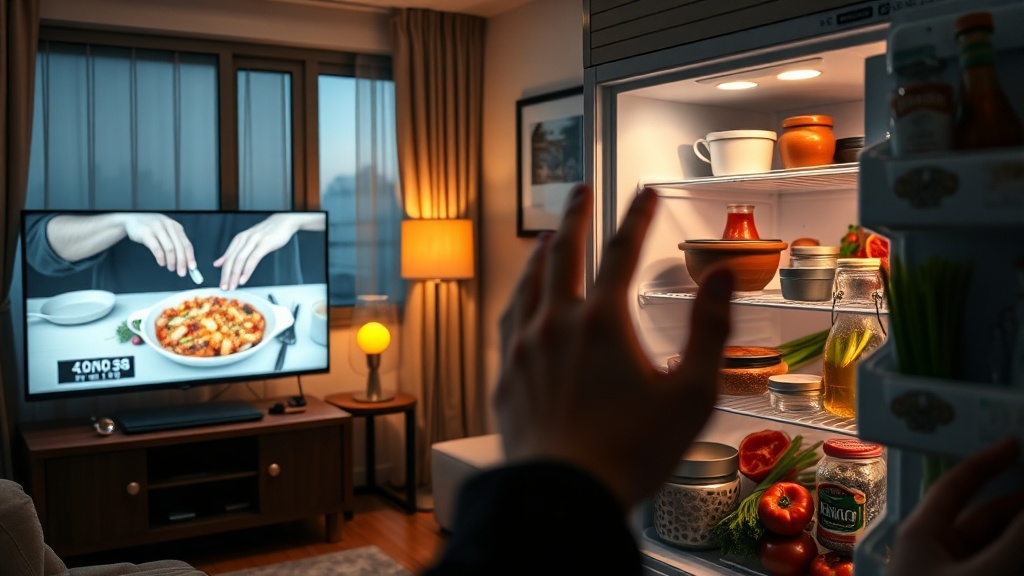
Internet opinion and media framing
Online, the debate escalated quickly. Positive posts emphasized the president’s relatable side and possible gains for national image. Negative posts stressed poor timing and a perceived avoidance of political responsibility.
Notably, conservative forums showed strong pushback and sometimes framed the appearance in politically charged terms. By contrast, progressive spaces circulated welcoming reactions. In this way, online media reconstructed the episode within partisan frames.
Therefore, when measuring media impact, one should go beyond raw numbers and examine emotional mobilization and framing effects. In short, public opinion is shaped not only by poll figures but by how messages are presented and received.
Conclusion and recommendations
In summary, the presidential couple’s variety show appearance can strengthen public communication and national branding while carrying risks related to dignity, timing, and polarization.
Positive effects appeared in consolidated support among base voters and parts of the center, while negative reactions were concentrated among conservatives and in certain regions. Accordingly, future appearances require clear objectives, timing checks, and explicit statements of public responsibility ahead of time.
Policy recommendations include: first, establish procedures and criteria for appearances by public figures; second, publish transparent measurements of promotional impact and cost–benefit analyses; third, strengthen public forums to build social consensus.
Politics relies on trust.
Consequently, any media strategy should aim to restore trust and promote social cohesion.
Ultimately, this case raises the question of priorities where politics and media meet. With multiple viewpoints in play, readers are invited to form their own judgment.
How do you evaluate the presidential couple’s variety show appearance?
