The release arrives roughly three months after their previous activity and is led by double lead singles: "DO IT" and "신선놀음" (romanized as "Sinsennol-eum," a title that evokes the idea of the traditional Korean "seon" — a reclusive sage or hermit associated with spiritual retreat).
The album frames a "modern-day seon" concept that seeks to crack open fear and offer a path toward healing.
Broad activity and message rollout are scheduled through the year-end.
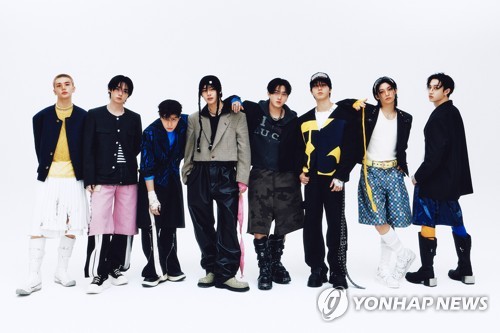
Stray Kids, 'DO IT' comeback: Is speed an opportunity or a burden?
Quick snapshot of the comeback
The new album is coming.
Stray Kids will make their comeback on November 21, 2025, with DO IT.
That timing comes only about three months after their last round of promotions.
The double-lead-single setup and a "do it if we say we will" spirit are central to this cycle.
The group aims to reinforce both musical message and performance. However, trailers, the tracklist, and images in the booklet sharpen the concept.
As a result, attention from the fandom and the general public has intensified quickly.
Where they started
They have been building momentum since 2017.
Stray Kids are an eight-member boy group signed to JYP Entertainment — one of South Korea's major pop labels — known for strong performances and a catalogue heavy on self-produced songs. (This means members contribute significantly to writing and producing.)
The group's in-house production work has allowed each release to reflect the members' identities and messages.
That history suggests DO IT is meant as more than a simple comeback: it is a continuation of an ongoing narrative.
"We tell stories through notes and rhythm every time." — an internal remark describing the group's creative philosophy
The comment reminds us the members see themselves as creators shaping a larger story.
Meanwhile, a repeated rapid release schedule raises real risks: short recovery windows can drain physical and mental resources.
History in popular music constantly asks how to balance artistic output with the sustainability of the people who make it.
There are reasons for the acceleration.
Fast comebacks are strategic.
Advocates offer three main arguments.
First, in a fiercely competitive global K-pop market, maintaining visibility is essential.
Second, modern fandoms expect steady new songs and performance content; meeting that demand is a core part of fan management.
Third, from a musical perspective, a double lead-single approach broadens the group's range.
One song can aim for broader mainstream appeal while the other explores experimental or narrative-driven territory — a way to target both casual listeners and devoted fans.
In the music business, short-term exposure gains can translate into long-term growth.
This album shows the group's "we do it" attitude alongside musical confidence.
From the standpoint of creative output and messaging, faster cycles can create more opportunities to write and try new things.
Multiple promotion windows also restore and expand revenue streams across touring, broadcasting, and streaming.
From a financial view, frequent activity accelerates return on investment for both the company and the artists.
Swift comebacks can leverage capital more rapidly.
They also allow the monetization of a growing international fanbase.
The burden on members
The strain is real.
Critics point to risks for members' health and long-term sustainability.
Short recovery times and packed schedules increase the chance of physical injury.
"People's health matters more than money and schedules." — a concern voiced within the industry
Mental fatigue is subtler but no less serious.
Continuous public activity reduces privacy and time for personal recovery.
That can degrade creative quality and eventually harm musical outcomes.
Performance expectations from fans and media become a constant pressure on individuals.
Excessive scheduling can cause artists to lose balance in long-term career planning.
Over time, maintaining a sustainable pace may be more important than short-term gains.
Members' health and creative longevity should be preserved together.
The critical stance is not merely a call for rest; it presses for industry-wide improvements in working conditions and ethical accountability.
That broadens the conversation to labor practices in entertainment.
In short, there is a trade-off between pace and quality of life.
Addressing it requires schedule management by companies, tempered expectations from fans, and institutional protections.
Simple calendar tweaks alone are unlikely to fix the deeper issues.
Reactions are mixed.
Fan responses are layered.
Excitement surged after teaser releases, but worries are widespread as well.
In particular, the "modern-day seon" concept in the trailer has invited active interpretation.
Positive responses highlight the concept's healing message.
Fans say they find comfort in the lyrics and performances, praising the group's authenticity.
They argue a fast comeback can actually amplify the group's momentum and creative energy.
On the other hand, some fans and netizens voice anxiety about packed schedules.
Health issues move from private worries to public concern.
As a result, debate about promotion methods continues within the fandom.
Some critics also say the concept is abstract enough to confuse casual listeners.
That suggests additional explanatory content could help broader audiences connect.
Thus, PR and communication strategy are crucial to the comeback's success.
Market logic is at work.
The comeback reflects strategic calculation.
Behind it lies market logic: K-pop thrives on rapid updates and steady exposure across global platforms.
"Lose exposure and you risk losing the market." — an industry strategist
From the company side, frequent comebacks diversify revenue streams.
Album sales, streaming, merchandise, and live appearances work together to balance the books.
Yet this model risks externalizing the physical and psychological costs onto artists.
At a policy level, the need for artist protections resurfaces.
Practical measures might include mandated minimum rest periods, health insurance coverage, and access to psychological counseling.
At the same time, a mature response from fan communities would help.
Without a balance between market needs and human welfare, sustainable growth is difficult.
Business strategies must go hand in hand with protection of human capital.
Sustainability built by artists, companies, and fans together is the ultimate solution.
Conclusion: Asking for balance
In short, Stray Kids' DO IT comeback matters both for music and for fans.
It showcases musical experimentation and fan service, but the short turnaround and intense promotional schedule raise reasonable concerns about the members' health and long-term sustainability.
Therefore, this comeback becomes a test case for balancing artistic achievement with artist protection.
Policy suggestions include setting clear rest standards, strengthening psychological and medical support, and careful fan communication design.
At the same time, companies should transparently explain financial plans and investment timing to help fans understand the business context.
Finally, music is inseparable from the lives of its creators.
We should demand not only output, but also the structures that allow artists to sustain that output responsibly.
Sustainable music activity begins with choices that put people at the center.
What do you think about Stray Kids' rapid comeback strategy?
Your perspective can help this discussion mature.
