Key Takeaways
Stray Kids turned a new world tour stop at Tokyo’s National Stadium into a major proof point, drawing attention for scale as much as for the venue itself. The 140,000-attendance figure signals serious market power, but it does not by itself tell us how strong the concert experience was. The real question is whether a spectacle of this size is being judged for its crowd count or for what it actually gave that crowd.
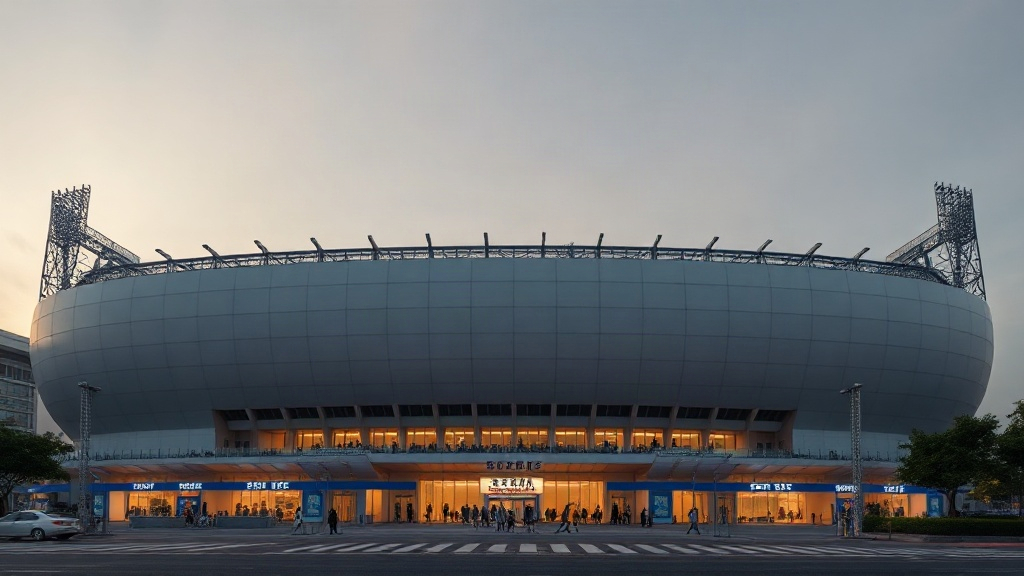
Stray Kids, the South Korean boy group known internationally under that name, held a new world tour concert called Run It at Tokyo National Stadium, also identified as MUFG STADIUM, on the 29th and 30th of last month. The reported attendance over the two days was 140,000.
For an American reader, the key context is simple: this was not a routine arena stop, but a stadium-level show in one of the biggest live-performance settings in Japan. That makes the number impressive on its face, but it also invites a more useful question than “how big was it?”—what, exactly, does a stadium crowd prove?

Tokyo National Stadium is part of the message
Venue matters here because Tokyo National Stadium is not just another place to play. Filling that kind of space for two days says something about stature, not only about ticket demand. In pop music, the room you can command often becomes part of the story you are telling about yourself.
The fact that this was billed as a new world tour also matters. A one-off event can be big without changing much; a tour stop can imply momentum. In that sense, Tokyo becomes less a destination than a benchmark for where Stray Kids stand right now.
140,000 is a real achievement, but only a partial one
There is no reason to underplay 140,000. On any sensible reading, that is a major draw, and in a market as large and competitive as Japan, it reflects established pull. For a K-pop act, that kind of turnout is not a trivial headline number; it is evidence of scale that many artists never reach.
Still, big numbers can make criticism lazy if we let them do all the talking. Attendance alone does not reveal how the seats were arranged, how the audience was distributed across the two days, or how the concert felt moment to moment. The bigger point is that a crowd count measures demand, not necessarily depth.
Big tours create both leverage and pressure
Large stadium shows do two things at once. They confirm momentum, but they also raise the bar on everything behind the scenes: staging, endurance, logistics, and the expectations of fans who paid for a memorable night. The larger the venue, the easier it is to celebrate the scale and the harder it becomes to hide any weakness in execution.
That is why the fairest way to read this performance is not to flatten it into either pure triumph or pure marketing. Stray Kids clearly demonstrated unusual drawing power in Japan, and that matters. But the real standard for a show like this is simpler and tougher: not how many people were there, but whether the scale translated into a concert worth remembering.
