Dolly Parton’s death at 80 closes the book on one of country music’s most recognizable names. The bigger issue is not just grief, but how quickly a public figure can be turned into a symbol that crowds out the fuller human story.
The right way to remember her is to separate what is confirmed from what is tribute, and to treat “legend” as a judgment, not a substitute for fact.
Dolly Parton, long known as one of American country music’s defining figures and often called the “Queen of Country,” has died at 80. The news is more than a celebrity obituary; it is a reminder of how a culture remembers the faces it uses to stand for an entire genre.
In moments like this, admiration and accuracy tend to arrive together. They should not be confused with each other. Parton’s name deserves to be spoken with respect, but the respect should not blur into mythmaking.

When one artist becomes the face of a genre
“Queen of Country” is not just a decorative nickname. It signals that one performer occupied such a visible place in the public imagination that the genre itself seemed to arrive wearing her name.
That is part of why Parton’s death lands so heavily. A musician’s life can become larger than biography when the public has long treated that person as shorthand for an entire style of American music.
There is something genuinely powerful in that. When a generation remembers its music through one voice, one image, or one name, culture has done what culture does best: it turns sound into shared memory.
But a symbol can flatten a life
Death notices are brutally compressed forms. They give us the age, the date, and a title that carries emotional weight, then leave the rest of a life outside the frame.
That is the danger here. “Queen” conveys admiration, but it also risks freezing a person into a single, polished role. The more complete the symbol becomes, the easier it is for the actual person to disappear behind it.
Parton’s passing may invite reverence, but reverence has to stay inside the limits of what is known. Grief does not give us permission to treat every judgment as settled fact.
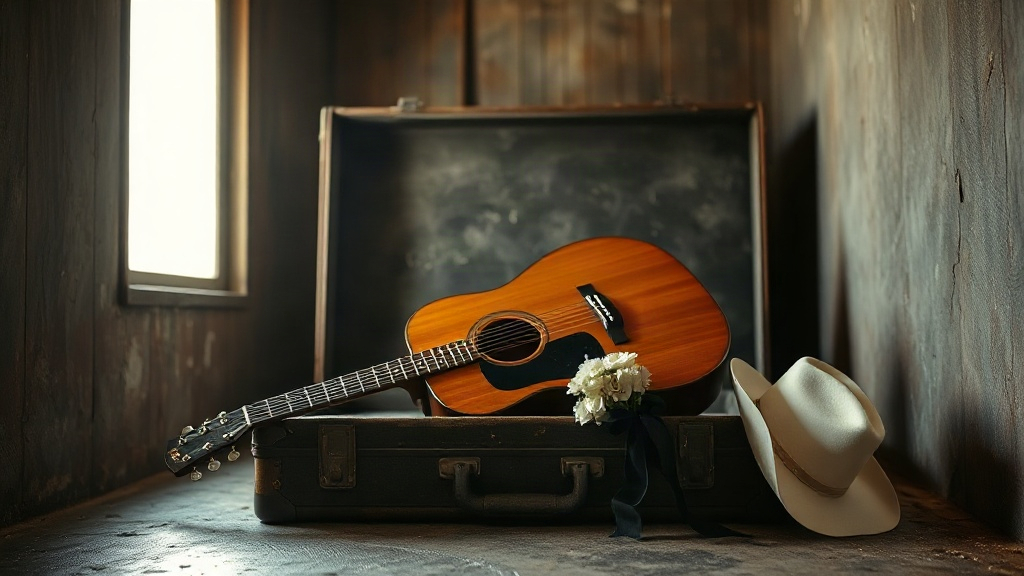
The standard is simple: separate tribute from fact
The clearest way to read this news is to keep two things apart. One is the confirmed fact that Dolly Parton, the country music icon, has died at 80. The other is the cultural meaning people attach to that fact.
That distinction matters because it keeps tribute honest. You can say that a major figure has left a deep mark without pretending that the obituary itself proves the size of the void, the shape of the legacy, or the future of the genre.
Parton is worth remembering precisely because her name became so large. But the healthiest memory is not the most inflated one; it is the one that can still tell the difference between documented life and earned legend.
So the real test is not whether we grieve loudly enough. It is whether we can honor a symbolic figure without letting the symbol replace the facts that made the figure real.
