One million subscribers is now a social phenomenon.
An actress's transformation shows the face of the influencer era.
Glitz draws attention, but authenticity raises bigger questions.
Influence may be visible in numbers, but responsibility weighs more than any count.
This moment also reveals how consumption and recognition feed each other.
One million subscribers is not just a milestone.
That number carries the power to change taste, move shopping habits, and shape the mood around us.
When news breaks that actor Kim Hye-soo has transformed into a glamorous influencer, it is more than a style switch. It reflects the spirit of the age.
In the past, TV networks and magazines held the public's attention. Today, one personal account can shift the conversation.
The change happened quickly, but it did not feel loud.
People no longer look only at big institutions.
A person's tone, clothes, meals, workout habits, and even tiny daily choices can become content.
An influencer is not just someone selling ads. The role now includes selling a lifestyle and, more deeply, selling trust.
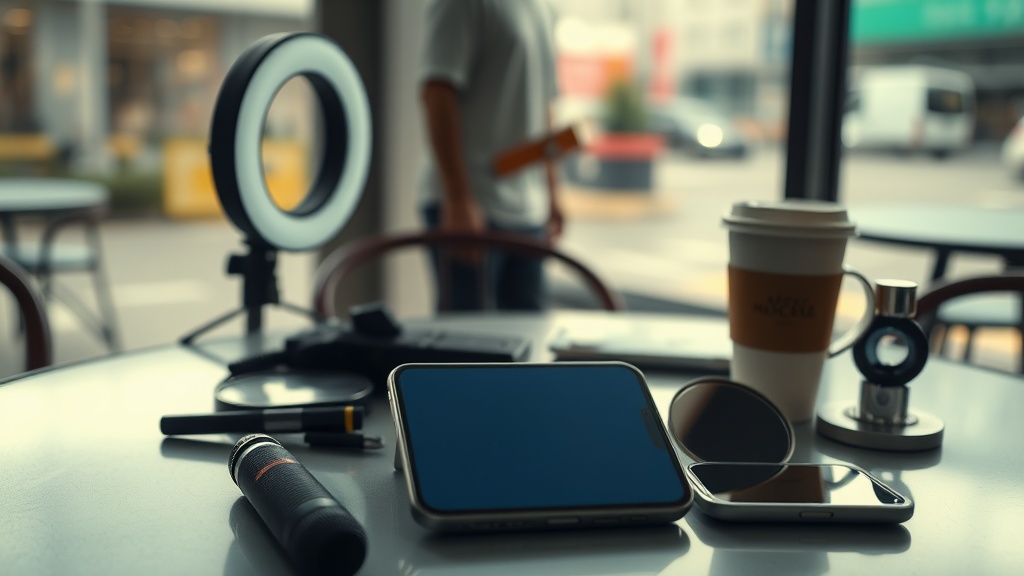
Why an actor becoming an influencer feels normal
What feels normal can also be a warning.
When an actor starts to look like an influencer, the line between performance and personality begins to blur.
That blur says a lot about how media power has changed.
Once, the work made the star. Now, the person itself can become the product.
This is not only an entertainment story.
An office worker, a small business owner, a student applying to college, and even a teenager can become a small-scale influencer the moment they go online.
Likes, comments, views, and subscribers have become a new scorecard, shaping life choices the way a household budget shapes spending decisions.
Even the word success has been broken apart and redefined across money, health, relationships, and work.
The heart of influencer culture is not exposure alone. It is influence.
Influence creates fame, and fame drives consumption.
That is why content, products, people, and brands get tangled so easily.
So this transformation is not just a flashy concept for its own sake.
We still need to ask not only what is being shown, but why it is being shown.
Images are consumed quickly, but the values behind them can last much longer.
Is it freedom, or a more subtle pressure
The case for it is strong.
Influencer culture gives more people a stage.
In the past, TV networks and major agencies controlled most of the voice. Now, individuals can build and share their own story.
That widens freedom of expression, opens more career paths, and connects creativity with business opportunities.
In an age where image and taste matter so much, personal style can become a real advantage.
One person shares workout routines and health habits, another documents meals and checkups, and another blends travel with fashion to build a new audience.
Along the way, digital skills and content creation become practical tools.
For younger people, that can mean learning abilities that will stay useful for years.
In simple terms, influencer culture gives individuals a louder voice and lowers the barriers to entry.
It also expands the economy.
Advertising, sponsorships, platform revenue, and brand partnerships create new money flows and, for some, stable work.
It gives attention to voices that used to sit outside the mainstream.
When everyday subjects like parenting, elder care, insurance, and retirement are shared as public content, more kinds of experience enter the conversation.
However, the positive story is only half of it.
The bigger the glamour, the bigger the comparison.
Beautiful homes, nice cars, perfect skin, polished work lives, fast debt payoff, and flawless retirement plans all appear on someone else's screen.
A stage that looks free can create even stronger pressure.
For younger people, that pressure can run deep.
They begin to watch other people's reactions before they think about their own path.
They buy for appearance before they buy for need.
Credit card balances grow. Debt builds. Saving and restraint fall behind.
In the end, glamour becomes an opportunity for some, but a mirror of lack for others.
That is why the case for influencer culture has to stay grounded.
It is true that this world expands personal expression and economic options, but that does not automatically create a healthy life.
The real question is not whether to use the platform, but how to manage its power and keep it inside a moral frame.
Without that, freedom turns into exhaustion, and choice turns into compulsion.
What lasts longer than fame
The concerns are real too.
Influencer culture keeps producing appearance, speed, stimulation, and exaggeration.
People grow used to polished scenes instead of real ones, and they begin to trust the mood of a performance more than the texture of everyday life.
The problem is not just changing taste. It is the weakening of judgment itself.
Take a piece of content about healthy eating.
It may look helpful on the surface, but it may also contain a paid promotion or quietly sell one body type as if it were the standard.
The same is true for discussions of real estate, investing, insurance, or loans.
These topics are easy to consume online, but the advice inside them may not fit a person's actual situation.
The more information people see, the harder it can be to separate what is useful from what is merely confident.
Young people are especially exposed to this structure.
When they are deciding on college, jobs, marriage, family, or children, the image of success on screen can crowd out reality.
If someone is slower than others, it can feel like failure.
If someone has less, it can feel like worth is missing.
That kind of comparison raises stress, drains energy, and can even wear down basic habits like moderation and self-control.
Influencer culture can also blur ethics.
The line between advertising and recommendation becomes hard to see, and the line between sincerity and performance gets fuzzy.
Some people present honesty as a brand, but even that honesty may be carefully staged.
So the public thinks it is trusting a person, when in many cases it is really trusting an edited scene.
In that sense, the critical view is not simple resistance to change.
It is a question about what should come first.
What matters more: what is seen by many, or what can endure?
What matters more: what sells fast, or what helps people live?
Short bursts of attention are attractive, but lasting value is much harder.
In traditional work, labor, responsibility, and stability mattered most.
By contrast, influencer culture rewards rapid growth and instant reaction.
That difference has clear upsides and downsides.
However, if society leans too hard in this direction, quieter work like education, caregiving, treatment, and management can lose value.
We should not forget that the jobs behind the spotlight are often the ones holding real life together.
So the warning is not that influencers themselves are bad.
It is that a culture built on influence can turn people into products too quickly.
The power to resist that is not speed, but restraint. Not popularity, but standards. Not exposure, but discernment.
The brighter the spotlight, the more we need something solid underneath it.
In the end, it is still about people
The conclusion is not simple.
One million subscribers clearly signals a new era.
It shows a society where personal influence is larger, where image has become economic value, and where glamour can be mistaken for skill.
But a big number is not the same thing as truth.
Influencer culture creates new opportunities.
At the same time, it also amplifies comparison, exaggeration, consumption, and fatigue.
So the real issue is not whether to cheer for or reject the platform.
It is what kind of life people choose to build inside it.
Whether the topic is housing, savings, education, or health, the core of life is less about the scene being shown and more about the habits being kept.
What people need to remember is simple.
Influence can be huge and fast, but the human center can be fragile.
That is why we should look longer at the weight of an honest life than at the shine of a subscriber count.
What influence are you following right now?
