It is his first major run after releasing his second studio album, and expectations among fans are high.
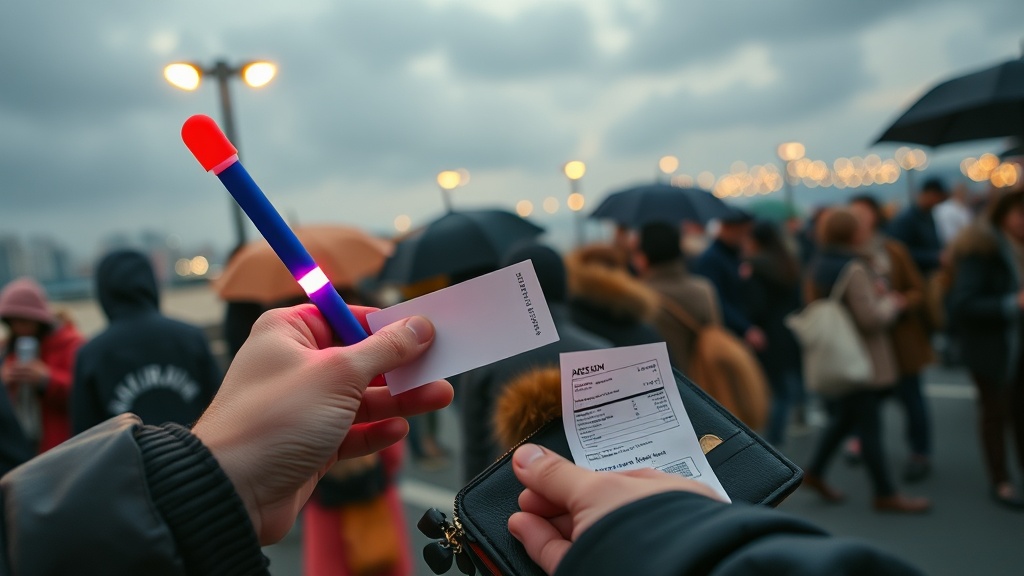
Lightstick mapping (synchronized fan light displays) and staged flash mobs increase the show's immersion.
Ticket availability, cost, and safety remain major points of debate among attendees.
Is Im Young-woong reworking the hero story onstage?
The tour's opening
The opening night has arrived.On October 17, 2025, Im Young-woong officially launched the "IM HERO" tour at Songdo Convensia in Incheon.
This tour serves as a milestone: his first large-scale itinerary following the second studio album, and it is being read as a moment of musical transition and growth.
The stage mixes original tracks, fresh arrangements, and visual design to offer fans a new concert experience.
Across cities, lightstick mapping helps shape a unified atmosphere inside arenas.
The schedule runs through major cities including Incheon, Daegu, Seoul, Gwangju, and Daejeon.
Some stops include multiple shows so regional fans have more chances to attend.
However, more dates and added stops also bring pressure on ticket supply and personal costs.
The tour promoter says the plan aims to reach as many fans as possible.
Signs of musical change
The music feels more mature.Since his debut, Im Young-woong has maintained steady popular support. Meanwhile, this tour moves beyond a greatest-hits format to present rearranged songs and new staging choices.
Therefore, concertgoers can directly sense his musical development in person.
Stage design intentionally blends audience participation with visual effects, widening the narrative of each song.
At the same time, careful live-sound dynamics and a full band arrangement raise the show's overall polish.
On the other hand, a large tour requires complex technical setups—rigging, lights, and sound must be tightly coordinated.
Producers tailor some elements to local venues, but that can produce variation between shows.
Technical glitches or differences in execution can create both strong applause and disappointed expectations among fans.
Still, many view the tour as a creative risk that places his repertoire in fresh contexts.
Voices in favor
Fans are enthusiastic.First, praise around the music itself has been loud.
Listeners note that since the second album, Im Young-woong has broadened his tonal palette and expressive range.
Particularly, new live arrangements with band interplay give familiar hits fresh life.
Additionally, lightstick mapping and choreographed fan moments amplify participation and raise energy in the venue.
Second, the tour's regional spread is seen as positive for accessibility.
Multiple dates in places like Daegu, Gwangju, and Daejeon increase chances for local audiences to attend without long-distance travel.
That matters for spreading pop culture beyond one city and for supporting local economies.
Concert weekends can boost hotels, restaurants, and transit businesses in host cities.
Third, fan-culture benefits are real.
Flash mobs and synchronized light displays foster cooperation among fan clubs and local communities.
Those collaborations create belonging and a sense of achievement for participants, strengthening the bond between artist and audience.
Online, many fans have posted positive reactions to the tour’s production and setlist choices.

Voices of concern
The problems are practical.Critics point to pragmatic issues.
First is difficulty securing tickets. High demand often leads to near-instant sellouts, leaving many fans feeling shut out.
That scarcity fuels secondary-market resales and multiple bookings, which harm the fan experience.
Additionally, premium packages or add-ons create fairness questions when fans have different financial means.
Second is the cost of attendance.
When travel, lodging, and merchandise are added up, a single concert can be a significant expense.
Young people and lower-income fans may opt out because of these added costs.
Promoters say tiered pricing improves access, but supply-and-demand imbalances remain.
Third are safety and health concerns.
Large crowds still carry risks—post-pandemic infection anxiety persists, and crowd safety (trampling or sudden medical emergencies) is a real worry.
Organizers state they will implement health and emergency plans, but on-the-ground unpredictability can expose gaps.
Questions about crowd flow, emergency response effectiveness, and staff readiness remain under discussion.
Searching for practical balance
Solutions are possible.Both sides raise valid points. Therefore, a balanced approach requires concrete steps.
First, ticket distribution must become more transparent. Reliable booking systems and fair allocation policies can reduce unfair secondary sales.
Second, adding local shows and sensible price tiers helps more fans attend without excessive travel costs.
Meanwhile, safety measures must be strengthened.
Organizers should review venue health protocols and emergency procedures well in advance and train staff thoroughly.
Fans should also receive clear guidance on safety expectations so they can look after their own health and that of others.
Such steps protect the artistic experience while reducing operational risk.
Fans, industry, and wider impact
Concerts connect more than people.IM HERO functions beyond a single show; it becomes a platform for fan and community exchange.
Participatory elements like flash mobs and lightstick mapping expand how fandoms organize and express culture.
Host cities often see short-term economic boosts in hospitality, dining, and transport sectors.
Nevertheless, those benefits may be uneven and can concentrate in certain businesses or neighborhoods.
For the music business, the tour renews debate over commercial success versus artistic integrity.
A successful run strengthens an artist’s brand and generates downstream revenue from records, licensing, and endorsements.
Conversely, excessive commercialization risks diluting musical value. Organizers must balance artistic ambition with commercial planning.
These trade-offs are structural and won’t be resolved overnight. Yet the tour’s cultural footprint may produce longer-term employment and revenue shifts in the live-music ecosystem.
Conclusion and lingering questions
We need balanced solutions.Im Young-woong’s "IM HERO" tour showcases musical growth while exposing real logistical challenges.
The artistic impact moves fans, but ticket inequities, financial burdens, and safety gaps require attention.
The tour’s success will mean more than sold-out dates; it will mean fairness, safety, and regional inclusion.
Accordingly, promoters, venues, fans, and local authorities must work together to find practical, fair solutions.
To conclude, here are the priorities:
First, improve transparency and access in ticketing systems.
Second, strengthen safety protocols and on-site emergency readiness.
Third, design staging and schedules that preserve artistic integrity while broadening regional access.
At this crossroads of expectation and constraint, what would you choose?
